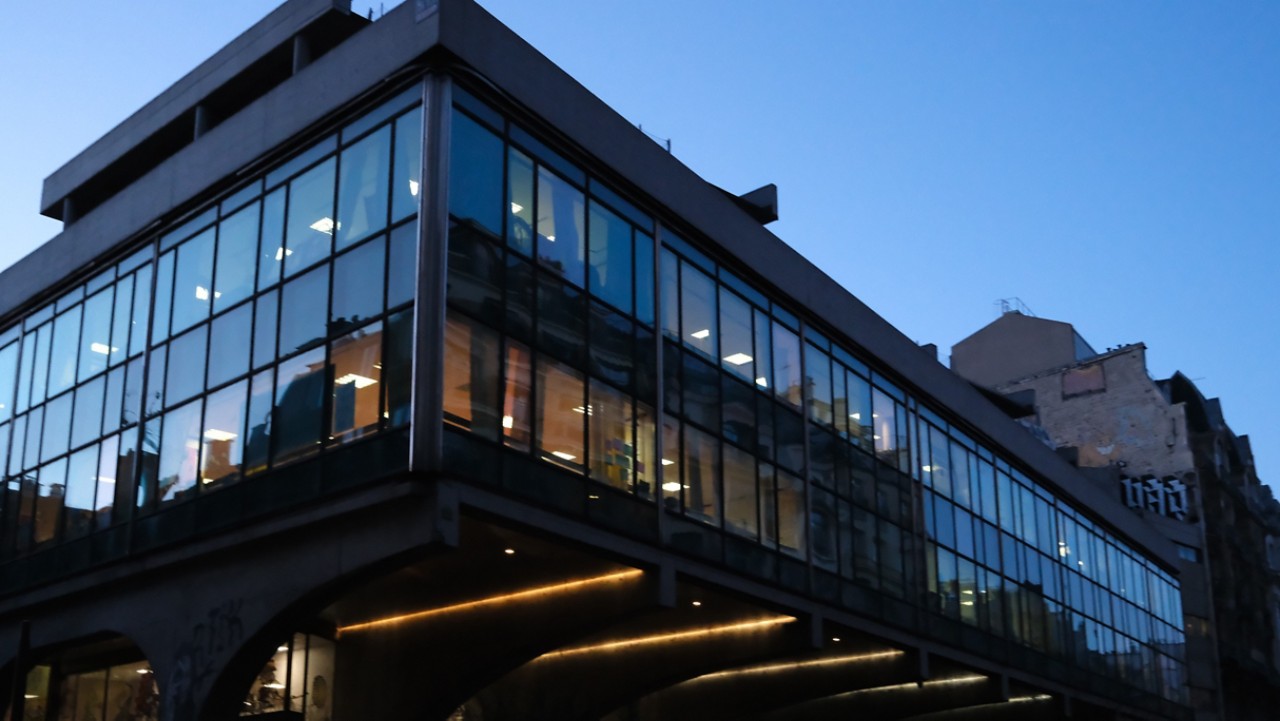

A Tranquil Source of Inspiration: Paris
Paris is a cosmopolitan city of infinite nuance — and, for us as designers, a place of particular resonance. It is a city in constant evolution, where trend and tradition, history and contemporaneity, exist in elegant dialogue. Wherever there is culture, art, and a reverence for aesthetics, there is something to be learned. What follows is my impression of Paris’s urban landscape in 2026.
Design Education as a Source of Freedom
Our visit was shaped by several intentions. First, we met with suppliers for our current projects. We also visited the university to connect with prospective interns. Finally, we explored a number of locations in preparation for a meeting in October, seeking inspiration through a distinctly European lens — not only in design, but in broader cultural thinking.
Our meetings led us across diverse quarters of the city. It was particularly compelling to observe how seamlessly the working methods of each company were interwoven with the fabric of Paris itself. The European mindset — and the character of the city — was palpable in the studios we visited.
The cultural distinctions between Europe and Japan were especially fascinating. They revealed themselves in material choices, techniques, and colour palettes — subtle yet unmistakable trends that we recognised among our suppliers.
Visiting the university proved both refreshing and quietly powerful. The students’ sense of freedom, imagination, and intellectual curiosity brought back memories of my own academic years. Such creative liberty is invaluable. I often wish designers could experience that same spirit of experimentation and openness more frequently in their professional lives.
The development and realisation of ideas within academia differs markedly from industrial reality — particularly in automotive design. Some projects were abstract and not immediately tangible, yet this was precisely what made them compelling. The students’ openness, versatility, and personal expressiveness were striking. Their portfolios ranged from material exploration and textile design to ceramics and highly expressive sculpture — each body of work a clear reflection of individual character.
Japanese Influence on the Parisian Streets
Across many of these creative spaces, I was struck by the prevalence of Japanese design philosophy. Having lived in Japan for several years, I recognise these influences instinctively. Around the Opéra district in particular, entire neighbourhoods feel imbued with Japanese references — from signage and language to conceptual frameworks.
Minimalism, refined furniture design, a deep awareness of materiality, and ceramic traditions were all visible. It was fascinating to witness how profoundly Japanese culture has taken root in Paris — and within the wider European design landscape — both as a source of inspiration and as a quietly integrated element of everyday life.
When Cars Take a Back Seat
My previous visit to Paris was in 2009. Returning nearly seventeen years later, I expected to be reminded of the city’s intensity — the restless energy, the congestion, the sense of compression.
Instead, the contrast was striking.
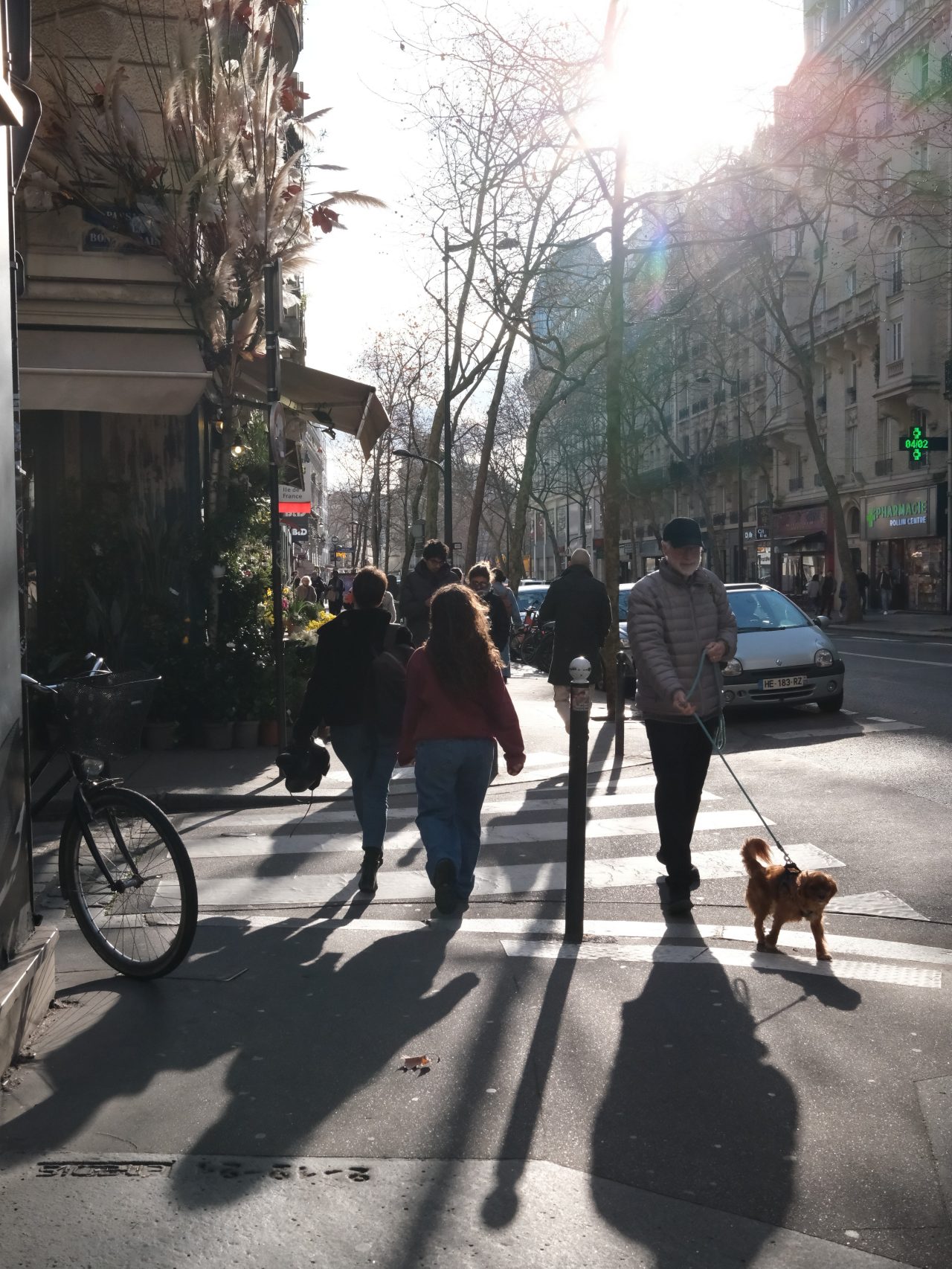
The first sensation I noticed was an unexpected calm. Even in the heart of a global capital, there was a sense of composure. The perpetual motion and noise that once defined the city seemed softened. In recent years, Paris has undergone a considered transformation: expanded cycle lanes, significantly reduced car traffic, and a strengthened public transport network have reshaped the urban experience.
Today, navigating the city without a car is not only possible but effortless. Hybrid vehicles are widespread, reflecting the city’s environmental ambitions. The few cars that remain are largely taxis — many of them Toyota or Lexus models.
I was deeply impressed by how profoundly the quality of life in a major metropolis can shift when cars quite literally take a back seat. The atmosphere felt cleaner, gentler, more human. Despite its scale, Paris now carries an almost village-like sensibility.
This journey revealed to me a Paris defined by diversity, tranquillity, and creative stimulus. It was both enriching and quietly transformative. Wandering through its neighbourhoods — each layered with history and cultural nuance — felt deeply moving.
I returned feeling open, inspired, and creatively re-energised.
Paris remains a city where tradition and history meet modern architecture and contemporary thought in seamless composition. The urban landscape shifts from ancient fortifications and monumental gates to daringly modern structures — and it is precisely this interplay of eras that continues to captivate me.
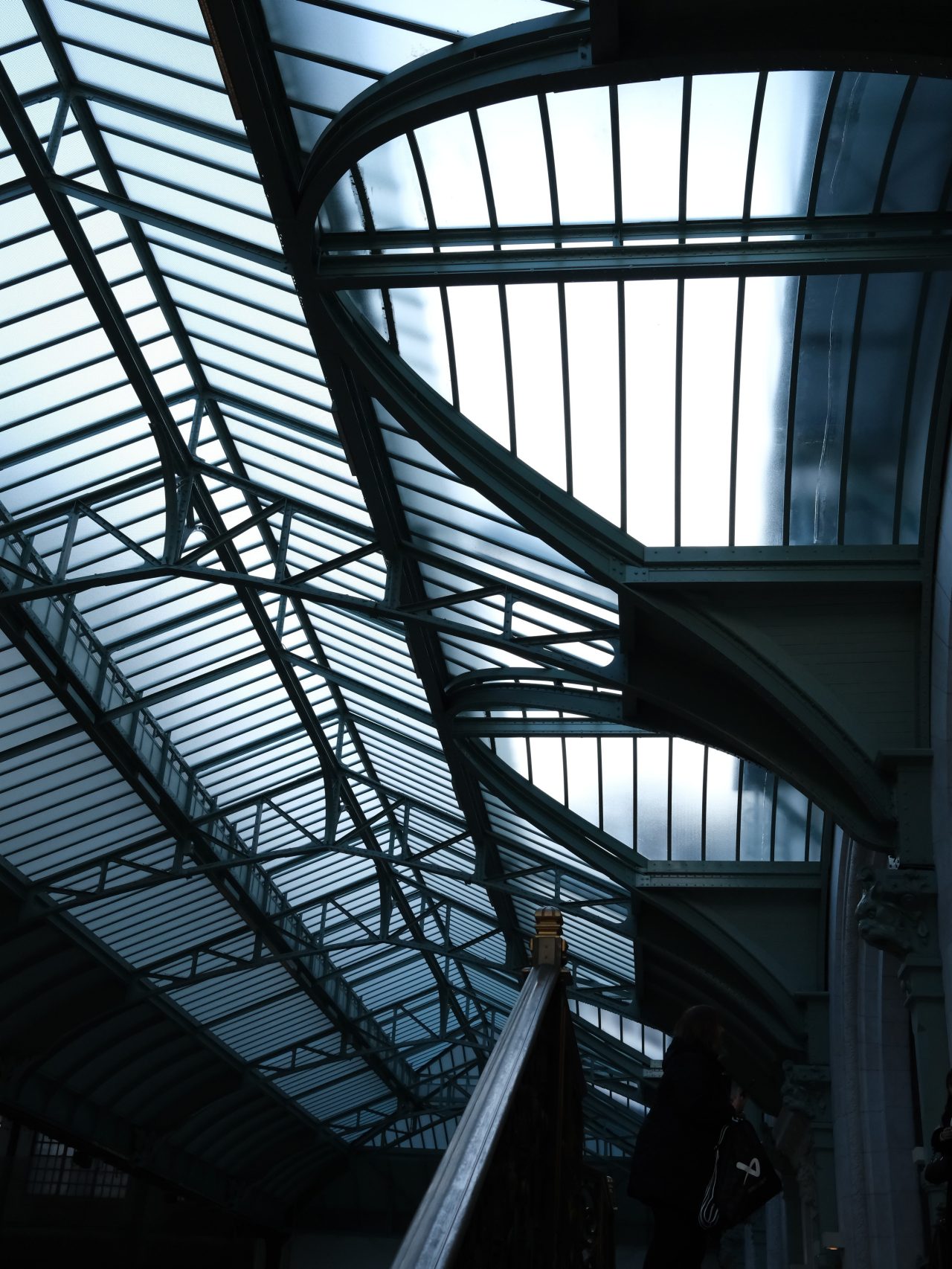
静謐なるインスピレーションの源:パリ
パリは無限のニュアンスを持つ国際都市であり、デザイナーである私たちには特に共鳴する場所だ。トレンドと伝統、歴史と現代性が優雅な対話を交わす、絶え間なく進化する都市である。文化と芸術、そして美への畏敬が存在する場所には、必ず学ぶべき何かがある。以下は、2026年のパリの都市景観に対する私の印象である。
自由の源泉としてのデザイン教育
今回のパリ訪問にはいくつかの目的があった。まず、現在進行中のプロジェクトのサプライヤーとの面談。次に、インターン候補生との接点となる大学訪問。最後に、10月の会議に向け、明確なヨーロッパ的視点を通して、デザインに限らずより広範な文化的思考におけるインスピレーションを求め、複数の場所を探索した。
面談のため、私たちはパリの様々な地区を訪れた。特に興味深かったのは、各社の作業方法がパリそのものの構造にどれほどシームレスに織り込まれているか、ということだ。私たちが訪れたスタジオでは、ヨーロッパ的思考とこの都市の性格が、はっきりと感じられた。
欧州と日本の文化的差異は特に興味深く、それが素材の選択、技法、色彩パレットに顕著に表れていた。サプライヤーにも見られた、微妙だが紛れもない傾向だ。
大学訪問は清々しくも静かな力強さを感じさせるものだった。学生たちの自由な発想、想像力、知的好奇心は、私自身の学生時代を思い出させてくれた。こうした創造的自由には計り知れない価値がある。プロデザイナーたちも、日常の中でより頻繁にこうした実験精神と開放感を味わえたらと、私はよく思う。
学問の場におけるアイデアの展開と実現は、産業の現実 ― 特に自動車デザインにおいて ― とは大きく異なる。抽象的で即座に形にならないプロジェクトもあったが、それこそが彼らの魅力を際立たせていた。学生たちの開放性、多様性、そして個性を表現する力には驚かされた。彼らのポートフォリオは素材探求やテキスタイルデザインから陶芸、表現力豊かな彫刻まで多岐にわたり、それぞれの作品群が明確に各人の個性を映し出していた。
パリの街角に漂う日本の影響
こうした創造的空間の多くで、日本のデザイン哲学が広く浸透していることに気づかされた。数年間日本に住んだ経験から、こうした影響を直感的に認識できる。特にオペラ座周辺では、看板や言語から概念的枠組みに至るまで、街全体が日本の要素に染まっているように感じられた。
ミニマリズム、洗練された家具デザイン、素材への深い意識、陶芸の伝統 ― これらすべてが目に映った。インスピレーションの源として、また日常生活に静かに溶け込んだ要素として、日本文化がパリ、そしてより広範なヨーロッパのデザイン風景にどれほど深く根付いているかを目の当たりにするのは興味深い体験だった。
車が脇役になった街
前回パリを訪れたのは2009年。17年近くを経て再び足を踏み入れると、この街の強烈さ ― 落ち着きのないエネルギー、渋滞、圧迫感 ― を再び思い知らされるだろうと思っていた。
ところが、それは全く正反対だった。
最初に感じたのは、予想外の静けさだ。この世界的首都の中心地でさえ、落ち着きが漂っていた。かつてこの街を象徴していた絶え間ない動きと騒音は、和らいだように感じられた。近年、パリは計画的な変革を遂げてきた。自転車レーンの拡充、自動車交通量の大幅な削減、公共交通網の強化が、都市体験を再構築したのだ。
今や、車なしで街を移動することは可能であるばかりか、容易である。ハイブリッド車が広く普及し、都市の環境保全への意欲を反映している。残るわずかな自動車は主にタクシーで、その多くがトヨタやレクサスのモデルだ。
大都市の生活の質が、文字通り車が脇役になることでこれほどまでに変化しうることに、私は深く感銘を受けた。空気はより清らかで、穏やかで、人間味に満ちていた。その規模にもかかわらず、パリは今や村のような感覚を帯びている。
この旅は、多様性と静けさ、創造的な刺激に彩られたパリを私に示した。それは豊かであり、静かに変容をもたらすものだった。歴史と文化的ニュアンスが重層する街区を彷徨うことは、深く心を揺さぶる体験だった。
帰路につく頃には、心が開放され、インスピレーションに満ち、創造的なエネルギーが再充電されていた。
パリは今もなお、伝統と歴史が現代建築や現代思想とシームレスに融合する都市だ。古代の要塞や記念碑的な門から大胆な現代建築へと移り変わる都市景観 ― まさにこの時代の交錯こそが、私を魅了し続ける理由である。