

Logistics in Africa & its opportunities through AfCFTA (African Continental Free Trade Area) agreement
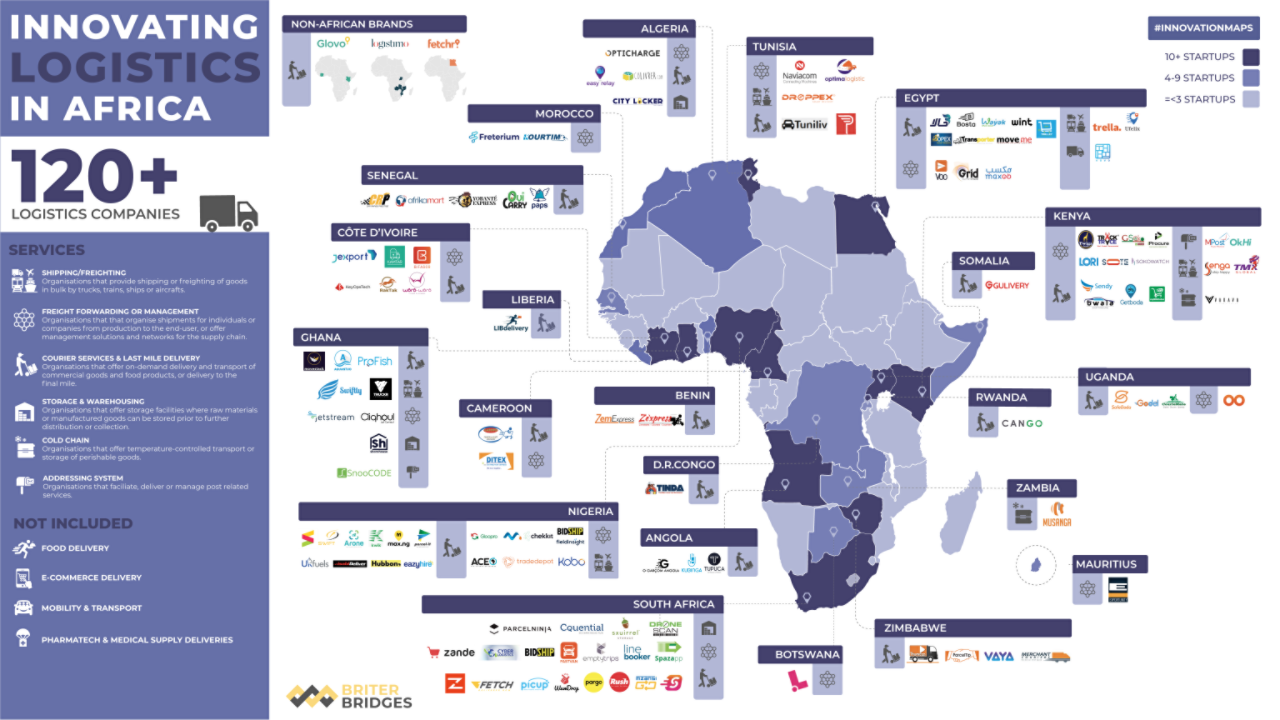
Inadequate transport infrastructure, regulatory hurdles and high costs have been hindered the intra-Africa trade, such as long custom delay or loss of goods due to limited cold chains. Recent trends of digitalization, tech start-ups and more investment in infrastructure, however, are improving the African logistics. Also, the African Continental Free Trade Area (AfCFTA) will promote rapid investment, regulatory changes and import costs reduction.
Trends influencing the future logistics in Africa
1. Digitalization and Automation: Digital technologies such as route optimization, load monitoring, demand prediction, as well as automated logistics systems and warehouses are becoming more common.
2. Rise of tech logistics companies: Infrastructure needs huge investment, and large logistics companies are too expensive. The new tech logistics companies are optimizing existing infrastructure and supply chains and reducing costs.
3. Growing E-commerce and last-mile delivery: The African e-commerce market is expected to surpass 500 million active users by 2025, which urgently requires more reliable and efficient last-mile delivery.
4. B2B-focused startups: B2B logistics are expected to dominate Africa’s logistics. 87% of top African logistics companies focused on B2B solutions.
5. Closing the urban-rural divide: Africa’s population remains predominantly rural. African logistics companies are working to connect rural communities to regional supply chains. Twiga Foods’s platform directly connects farmers with venders, and InspiraFarms uses off-grid solar-powered cold storage for farmers, for example.
AfCFTA and future opportunities – Automotives, Transport & logistics
The complexity of Africa’s logistics derives much from regulatory hurdles because tariffs, customs procedures, and compliance requirements vary widely. The AfCFTA, launched in 2021 as the world’s largest free trade area, is expected to ease these issues and to promote international exports, intra-African trade and FDI.
Four important sectors & five key pillars of AfCFTA:
· Focus sectors to meet local demand with local production are: 1) Automotive; 2) Agriculture and agro-processing; 3) Pharmaceuticals; and 4) Transport and logistics.
· Key strategies include public-private collaboration, investment regulatory frameworks, e-commerce preparedness, inclusive and environmentally sustainable trade.
Key trends and opportunities – Automotive industry
· Trends: The domestic demand is expected to grow due to the increasing disposable income and strong growth of the middle class and rapid urbanization. Currently, imports of used vehicles meet this demand, but domestic production is growing as well.
· Opportunities: AfCFTA will enhance the competitiveness of local assembly and local sourcing. Governments and the private sector will develop automotive regional value chains and improve the investment. Africa is not only an important new market for EVs but also possesses vital raw materials for EVs. Also, Africa is a huge market for motorcycles, with a big potential for electrification and domestic production.
Key trends and opportunities – Transport and logistics
· Trends: The AfCFTA is projected to increase intra-African trade by 28% by 2030. Presently, intra-African exports are mainly transported over land, but maritime trade is projected to increase by nearly 130% by 2030.
· Opportunities: AfCFTA will create huge demand for(digital) logistics, especially in B2B, improve transport services and further closing the urban-rural divide with innovative solutions like cargo drones or inland waterways.
未発達の輸送インフラ、様々な貿易規制とコスト高が、アフリカの物流の効率化と域内貿易の発展を妨げてきた。通関による長期の遅延やコールドチェーン不足による商品の損失など問題山積だが、最近はデジタル化の進歩、ハイテク新興企業の台頭、インフラ投資の拡大などにより、アフリカの物流状況は改善されつつある。加えて、アフリカ大陸自由貿易地域(AfCFTA)による投資の急増、関税や輸入コストの改善が期待される。
アフリカの物流の将来を導くトレンド
1. デジタル化と自動化:ルート最適化、ローディング監視、需要予測などへのデジタル技術の導入や、自動物流システム・自動倉庫が一般化されつつある。
2. ハイテク物流企業の台頭:インフラ改善には巨額の投資が必要となり、大手物流会社はアフリカの企業が利用するには高すぎる。ハイテク新興企業は、既存のインフラとサプライチェーンの最適化やコスト削減で、この需要に応えている。
3. 電子商取引の成長とラストマイル・デリバリー:アフリカのeコマース市場は2025年までに利用者が5億人を突破すると予測されており、信頼性と効率性の高いラストマイル・デリバリーの欠如がB2Cロジスティクスの緊急課題となっている。
4. B2B特化の新興企業:B2Bロジスティクスは短〜中期的にアフリカの物流業界を支配すると予想され、アフリカのトップ物流企業の87%がB2Bに注力している。
5. 都市と農村部の格差解消:アフリカの人口は依然として農村部に多く、アフリカの物流企業は農村部と地域のサプライチェーンをつなぐ取り組みを行っている。Twiga Foods社のプラットフォームは農家と販売業者を直接つなぎ、InspiraFarms社はオフグリッド・ソーラーデバイスを利用した冷蔵倉庫を農家に提供している。
AfCFTAとアフリカの自動車産業&物流の将来展望
アフリカの物流は非常に複雑で、国により関税や通関手続き、コンプライアンス要件が大きく異なる。2021年に発足した世界最大の自由貿易地域となるAfCFTAは、これらの課題解決に寄与し、輸出とアフリカ域内貿易、外国直接投資の促進が期待される。
AfCFTAの4大セクターと主要5項目
· 現地生産で現地需要を満たすための4大セクター:1)自動車、2)農業・農産物加工、3)医薬品、4)輸送・物流
· 主要5項目:官民連携、投資規制枠組み、電子商取引、包摂的かつ環境持続可能な貿易
主要トレンドと展望 ― 自動車産業
· トレンド:可処分所得の増加、中間層の大幅な成長、急速な都市化により、乗用車・商用車の需要が増加。現在は主に輸入中古車でこの需要を満たしているが、域内生産も成長し続けている。
· 展望:AfCFTAにより現地での組立と調達が強化され、アフリカの国々と民間企業が自動車の現地バリューチェーンを開発し投資を促進。EVに不可欠な原材料を豊富に有するアフリカは、EVの重要な新市場となる。またモーターサイクルの巨大市場でもあり、二輪車の電動化と域内生産のポテンシャルが高い。
主要トレンドと展望 ― 輸送・物流
· トレンド:AfCFTAにより2030年までにアフリカ域内貿易が28%増加する見込み。現在は陸路輸送が主流だが、海上貿易も2030年までに約130%の増加が予測されている。
· 展望:特にB2Bの(デジタル)物流が大需要を生み出す。輸送サービスが向上し、貨物ドローンや内陸水運などの革新的な方法で都市部と農村部の格差是正がさらに進むと思われる。
Sources and references
AfCFTA: A New Era for Global Business and Investment in Africa, World Economic Forum, January 2023
https://www3.weforum.org/docs/WEF_Friends_of_the_Africa_Continental_Free_Trade_Area_2023.pdf
The 3 trends shaping the future of logistics in African markets, EHS Africa Logistics
https://ehsafricalogistics.com/the-3-trends-shaping-the-future-of-logistics-in-african-markets/
The Future of Logistics in Africa: Embracing Disruption and Innovating for Success, MAERSK,
21 September 2023
https://www.maersk.com/insights/integrated-logistics/2023/09/21/future-of-logistics-africa
Transforming Africa's Logistics Landscape: trends shaping 2024, MAERSK, 6 February 2024
https://www.maersk.com/insights/integrated-logistics/2024/02/06/logistics-africa-trends
Transportation & Logistics – Africa, Statista, updated in September 2024
https://www.statista.com/outlook/mmo/transportation-logistics/africa
Africa’s Logistics Sector Set To Deliver Results As Free Trade Agreement Kicks In, iAfrica, 15 January 2025