TRENDS
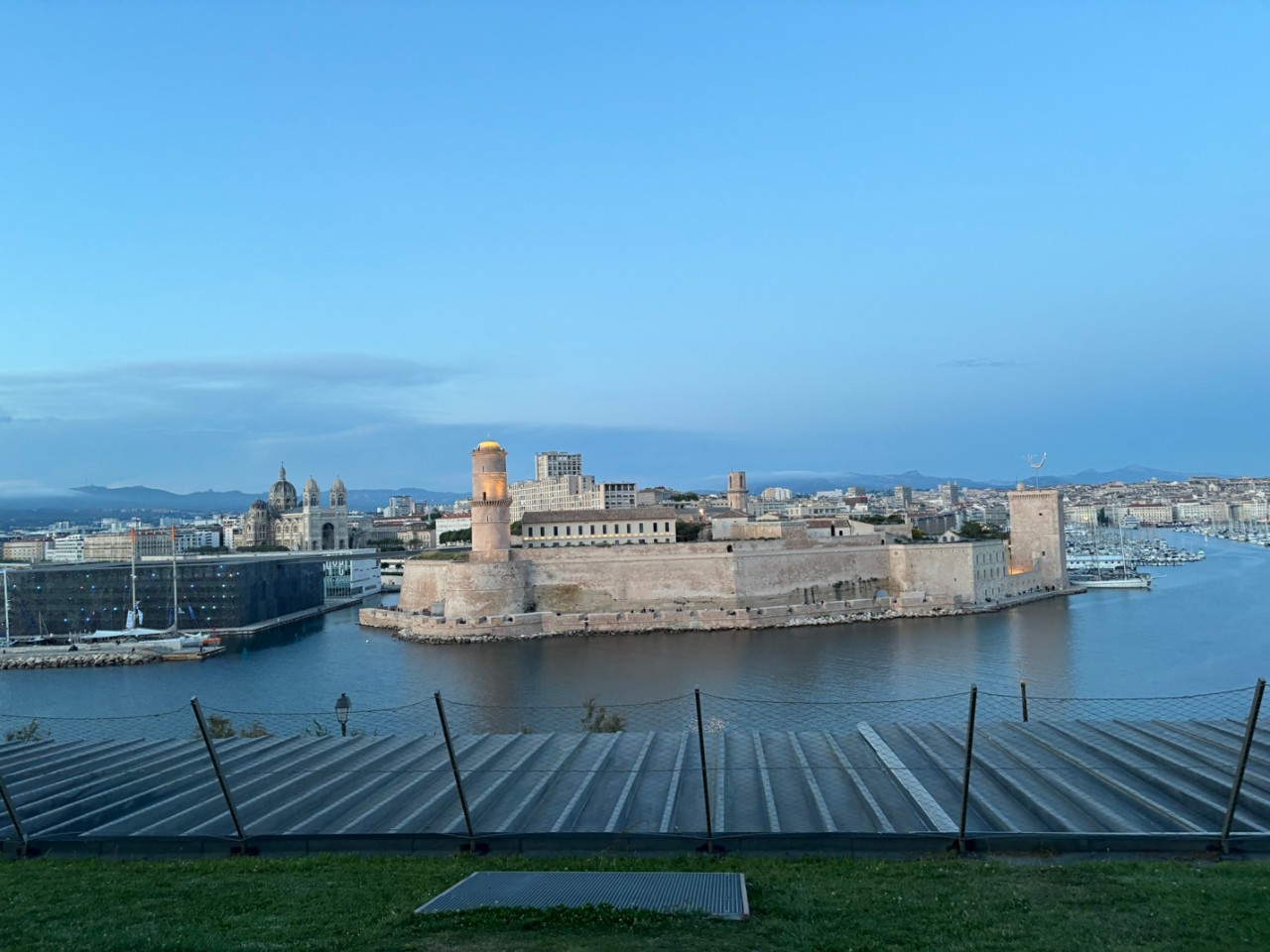
LOGICONOMI 2025 IN MARSEILLE
Logiconomi 2025: Logistics Meets Automation, AI, and Design Thinking for automotive designers exploring the future of mobility and logistics
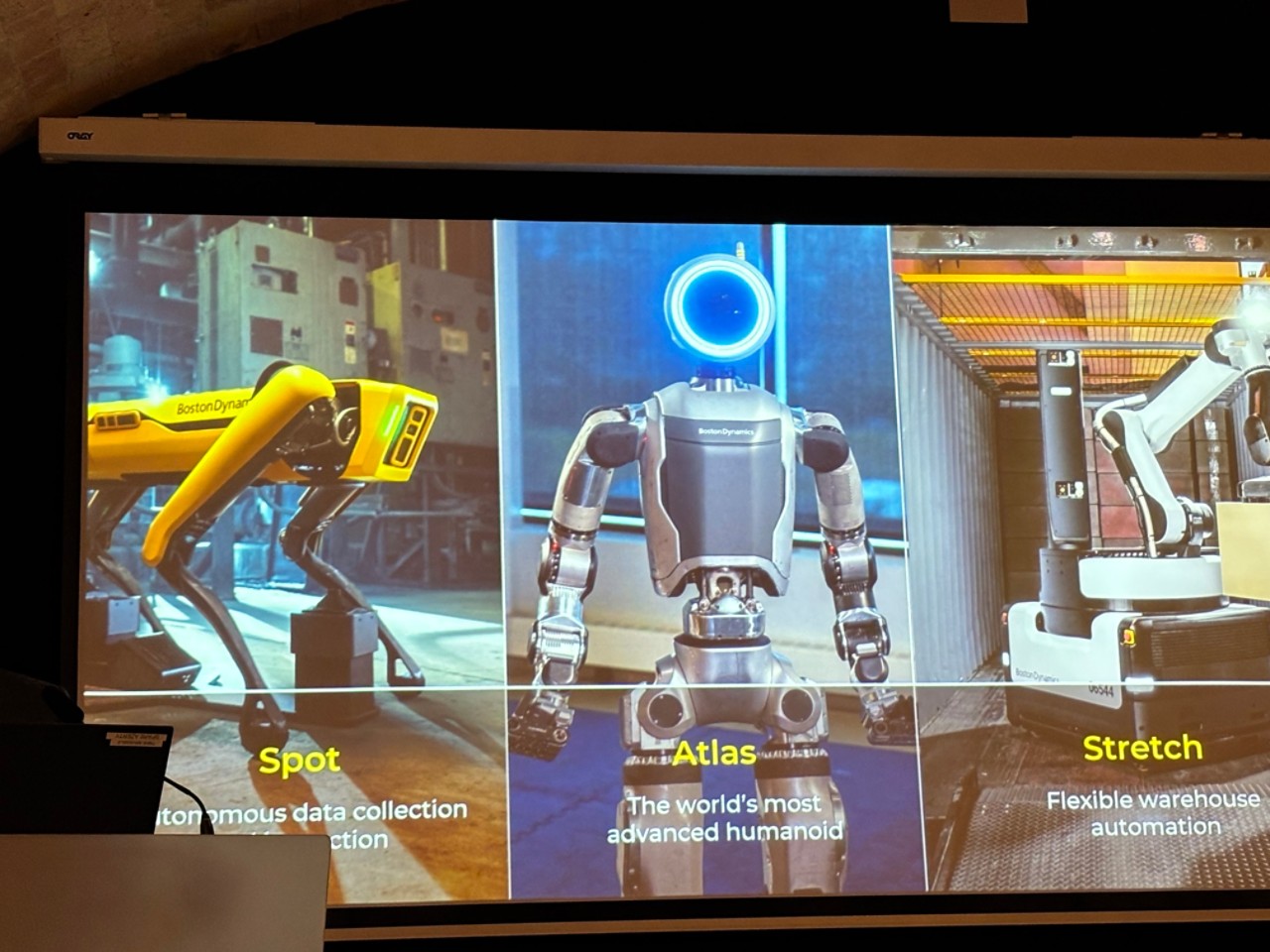
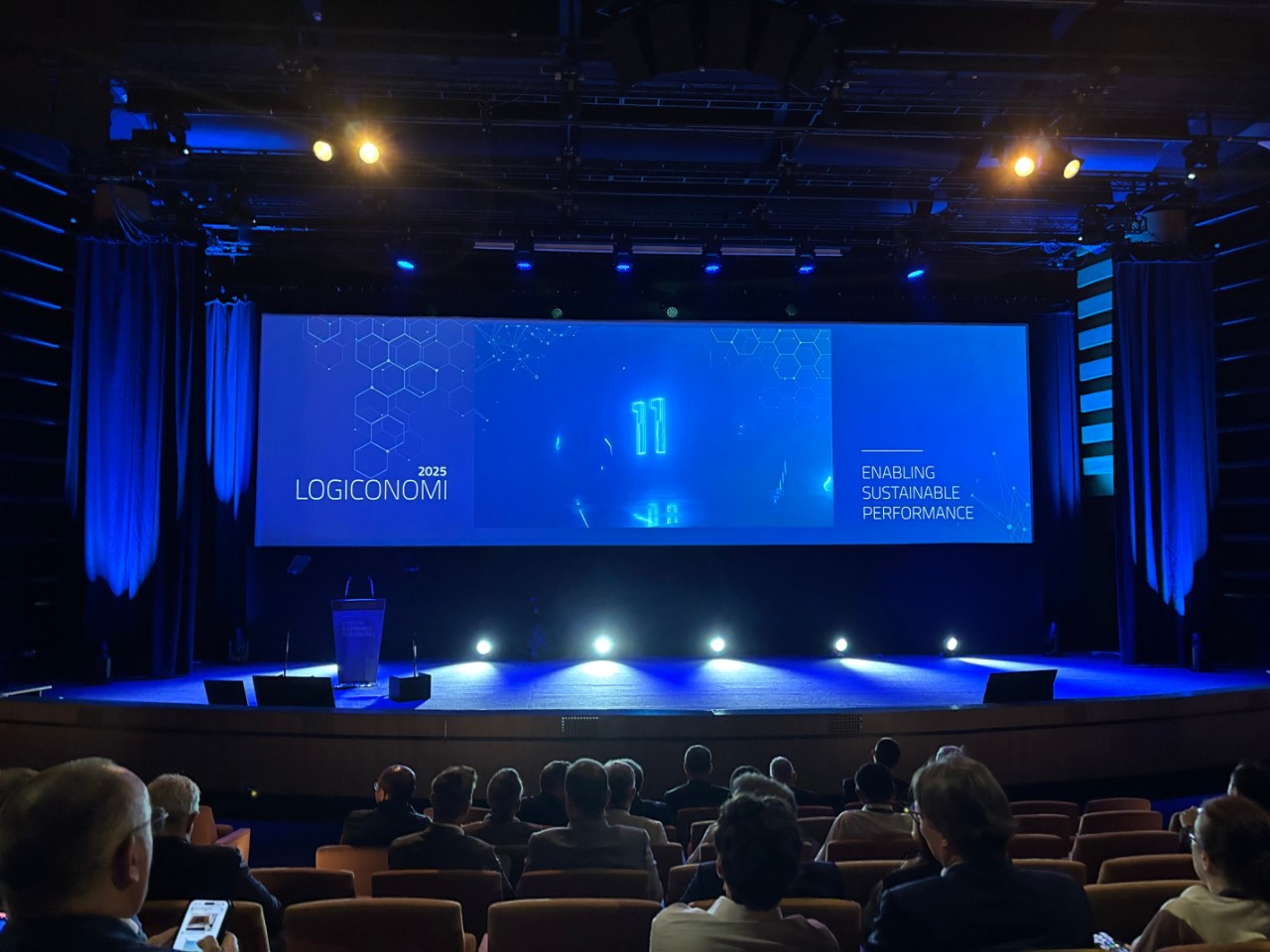
Toyota Material Handling Europe (TMHE) recently hosted the 2025 edition of Logiconomi, a leading communication platform designed to explore how automation and AI are reshaping logistics. With the theme “Enabling Sustainable Performance,” this two-day event gathered over 570 professionals and featured 16 presentations from tech giants like Nvidia, Boston Dynamics, and startups introducing cutting-edge innovations.
Logiconomi offers a forward-looking view into the logistics sector—an increasingly relevant space for automotive designers working at the intersection of mobility, sustainability, and smart systems. The event’s workshops and keynotes tackled some of the most pressing challenges: labour shortages, rising operational costs, and the aging workforce. One eye-opening statistic: 10% of logistics operation costs are due to damage or lost parcels.
With the explosive growth of e-commerce, mega logistics centres are expanding rapidly. In response, Automated Guided Vehicles (AGVs) and battery-electric forklifts are being adopted at scale—highlighting a surprising fact: 90% of forklifts are already electric, far ahead of the 14% penetration in private cars.
TMHE’s design team also showcased their latest forklift concepts and co-hosted the Toyota Logistic Design Competition TLDC in short, TMHE design, Toyota ED² and Toyota Motor Europe Toyota Open Labs co creating the future of logistics and mobility design with design and business students who would change the world of logistics and mobility.
For those in automotive design, Logiconomi offered a fresh lens: The world of logistics is rapidly changing with AI, robotics, and electrification. While distinct from traditional automotive design, Toyota's transition to a mobility company is blurring the boundaries between mobility logistics and the need for further collaboration. It was a very enriching opportunity that provided valuable insights and inspiration for future mobility solutions, especially at the intersection of automation and intelligent design.
ロジコミ2025:オートメーション、AI、デザイン思考とロジスティクスの融合
トヨタ・マテリアルハンドリング・ヨーロッパ(TMHE)はこのほど、2025年度のLogiconomi をマルセイユで開催しました。これは、自動化とAIによるロジスティクスの再構築を探るためのコミュニケーション・プラットフォームです。「持続可能なパフォーマンスの実現」をテーマとしたこの2日間のイベントには、570人を超える専門家が参加し、NvidiaやBoston Dynamicsなどのハイテク大手と新興企業が16のプレゼンテーションを行い、最先端のイノベーションを披露しました。
Logiconomiは、モビリティ、持続可能性、スマートシステムが交錯する分野に携わるカーデザイナーに、今後さらに関連性が高まるロジスティクスのインサイトとトレンド情報を提供するイベントです。ワークショップと基調講演では、労働力不足、運営コストの上昇、労働力の高齢化といった緊急の課題を取り上げ、AIの活用など今後の方向性と可能性が示されました。中でも驚いたのは、小包の破損や紛失が、ロジスティクス運営コストの10%を占めるという事実です。
電子商取引の爆発的な成長に伴い、メガ・ロジスティクスセンターは急速に拡大しています。無人搬送車(AGV)や電動式フォークリフトが大規模に使われ、フォークリフトの90%はすでに電動化されています。これは自家用車のBEV普及率14%を大きく上回っており、EV化の浸透が遅い自動車業界では驚くべき事実です。特にAGVは、有人搬送車に比べ事故が少なく安全で信頼性が高く、高効率・長寿命で、実際、人が運転するフォークリフトよりも持続可能であることが証明されつつあります。
TMHEのデザインチームも最新のフォークリフト・コンセプトを展示していました。ED²もTME Toyota Open Lab(TMEのスタートアップインキュベーター)を巻き込み、トヨタ・ロジスティック・デザイン・コンペティションを共催しています。
ロジスティクスの世界は、AI、ロボット工学、電動化により急速に変化しています。従来の自動車デザインとは一線を画しつつ、モビリティカンパニーへと移行するトヨタにとって、モビリティロジスティックとの協働はさらに必要となってきます。Logiconomiは、オートメーションとインテリジェント・デザインが交錯する将来のモビリティ・ソリューションにおいて、貴重な洞察とインスピレーションを与えてくれる大きな機会となりました。