
Vintage luxury is having a major resurgence, especially among Gen Z, who are drawn to its unique charm, sustainability, and exclusivity. This isn’t just a fleeting trend—it reflects a deeper cultural shift. Vintage fashion, accessories, and furniture now represent a lifestyle choice, blending nostalgia with environmental consciousness.
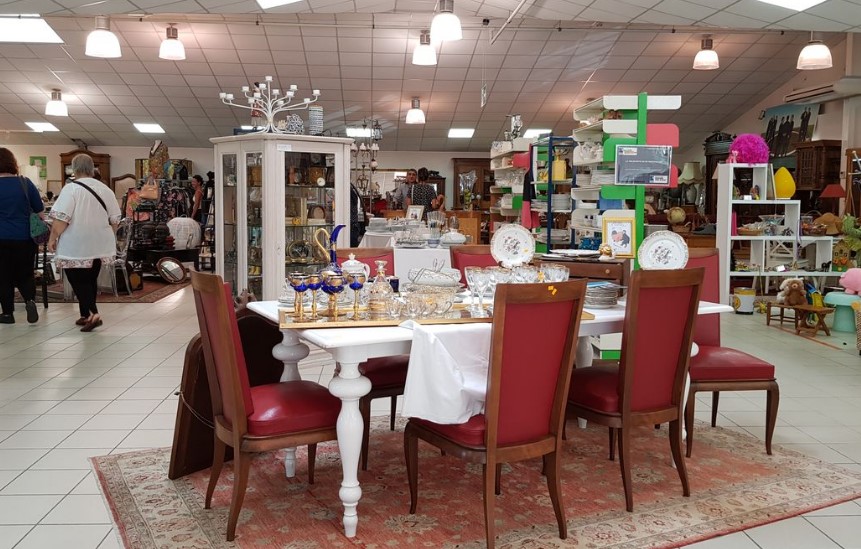
My teen daughter, who started high school in September 2024, often asks to go “thrifting” with her friends—visiting charity shops to hunt for rare finds. Her love for vintage blossomed last summer when she studied languages alongside Scandinavian students who regularly explored second-hand stores in a small French city. It reminded me of my own passion for mid-century Danish teak furniture, often sourced via platforms like Le Bon Coin or Selency—sites promoting second-hand shopping to reduce CO2 emissions. I just purchased a mid-century Danish dining table, which I wanted to add to my living room for a decade.
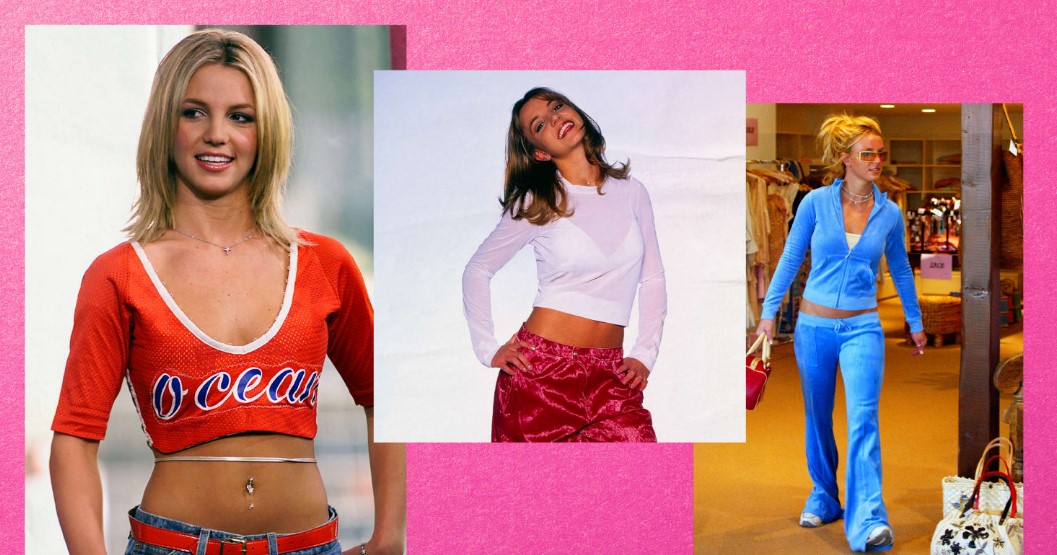
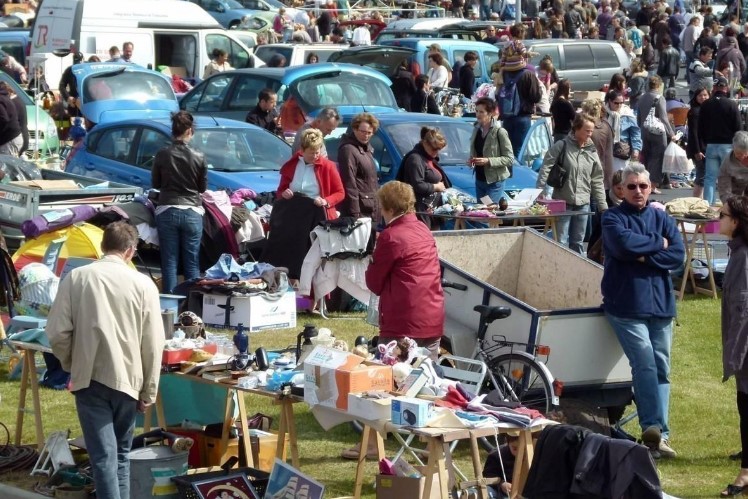
Platforms like Etsy and eBay remain hugely popular for vintage treasures and collectibles like Pokémon cards. In France, local flea markets, called Vide Grenier (“emptying your attic”), offer a similar experience, with pre-loved clothes and goods often priced between €1 to €5. My daughter and her friends are currently obsessed with finding 2000s-era jeans, and I’m often asked to help retouch her vintage finds.
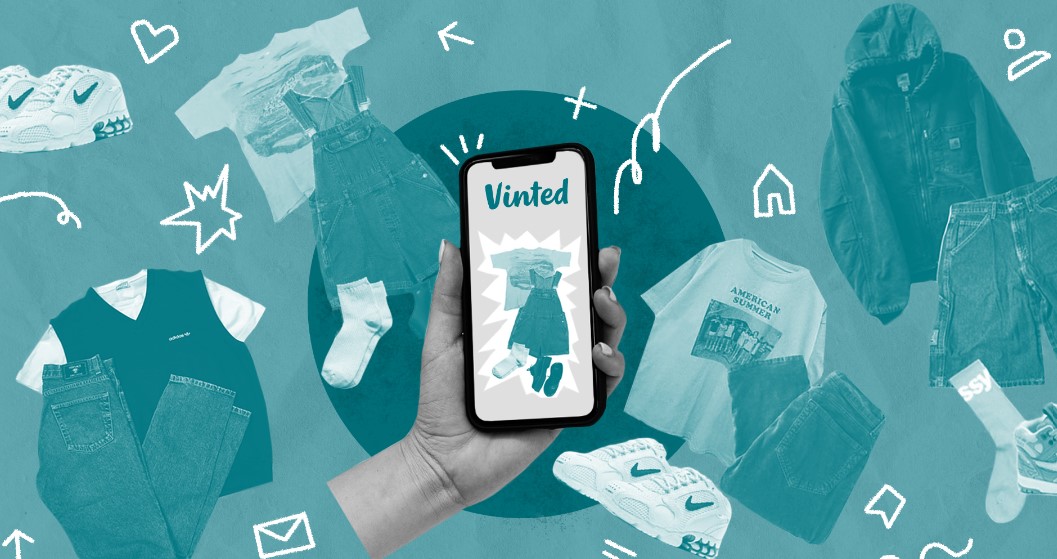
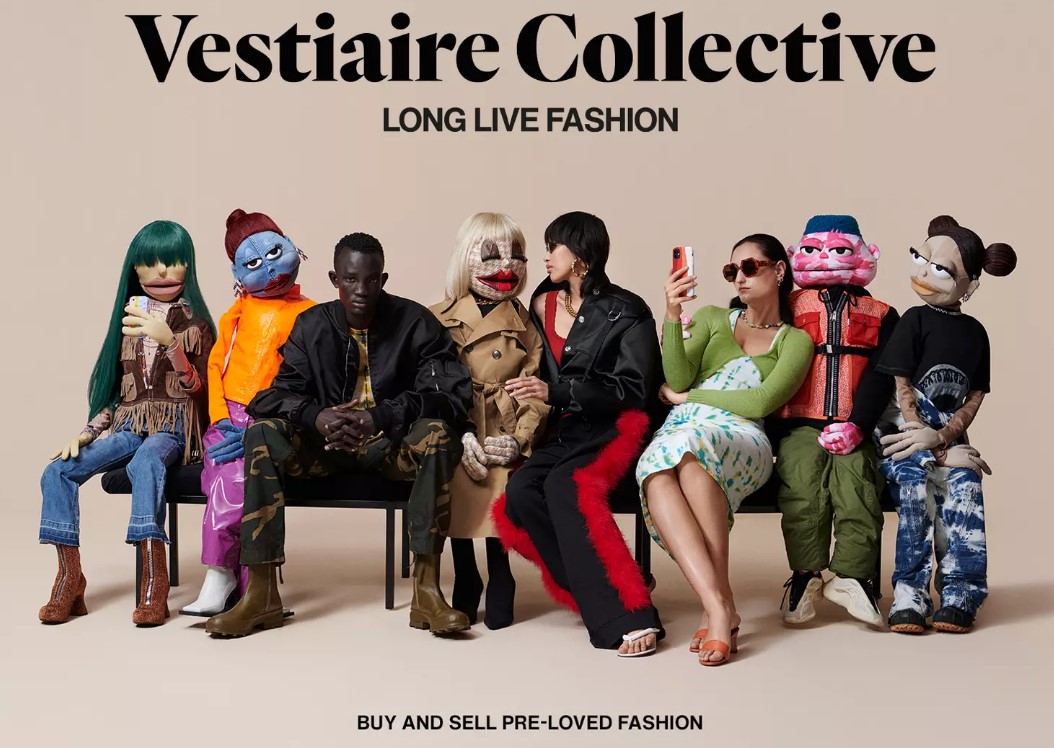
Meanwhile, Vestiaire Collective, founded in France in 2009, champions circular fashion. Their 2024 Circularity Report highlights that pre-owned luxury is 33% more cost-effective over time and dramatically reduces environmental impact compared to fast fashion.
Across all platforms, a common message emerges: buying second-hand produces 80% fewer emissions than buying new. It’s a small but powerful way to reduce carbon footprints. With 80% of Gen Z now shopping second-hand, and the market expected to reach $84 billion by 2030—more than twice the size of fast fashion—it’s clear the future leans vintage.
As my daughter 1st year of high school, puts it: “I like thrifting because I can find trendy clothes without contributing to fast fashion.” Vintage is no longer just about nostalgia—it’s about making conscious, stylish choices.
ヴィンテージ・ラグジュアリーは、独特の魅力、持続可能性、限定的価値に惹かれるZ世代を中心に、再び注目を集めています。 これは単なる一過性のトレンドではなく、より深い文化的な変遷だと言えます。ヴィンテージ・ファッションやアクセサリー、家具などは、今やZ世代にとって、ノスタルジーと環境への配慮を融合したライフスタイルの一つとなっています。
昨年9月に高校に入学した私の娘は、友達と「スリフティング」に行くのが好きです。チャリティーショップで珍しい服やアクセサリーを探しに行くのです。ファストファッションにも興味のあった彼女ですが、 昨年の夏に一緒に語学を学んだ北欧の学生たちの影響で、ヴィンテージの魅力に目覚めました。その友人達のお決まりは、フリーマーケットやチャリティーショップでヴィンテージ物を見る事でした。 私自身もミッドセンチュリーの北欧家具が好きで、環境への配慮から中古品を扱うオンラインショップで、ダイニングテーブルを購入しました。
ヴィンテージの掘り出し物やポケモンカードなどのコレクターズアイテムが見つかるEtsyやeBayなどのオンラインショップは、依然として大人気です。フランスでは、Vide Grenier(屋根裏を空にする)と呼ばれる地元の蚤の市でも、中古の服や食器、家具などが格安で売られています。
一方、2009年にフランスで設立されたラグジェリーヴィンテージを代表するオンラインショップVestiaire CollectiveやVintedなどは、サーキュラーファッションを推進しています。 彼らの『2024年サーキュラリティ・レポート』では、中古のラグジュアリーはファストファッションに比べ、時間とともに費用対効果が33%向上し、環境への影響も劇的に低減すると述べられています。また、新品の服を購入する機会が減り、中古服を低価格で購入したり売ることができるメリットもあります。
「新品に比べ、中古品の購入はCO2排出量を80%削減できる」というのが、これらのオンラインショップに共通するメッセージです。今やZ世代の80%が中古品を購入し、その市場規模は2030年までに840億ドルに達すると予想されています。これはファストファッションの2倍以上で、未来の方向性がヴィンテージであることは明白です。
娘いわく 「スリフティングが好きなのは、ファストファッションに加担せず、流行の服でも一味違うものが見つかるから。ヴィンテージの好みは単なるノスタルジーじゃなく、自分のスタイルを意識して選択することなんです。」
他人とは違う自分だけのファッションを楽しむヴィンテージ・ライフスタイルは、今後も続くと考えます。