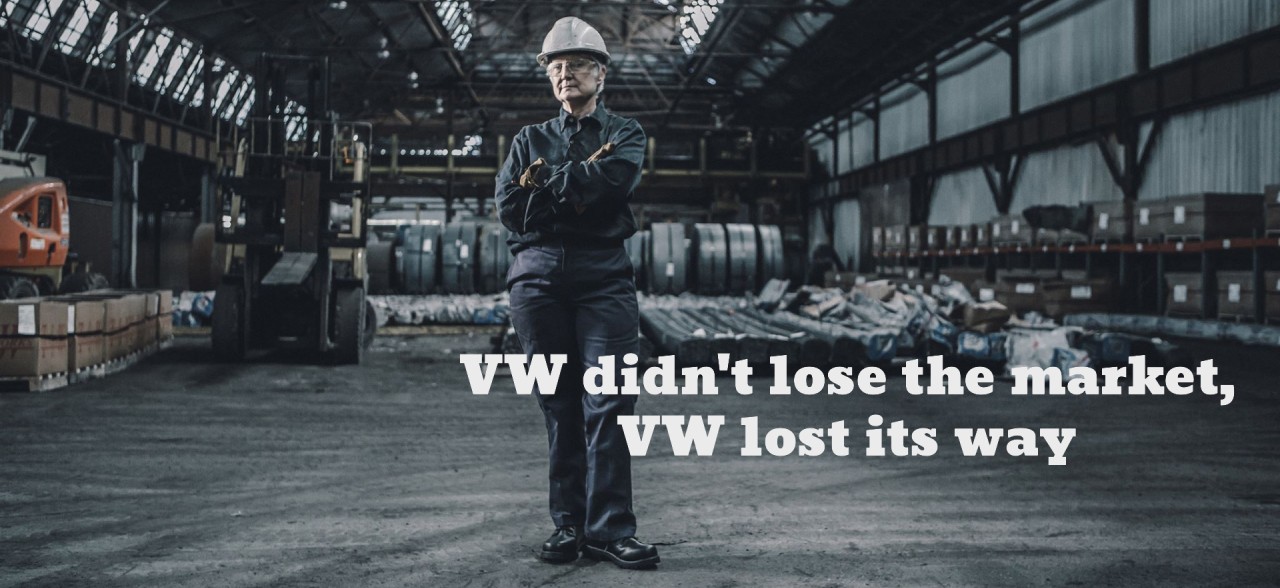

No Volkswagen plant has ever been closed in Germany, but it is now said that VW no longer rules out its German plant closures. About 12,000 workers of three plants would lose their job, and more for the VW’s suppliers. Also, VW recently terminated its 30-year-old agreement of employment protection and can lay off any of its 120,000 employers from July 2025.
The VW Group is doing well. In 2023, the net profit accounts for 18 billion euros, an increase by 13% from the previous year. But the Group says that the European annual car sales sank by 2 million units from the pre-pandemic years, and the Group “lost 500,000 cars” annually, which corresponds to the production capacity of two plants. Also, more than ten billion euros are to be saved by 2026 for the necessary future investment.
The problem is the Group’s core brand Volkswagen. Same as Skoda and SEAT, the VW has sold significantly less cars since the pandemic, but its ROI (2.3%) is far below that of Skoda (6.7%) or SEAT (5.2%)[1]. And the brand VW has several other issues:
· Product Cannibalization: For example, VW Tiguan, Seat Tikka, and Skoda Karoq are relatively identical models. Tiguan is built in Wolfsburg, but Tikka and Karoq in the Czech Republic, where less labour costs make both models cheaper than Tiguan. Customers choose Seat or Skoda or even Toyota, and not VW.
· Image problem: Volkswagen has forgotten the word ‘Volk = people’.
VW has lifted the brand to such a level that it does “not see its core customers”. Example: VW Passat, formerly a typical family car, had become ever more premium and expensive, that didn't work out well.
· Electromobility: VW has missed out on electromobility, especially software and hybrid models
The German automobile press has severely criticized VW’s quality problem, especially its software. It does not work like Tesla’s despite the repeated updates, and software is crucial for EVs. Also, hybrid cars will continue to sell well in the next years, but VW has overslept in this area.
· Chinese competitors: As soon as Chinese manufacturers start producing affordable BEVs on a massive scale in Europe, VW could lose out. VW would still have “a year, maybe two years to turn things around”, warns VW CFO. Also, the VW Group is struggling in China, the Group's largest single market, due to ever stronger local competitors like BYD.
The VW crisis is also seen as ‘the tip of the iceberg.’ Germany has been losing competitiveness as a business location since many years: high energy prices, high labour costs, underinvestment in the infrastructure, a lavish administration and bureaucracy.
Also, German media criticize the political and industrial failures regarding the electromobility:
· Slow reactions of the German automotive industry towards electromobility
· No more subventions, no reasons to buy an EV ‘now’
· Lack of fast-charging stations: When travelling long distances, nobody wants to wait hours to charge, and the fast-charging stations are always occupied.
· Lack of affordable EV models: The German subventions were in fact only for “expensive company cars”. Affordable EVs (< 20K euros) are still absent, especially from the VW. Even Tesla hasn't launched such an EV yet either, despite a lot of promises. VW now says that it will build an affordable EV model by 2027 ‘for Europe in Europe’, suggesting the model will not be ‘made in Germany’ anymore - perhaps in the Czech Republic?
German manufacturers have been leading the combustion engines but are hardly so competitive with EVs. Then what will keep the Germans still competitive in the next 10-20 years?
Firstly, brand image of MB, Audi, Porsche, and BMW would continue to attract certain customers. The question is ‘how long’. Secondly, the next big issue – Autonomous driving: The Germans must be most innovative to compete with the US and China. And the third way could be another ‘German economic miracle’, a rapid transformation from an export-orientated car manufacturer to a clean energy powerhouse, leading the way in chips and batteries.
https://annualreport2023.volkswagen-group.com/divisions/skoda.html
https://finanzmarktwelt.de/vw-in-der-krise-hier-die-absatzrueckgaenge-im-detail-321355/
https://finanzmarktwelt.de/vw-vor-historischer-wende-der-grosse-interne-kampf-beginnt-321079/
https://finanzmarktwelt.de/vw-im-langsamen-niedergang-deutschlands-auto-image-leidet-321383/
[1] The figure of VW and SEAT in the first half-year of 2024, Skoda in 2023
フォルクスワーゲン (VW) のドイツ国内工場は、これまで閉鎖されたことがない。しかし今、同社はその国内工場の閉鎖も厭わない方針だ。閉鎖の危機にあるのは、約1万2000人が働く3工場。そのサプライヤーにも、多くの失業者が出ることになる。それに加え、VWは30年来の雇用保護協定を解消。これにより2025年7月以降、VWはその国内従業員12万人を任意に解雇できるようになる。
業績で見れば、VWグループは好調だ。2023年の純利益は前年比13%増の180億ユーロ。しかし同グループによれば、欧州の年間販売台数はパンデミック前に比べ約200万台減少しており、VWも2工場分の生産能力に相当する年間「50万台を失った」という。加えて、2026年までに100億ユーロを超える将来投資が必要だという。
問題は、グループの中核ブランドであるVWだ。シュコダやセアト同様、VWもパンデミック以降の販売台数は大幅に減少しているが、その利益率(2.3%)はシュコダ(6.7%)やセアト(5.2%)をはるかに下回る[1]。また、他にも問題を抱えている:
1. カニバリゼーション:例えば、VWティグアン、セアト・ティッカ、シュコダ・カロクは、比較的似通ったモデルだが、ティグアンはドイツ製、ティッカとカロクは労働力の安いチェコ共和国で生産されており、ティグアンより低価格だ。そのため顧客はVWではなく、セアトやシュコダ、あるいはトヨタを選んでいる。
2. イメージと実態の乖離:VWは「フォルク=人々」ブランドの語源を忘れてしまった
VWは同ブランドを「VW本来の顧客が見えない」レベルまで引き上げてしまった。その一例が、VWパサート: かつては典型的なファミリーカーとして人気があったが、プレミアム化が進み高価になり、そのコアユーザーの支持を失った。
3. 電動化: 特にソフトウェアとハイブリッドモデルで乗り遅れる
ドイツのカーメディアは、VWの品質問題、特にソフトウェアを厳しく批判。BEVに極めて重要なソフトウェアだが、VWでは度重なるアップデートにもかかわらず、テスラのようにスムーズに機能しない。また、ハイブリッド車は今後も順調な売れが期待されるが、VWは同分野でも大きく遅れをとっている。
4. 中国との競合:中国メーカーが欧州で廉価なBEVの大量生産を始めれば、VWは敗北の危機にある。VWのCFOは、「状況を好転させるにはまだ1〜2年かかるだろう」と警告。またVWグループの最大市場である中国でも、BYDなどの強力な地元企業に対し苦戦を強いられている。
VWの危機は「氷山の一角」とも見られている。エネルギー価格の高騰、高い人件費、インフラへの過小投資、金のかかる行政や官僚主義などが原因で、ドイツは長年にわたりビジネス拠点としての競争力を失いつつあるからだ。
また、電動モビリティに対する行政と業界の失策も指摘されている:
· ドイツ自動車業界の反応の遅さ
· 補助金が廃止され、BEVを「今」買う理由も無くなった。
· 急速充電ステーションの不足: 長距離移動中に充電に何時間もかけたくないが、数少ない急速充電ステーションにはいつも空きがない。
· 手頃価格のEVが不在:ドイツの補助金は、実際には「高価な社用車」だけが対象だった。2万ユーロ未満の手頃な価格のBEVはVWにはまだ無く、口約束の多いテスラでさえ、未だそのようなモデルを投入していない。VWは2027年までに欧州向けの手頃価格のBEVモデルを「欧州で」製造すると言っている。もはや「ドイツ製」ではなく、チェコで生産されるのではないか。
内燃エンジンで世界をリードしてきたドイツメーカーも、EVでは競争力に劣る。では今後10~20年間、ドイツ勢がその競争力を維持する術は何なのか?
第一に、ブランド力:MB、アウディ、ポルシェ、BMWは一定の顧客から支持され続けるだろう。問題は、それが 「いつまで 」続くかだ。第二に、次の目玉となる自律走行で、ドイツはアメリカや中国を凌ぎ、最も革新的でなければならない。そして第三の道は、輸出中心の自動車大国から、チップとバッテリーで世界をリードするクリーンエネルギー大国への急速な変貌により、次なる「ドイツ経済の奇跡」を成し遂げることかも知れない。
Sources and references:
https://annualreport2023.volkswagen-group.com/divisions/skoda.html
https://finanzmarktwelt.de/vw-in-der-krise-hier-die-absatzrueckgaenge-im-detail-321355/
https://finanzmarktwelt.de/vw-vor-historischer-wende-der-grosse-interne-kampf-beginnt-321079/
https://finanzmarktwelt.de/vw-im-langsamen-niedergang-deutschlands-auto-image-leidet-321383/
[1] VWとセアトの数値は2024年上半期、シュコダは2023年の数値
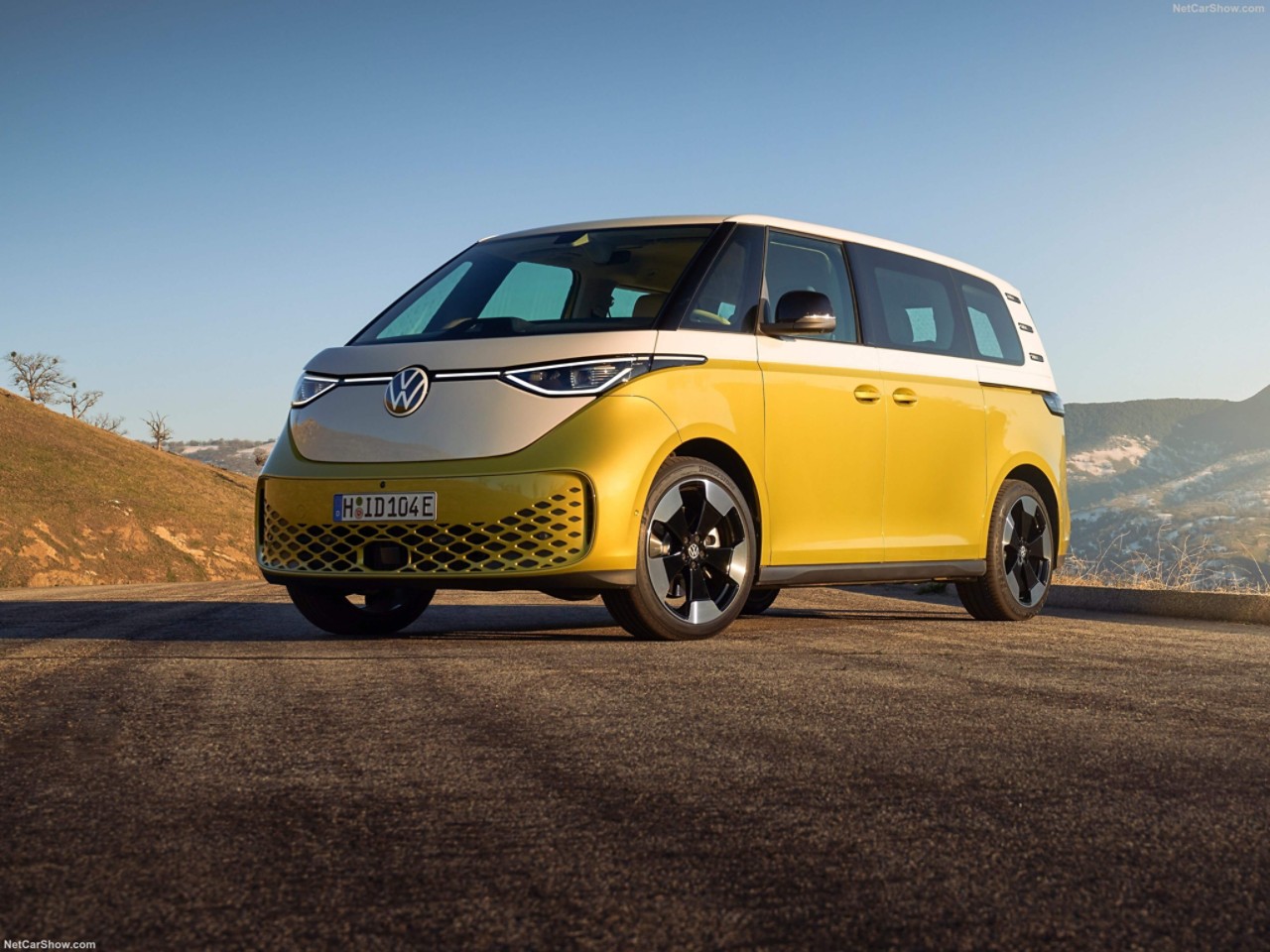
’Volkswagen recently said, "Der Markt ist schlicht nicht mehr da"—the market is simply no longer there. However, the reality isn't that the market disappeared; instead, it's VW that lost its way.’