
The global carbon credits market is predicted to grow at a compound annual growth rate of more than 37% to USD 16,400 billion by 2034. Especially in Africa, carbon credits will deliver significant impacts on its economy, social welfare and environmental sustainability. However, Africa realizes very little of its vast potential. International and African initiatives are trying to expand African carbon markets through carbon-offset projects and regulatory measures.
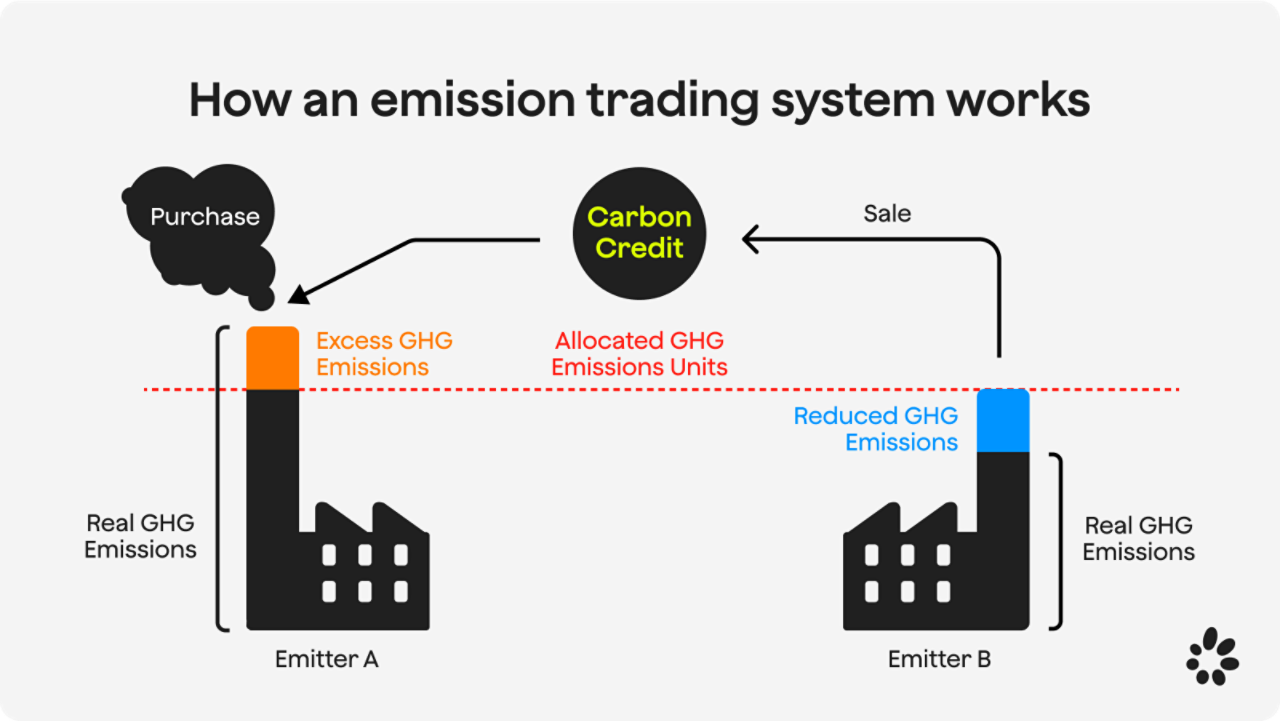
· It is about trading emission permits or carbon-credit[1], and is a market-driven mechanism to reduce global emissions. If a business emits less than its allowed amount of CO2 or other GHGs, it can sell their surplus permits/credits or buy them if it emits more.
· There are two types of carbon markets: On compliance markets, generating more than 98% of the total market revenue, companies trade emission permits to meet their emission limits set by governments or regulatory bodies. The EU Emissions Trading System (EU ETS) is the world’s largest compliance carbon market.
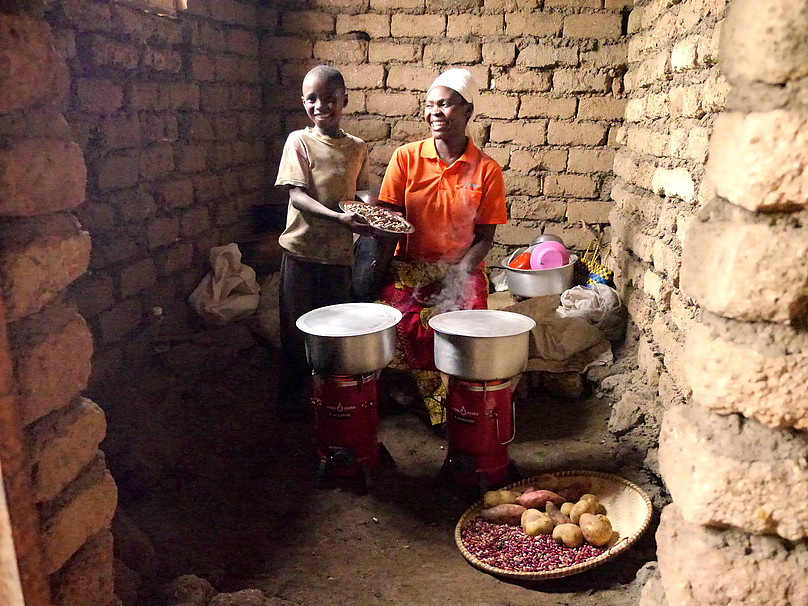
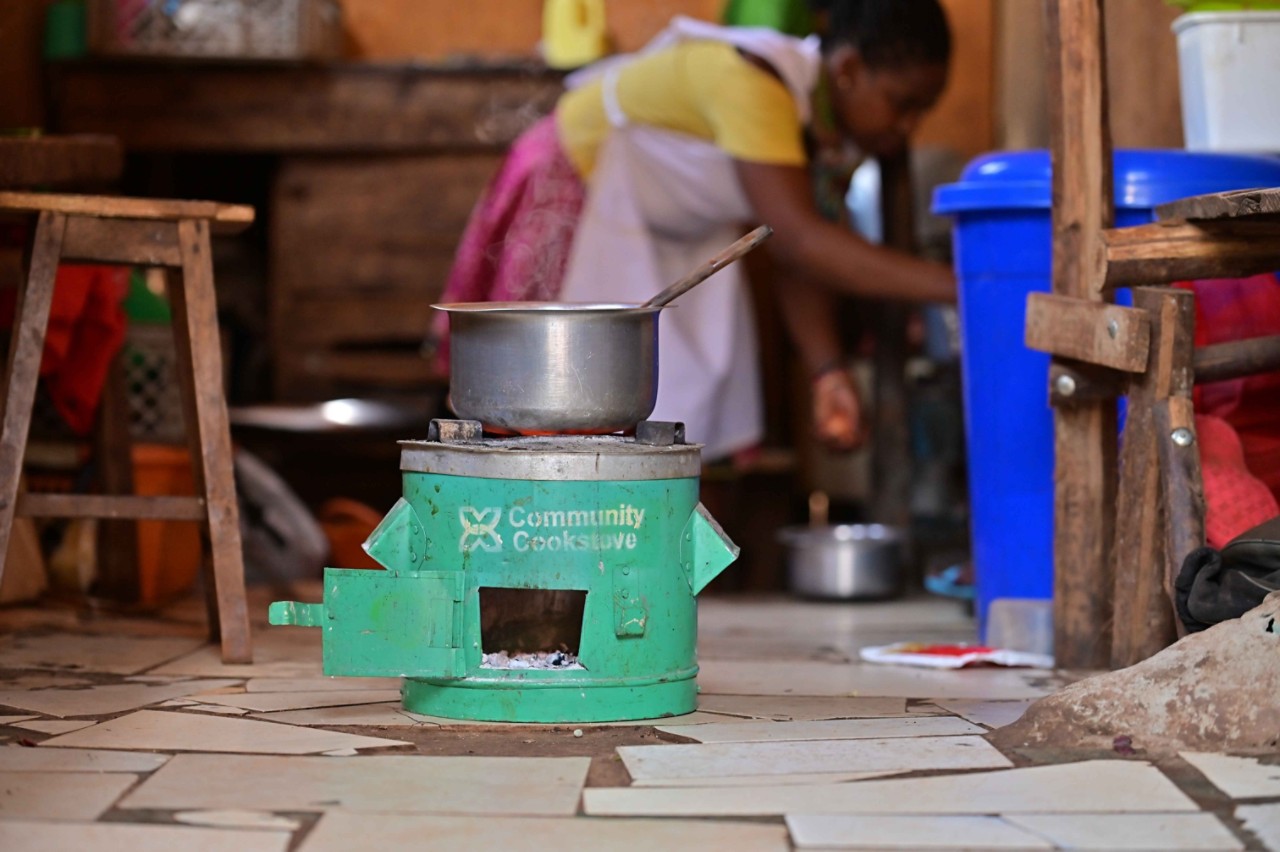
· On voluntary markets, organizations and individuals voluntarily trade carbon credits to offset emissions. They invest in carbon-offset projects to compensate their own emissions or earn carbon credits to sell. Carbon-offset projects include restoring ecosystems (reforestation, regenerative agriculture), providing clean energy (renewables, cookstoves), create energy from waste, as well as direct carbon capture and storage. The biggest issues are carbon integrity relating greenwashing and the real effectiveness of emissions reductions, and equity of carbon-credit projects impacting host countries and communities.
· Also, the Paris Climate Agreement (Article 6.2) allows countries to voluntarily cooperate, and trade emission permits to meet their emission reduction goals.
In Africa, carbon credits will improve income and job opportunities, food security, health, climate resilience and biodiversity. And it enables African countries to access new technologies and substantial funding. However, Africa currently realizes only 2% of its annual potential to generate carbon credits and comprises only 16% of the global credits market. Africa could leverage its vast renewable energy resources, tropical forests, peatlands, and marine ecosystems to export premium carbon credits. Launched at COP27 in 2022, Africa Carbon Markets Initiative (ACMI) aims to expand voluntary carbon markets in Africa, through more credit integrity, favourable regulations and increased trading under the Paris Agreement.
Carbon offset projects will create economic opportunities, improve access to clean and affordable energy, and support sustainable agriculture. Roughly 90% of Africa’s recent carbon credit supply comes from cookstove projects and deforestation avoidance projects. Especially the latter is crucial, because Africa has one-fifth of the world’s remaining forests but is losing them faster than anywhere else.
[1] One tonne of carbon dioxide or the same amount of GHG is equivalent to one tradable carbon credit.
アフリカのカーボンビジネス
排出権/カーボンクレジット市場は、2034年までに年平均成長率37%以上で拡大し、約16兆4千億ドル規模になると予測されている。特にアフリカでは、カーボンクレジットは経済、社会福祉、環境持続可能性に大きく寄与するが、現状ではアフリカの持つ巨大な潜在力がほとんど活用されていない。そのため国際機関やアフリカ各国・関連機関および企業が、カーボンオフセット・プロジェクトや法整備により、アフリカのカーボン市場の拡大を図っている。
· 排出権またはカーボンクレジット[1]取引は、世界全体の排出量削減を目的とした市場メカニズム。CO2その他の温室効果ガス排出許容量(排出枠)を基準に、それを下回る企業や国は余剰分の排出権/クレジットを売却し、超過する場合はそれを購入する。
· 取引は政府や規制機関主導のコンプライアンス市場、又は民間主導のボランタリー市場で行われる。総市場収益の98%以上を占めるコンプライアンス市場では、政府や規制機関が定める排出枠を満たすための排出権取引が行われる。EU排出権取引制度(EU ETS)は、世界最大のコンプライアンス市場である。
· ボランタリー市場では、組織や個人の自主的な排出量オフセットのためのカーボンクレジット取引が行われる。加えてカーボンオフセット・プロジェクトへの投資により、排出量の相殺や、カーボンクレジットの獲得・販売が可能となる。主なプロジェクトには、生態系の回復(植林、再生農業)、クリーンエネルギーの提供(再生可能エネルギー、調理用ストーブ)、廃棄物からのエネルギー生成、直接炭素回収・貯蔵などがある。なお、グリーンウォッシングや排出量削減の実効性などクレジットの信頼性と、受入国や地域社会に影響を与えるオフセットプロジェクトの公平性が最大の課題となっている。
· さらにパリ協定(第6.2条)は、気候変動目標達成のため、国家間の自主的な協力と排出権取引を認めている。
アフリカでは、カーボンクレジットが収入や雇用機会、食料安全保障、健康、気候変動への耐性や生物多様性を改善するのみならず、アフリカ諸国に新技術や多額の資金をもたらす。
しかし現状では、アフリカは年間クレジット創出量で潜在力の2%しか実現しておらず、世界市場の約16%(2023年)を占めるに過ぎない。アフリカは、その広大な再生可能エネルギー資源、熱帯林、泥炭地、海洋生態系を活用し、プレミアム価格のクレジットを輸出できる大きな潜在力を持つ。COP27(2022年)で発足したアフリカ炭素市場イニシアティブ(ACMI)は、クレジット信頼性の向上と法整備、パリ協定に基づく排出権取引の増加によるボランタリー市場の拡大を目指している。
カーボンオフセット・プロジェクトは、経済機会の創出、クリーンで安価なエネルギーの提供、持続可能な農業の支援などに寄与している。現在アフリカのクレジット供給の約90%を占めるのは、調理用ストーブプロジェクトと森林破壊回避プロジェクトだ。特に後者が極めて重要なのは、世界の残存森林の5分の1を保有するアフリカが、他のどの地域よりも速く森林を失いつつあるからだ。
Sources and references
What is carbon-credit business?
https://carboncredits.com/the-ultimate-guide-to-understanding-carbon-credits/
https://blockapps.net/blog/global-policies-shaping-the-future-of-carbon-markets/
https://www.aspiration.com/resources/carbon-offset-examples
https://gaiacompany.io/effective-carbon-offset-projects/
https://www.persefoni.com/blog/carbon-offset-programs
https://www.csis.org/analysis/whats-plaguing-voluntary-carbon-markets
https://www.gminsights.com/industry-analysis/voluntary-carbon-credit-market
Carbon credit market in Africa
https://blog.zerocircle.eco/en/africa/unlocking-africas-potential-a-roadmap-to-the-carbon-credit-market, https://www.carbonibus.org/post/understanding-the-voluntary-carbon-credit-market-in-africa
https://www.uneca.org/economic-report-on-africa-2024
https://www.impactingafrica.com/how-can-businesses-leverage-carbon-credits/
https://www.carbonibus.org/post/driving-positive-change-carbon-offset-projects-in-sub-saharan-africa
[1] (カーボンクレジット1個)=(CO2または温室効果ガス1トン)