
Attending the Brussels Motor Show for the first time delivered valuable perspective on the state of the market. Long regarded as a primarily sales-driven exhibition, the event revealed itself to be far more strategic in nature. Beyond immediate commercial objectives, it provided a clear reading of product pipelines, emerging design language, and evolving brand positioning across the industry. From volume players to premium and ultra-luxury marques, the entire competitive spectrum was present. Compared with the more restrained energy of the Paris Motor Show, Brussels felt vibrant, internationally diverse, and highly relevant from a design standpoint.
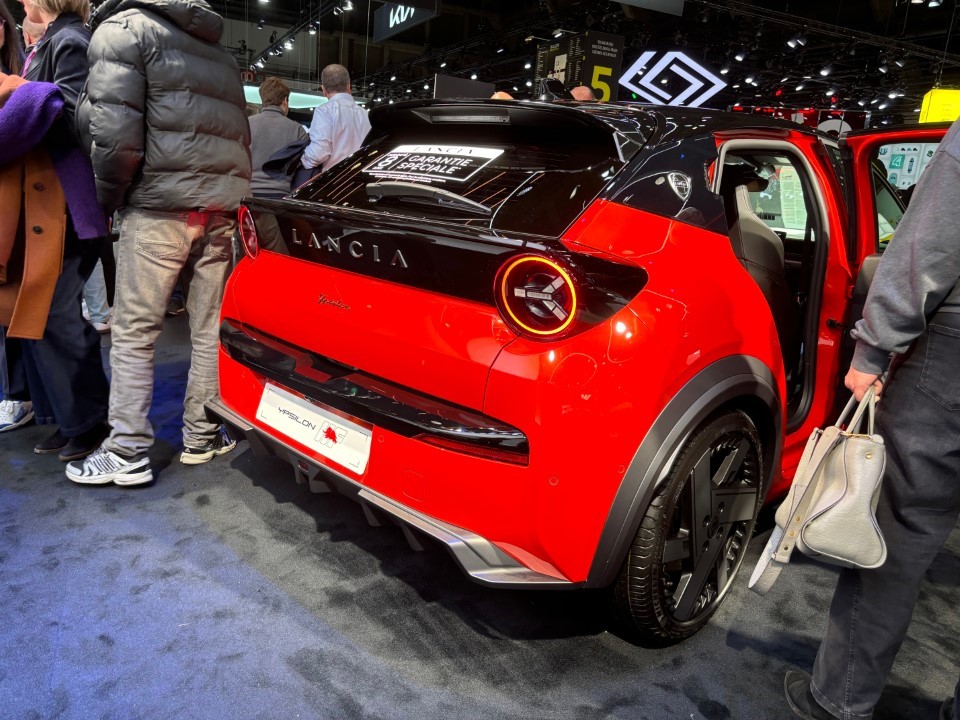
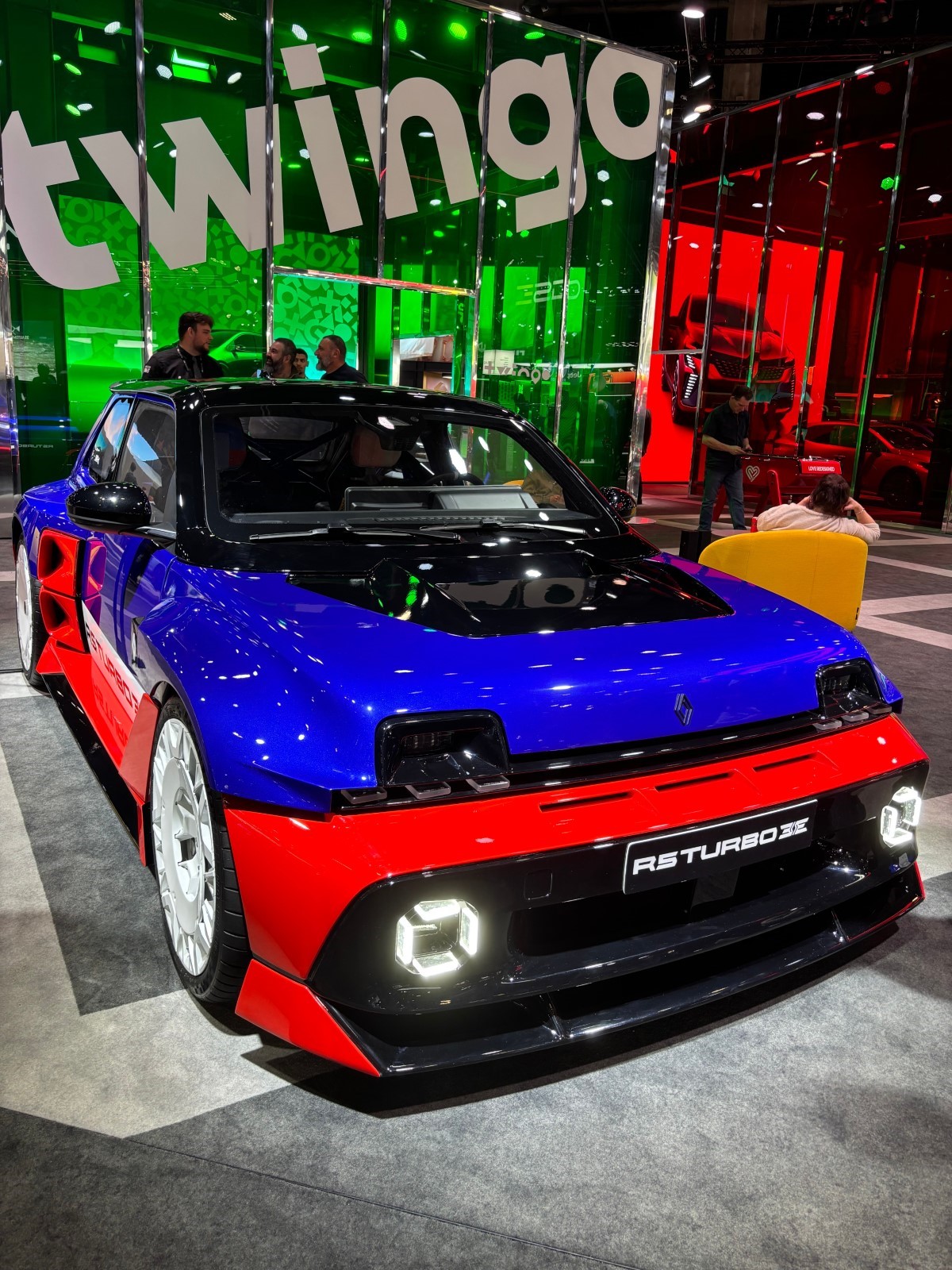
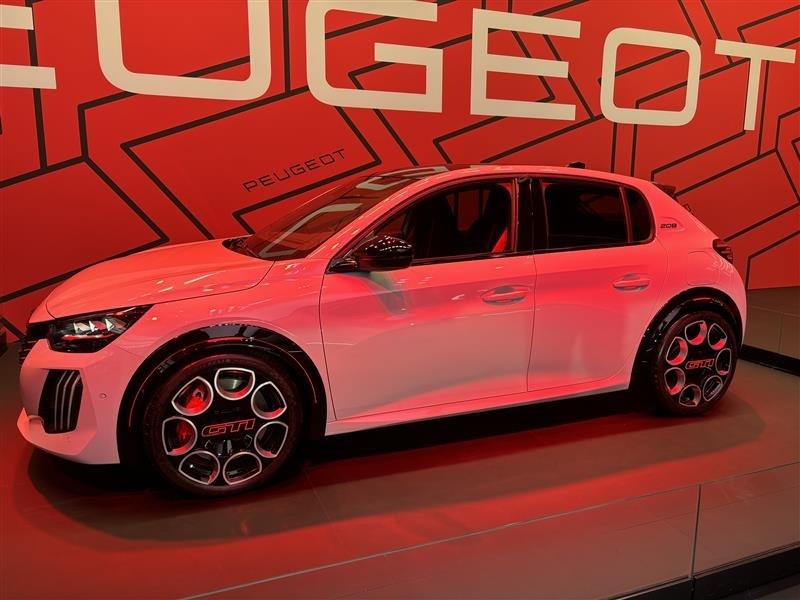
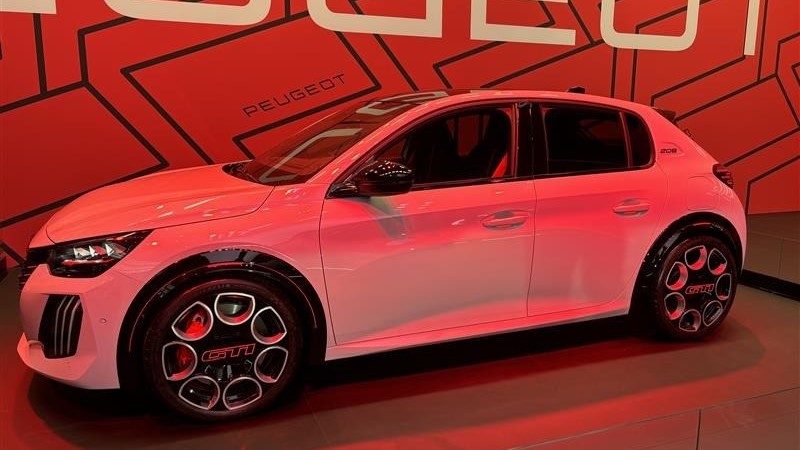
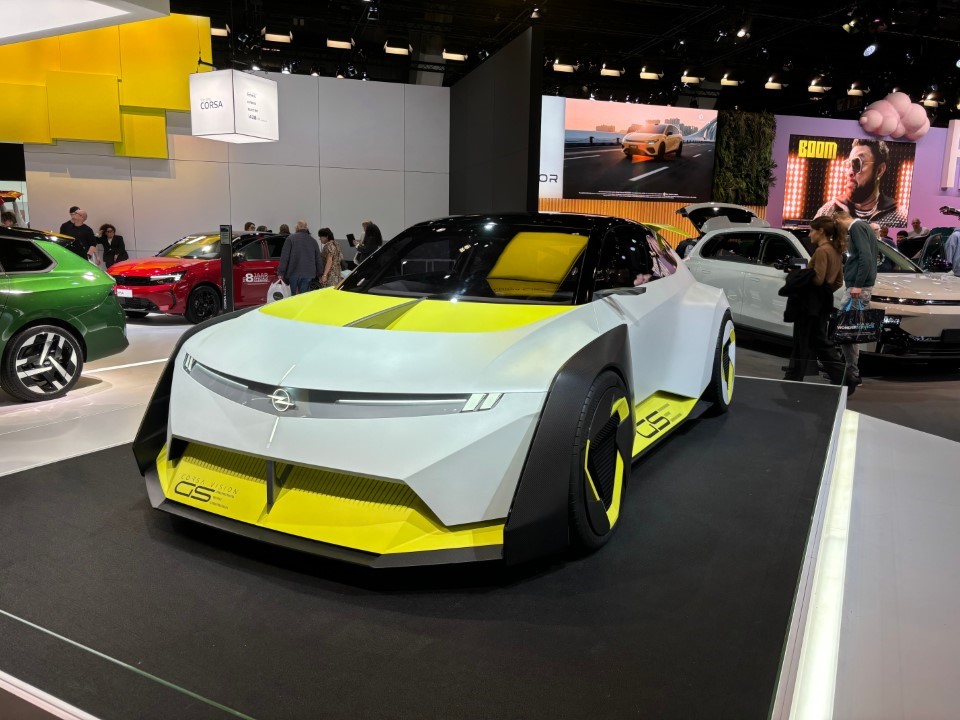
One of the most striking signals was the renewed emphasis on sport-oriented propositions within Europe’s B-segment. Historically a pillar of the region’s market, this category once stood for accessible driving excitement, epitomised in the 1980s by icons such as the Peugeot 205 GTI. Over time, however, B-segment vehicles shifted toward a narrative centred on practicality and urban efficiency.
In Brussels, the pendulum appeared to swing back. A number of new entrants adopted rally-inspired cues, bolder colour strategies, and more expressive, performance-led aesthetics. The movement suggests that emotion, identity and driving pleasure are once again becoming strategic assets, particularly in a period shaped by economic pressure and market uncertainty.
Within this context, we hold strong legitimacy through Toyota Gazoo Racing, a name that resonates with genuine competition pedigree. Yet accessibility remains a constraint in Europe. Products such as the Toyota GR Yaris and the Toyota GR86 face heavy penalties under CO₂-based taxation regimes in countries including France, limiting their potential reach.
Looking forward, there is an opportunity to consider how future models might embed a “fun and fresh” character through design approaches that reinterpret the visual codes currently connecting with millennial audiences. Such a direction could broaden conquest potential while deepening emotional engagement.
In parallel, further strengthening GR Sport grades across the European range offers additional leverage. More assertive, performance-inspired content — expressed through colour, graphics, materials and discreet aerodynamic signatures — would sharpen the grade’s identity and define it more clearly as an attainable gateway into the GR universe, all while remaining aligned with local regulatory realities.
初めてブリュッセルモーターショーを視察し、市場の現状について貴重な視点を得ることができた。販売主導型と見なされてきた展示会だが、実際ははるかに戦略的な性質を持っている。直接的な商業目的を超える内容で、業界全体の製品パイプライン、新興デザイン言語、進化するブランドポジショニングを明確に読み取ることができた。また、量販メーカーからプレミアム・超高級ブランドまで、全ての競合が揃っていた。パリモーターショーの抑えた雰囲気に比べ、ブリュッセルは活気と国際性・多様性に満ち、デザインの観点から極めて意義深いものだった。
最も印象的だったのは、欧州Bセグメントにおけるスポーツ志向の再来だ。歴史的に欧州市場の柱であった同セグメントは、かつては大衆のための走る歓びの象徴であり、1980年代にはプジョー205 GTIなどのアイコンモデルが存在した。しかし時を経て、Bセグメント車は実用性と都市効率性重視へと移行した。
ブリュッセルでは、その振り子が逆方向に振れたように見えた。複数の新参メーカーが、ラリーを彷彿とさせるデザイン要素、大胆なカラー戦略、より表現力豊かで性能重視の美学を採り入れていた。この動きは、特に経済的圧迫と市場不確実性の時代において、エモーション、アイデンティティ、そして走る歓びが再び戦略的資産となりつつあることを示している。
こうした背景の中、我々はトヨタ・ガズー・レーシングという、競技実績に裏打ちされた正真正銘の強力なスポーツブランドを有している。しかし欧州では依然としてアクセシビリティが制約となる。フランスその他政府のCO₂排出量ベースの課税制度の下で、トヨタGRヤリスやトヨタGR86などのモデルは重いペナルティを課され、その普及潜在力を充分に発揮できない。
今後を見据え、ミレニアル世代の共感を得る現行のビジュアルコードを再解釈するデザインアプローチで、将来モデルに「楽しさと新鮮さ」を組み込むことがチャンスとなる。これにより、ユーザーとよりエモーショナルにつながり、新規顧客獲得の可能性も広がるだろう。
それと併行し、欧州ラインナップ全体におけるGR Sportグレードのさらなる強化も重要だ。現地の規制に適合しつつ、カラー、グラフィック、素材、控えめな空力デザインでより強い個性と高いパフォーマンスを表現し、GR Sportのアイデンティティを研ぎ澄ますことが、顧客をGRの世界へと誘う原動力となるだろう。