
A study shows that at least 30% of electric and electronic products are discarded when they are still in a repairable state, and it creates one of the world’s fastest growing waste streams. Also, fastconsuming customers don’t repair devices simply because new ones have become more affordable. A research suggests that customers won’t pay for a repair if it costs more than 30% of the price of a new product.
Circular economy, however, has become a mainstream of business, and public awareness of waste problems is growing. In March 2021, the EC imposed the so-called “right to repair” regulation, that makes it mandatory for manufacturers to have spare parts available for at least 7-10 years after the last unit of a model was sold. Moreover, all parts have to be designed in a way that allows any repairer to use common tools and without damaging the appliance. Currently the regulation covers the most common household electronics only, such as washing machines or fridges. However, the scope will be most likely extended to a wider range of products.
One of the main concerns is “programmed obsolescence” – a practice in which certain manufacturers produce devices with shorter life spans that require expensive repairs. The “right to repair” regulation, also based on the Eco-design Framework Directive, aims to force manufacturers to design more repairable, long-lasting and energy-efficient products.
With this new regulation, the EC also aims to reduce CO2 output and to save energy and water. The estimated reduction of CO2 emissions by this act will be on top of every other EU initiative. The energy and water saved by 2030 will enable the average European household to save around €150 per year.
電化製品の廃棄物問題に取り組むEU
ある調査によれば、電化製品の少なくとも3割はまだ修理可能な状態で廃棄されており、最も急増する廃棄物の一種となっている。加えて消費者も、買い替えが手頃なため修理には消極的だ。特に修理代が新品価格の30%以上である場合、その傾向は顕著だという。
しかし近来、循環型経済がビジネスの主流となり、一般市民の廃棄物問題に対する意識も高まっている。欧州委員会が昨年3月にいわゆる「修理権」規制を施行したのもその表れだ。この規制は、各家電モデルの販売完了後7〜10年間は部品入手が可能であること、また全ての部品は、修理業者が一般的なツールを使用し製品を損傷せず修理できるよう設計することを義務付けている。現時点では洗濯機や冷蔵庫など最も一般的な家電に限られるが、規制対象の拡大も充分に考えられる。
同規制が問題視したのは、製品の寿命を人為的に短縮し、修理が高価となる「計画的陳腐化」という電機メーカーの慣行だ。従って、エコデザイン指令に基づくこの「修理権」規制は、修理可能で長持ちし、エネルギー効率の高い製品の設計を要求している。
欧州委員会はまた、同新規制によるCO2排出量削減、エネルギー及び水の節減を目指している。同規制によるCO2排出削減量は、その他EU規制の効果を上回ると推定され、また2030年までに節減するエネルギー及び水量により、欧州の平均的家庭が年間約150ユーロ(約2万円)を節約できる、としている。
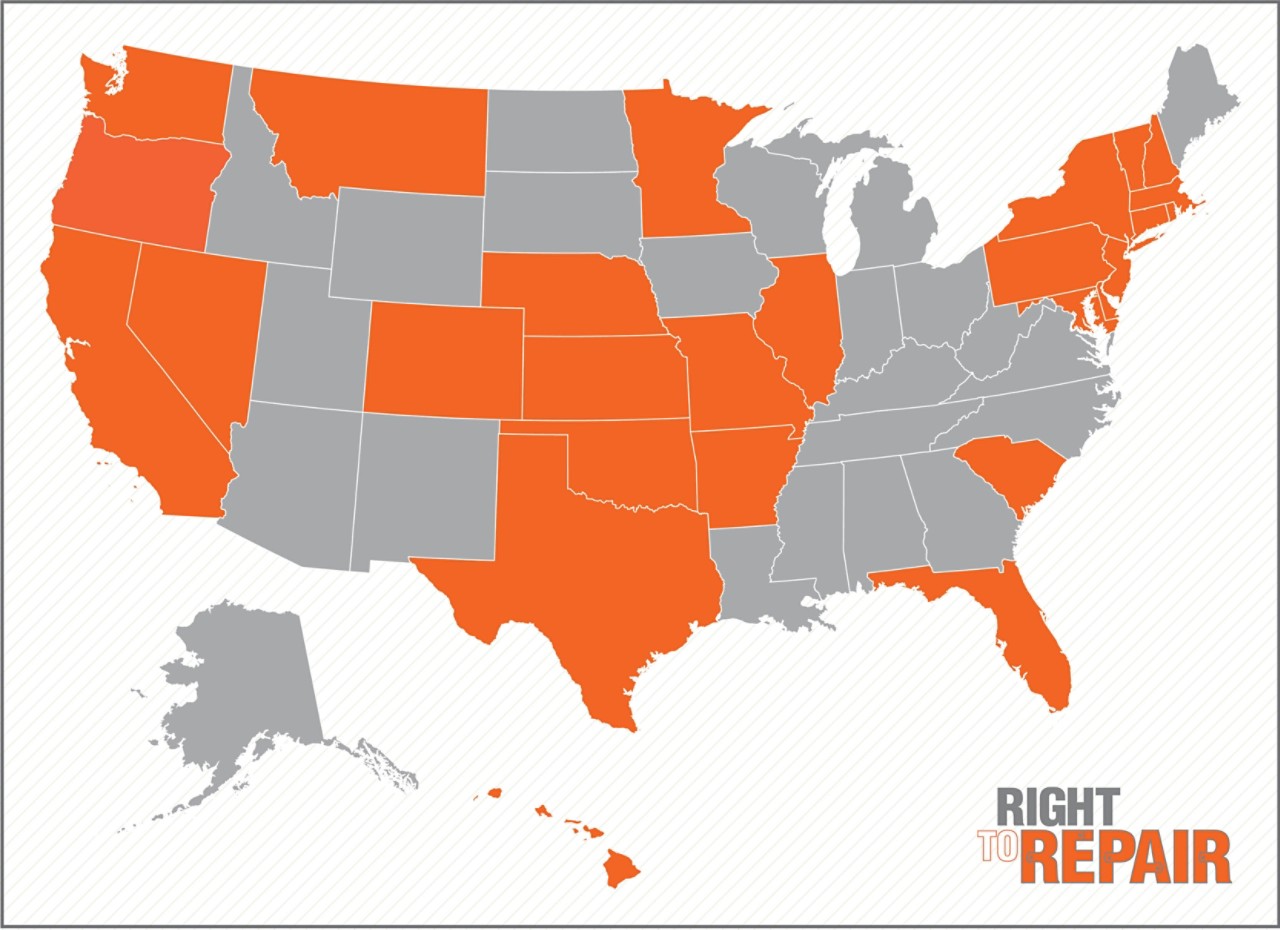
Also in the US, 27 states have introduced or carried over Right to Repair legislation in 2021, demonstrating the widespread appeal of the policy. These bills would require manufacturers of electronic equipment to provide access to necessary items for repair such as manuals and spare parts. In some states, the bills apply more broadly, such as to medical equipment.
This move would change business models, promote more innovation and competition over durability and repairability and enable consumers to make informed choices weighing on product lifetime, ease of repair and impacts on the environment.
For example, Electrolux (Sweden) is actively promoting repairs, increasing its online and phone advice to enable customers to carry out simple repairs themselves and offering a flat-fee repair service. The company expects the business benefit in the long run by “building brand loyalty and trust“, and the flat-fee service proves popular with a 20% increase in bookings during 2020.
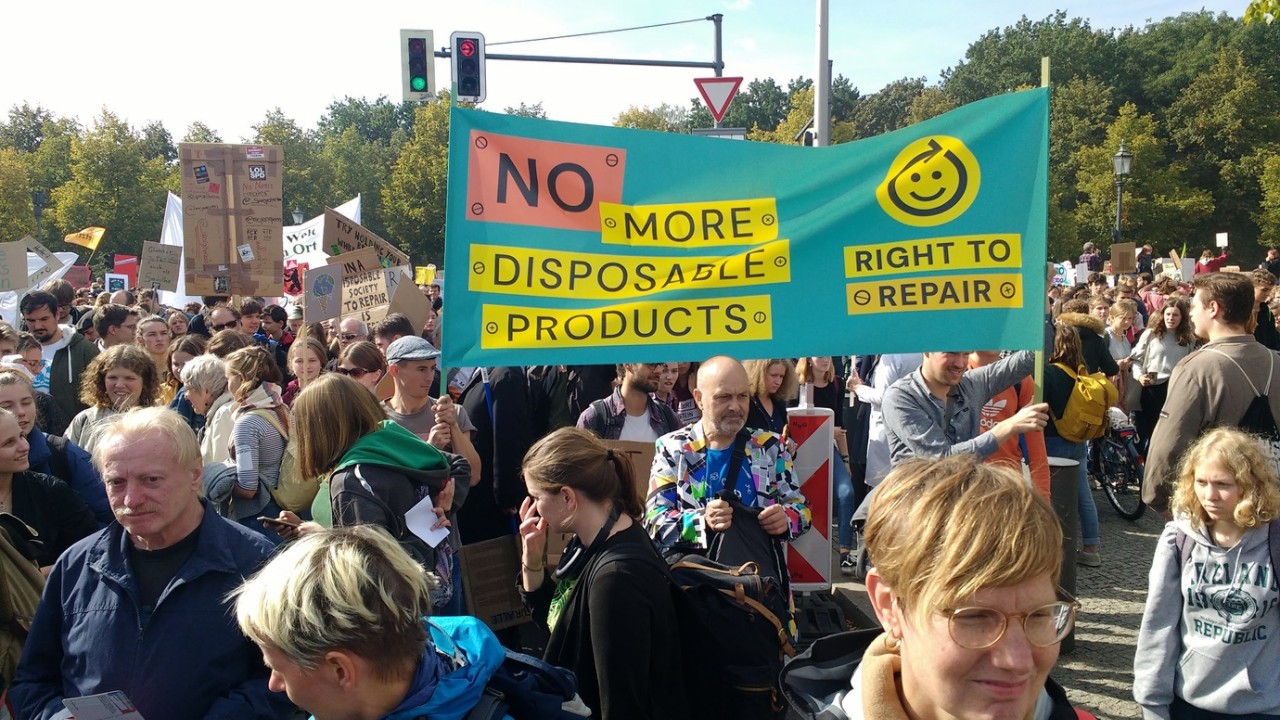
The public awareness is growing as well. The “Right to Repair Europe” campaign started in 2019 and has rapidly grown to over 40 organisations from more than 16 European countries. It says that 8 of 10 Europeans demand easier-to-repair devices from manufacturers.
All those Right to Repair movements share the same target: Waste reduction through better aftersales services and designing long-lasting products. Toyota’s KINTO Factory will be an answer to this political and public sentiment. To be started also in the UK, the KINTO Factory will refurbish leased vehicles every 3 years for 3 use cycles to extend the vehicle life.
Now the reader feedback to this announcement varies from criticism and skepticism to praising for “trying something new and thinking ahead for the environment”. In the long run, however, this approach of Toyota will surely get a broad public acceptance. In TMUK Buisiness Revenu Centre (BRC) refurbish section has been created and started working since 2017 in order to generate more revenue and to tranform for mobility company. This area covers post production operations, special service vehicle operations, used vehicle repair as well as new revenue up projects. ED² designers went to see the transformation and very impressed by their creativity as well as pushing boundary spirit.
米国州政府の半数以上が「修理の権利」を支持
また米国でも、2021年時点で27州が「修理権」法を導入または継続しており、同政策への広い支持が伺われる。同法は、電機メーカーにマニュアルやスペアパーツなど、修理に必要なアイテムへのアクセス提供を義務付けている。また一部の州では、医療機器など他部門の製品にも適用されている。
ビジネスと消費者に新たな視点
この動きは、ビジネスモデルを変え、耐久性・修理性をめぐる技術革新に加え、製品の寿命、修理の容易さ、環境への影響など、充分な情報に基づく消費行動を促すことにつながる。
例えばスウェーデンのElectrolux社では、ユーザーが簡単な修理は自分で出来るよう、オンラインや電話によるアドバイスを増やし、定額制の修理サービスを提供するなど、積極的に修理を推奨し「ブランドロイヤリティと信頼の構築」による長期的なビジネス効果を期待している。同社の定額制修理サービスは2020年に予約が20%増加し、好評を得ている。
世間の認知度も高まっている。2019年にスタートした「Right to Repair Europe」キャンペーンは、欧州16カ国40以上の団体が参加するまでに急成長した。それによれば、欧州人の8割が、より修理しやすい機器を要望しているという。
トヨタの答え:クルマを長持ちさせるKINTO Factory
これらの政策や運動が共に目指すのは、アフターサービスの充実と長持ちする製品の設計で廃棄物を削減すること。トヨタのKINTO Factoryは、車両の長寿化でその要求に応えるものだ。英国でも開始予定で、リース車を3年ごとに改修・再生し、3回の使用サイクルで車両の寿命を延ばす。
このKINTO Factory に対するネット上の反応は、批判や懐疑的なものから、「新しいことに挑戦し、環境のために先を考えている」といった賞賛まで、様々だ。しかし長期的には、このトヨタの取組みは必ず広く世間に受け入れられるはずだ。
TMUK Buisiness Revenu Centre (BRC)では、モビリティ企業への変革を図り、収益を高めるため、改装部門が設立され2017年から活動を開始した。同部門は、ポストプロダクション業務、特殊サービス車両業務、中古車修理、そして新たな収益向上プロジェクトを包括している。その変革の現場を見学したED²のデザイナー達は、その創造性と境界を押し広げる精神に非常に感銘を受けた。
________________
References