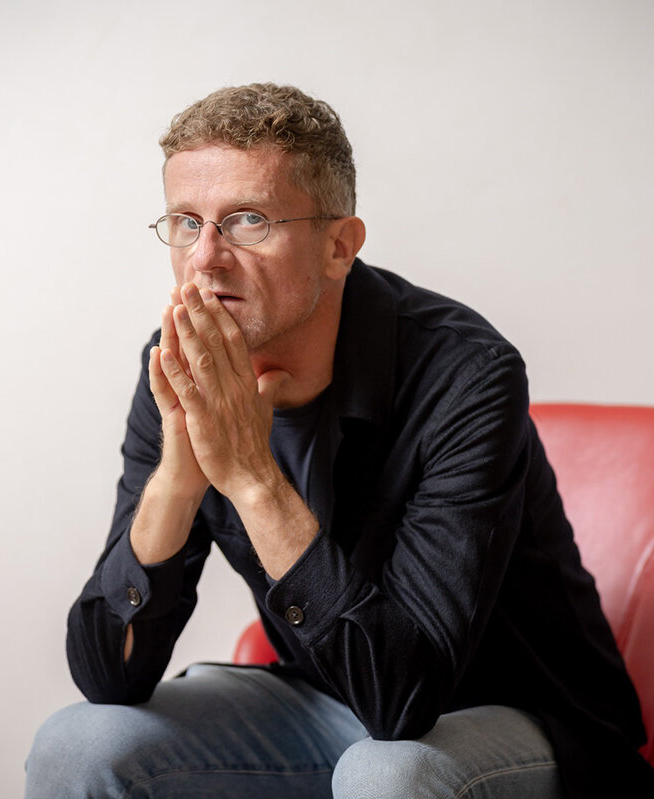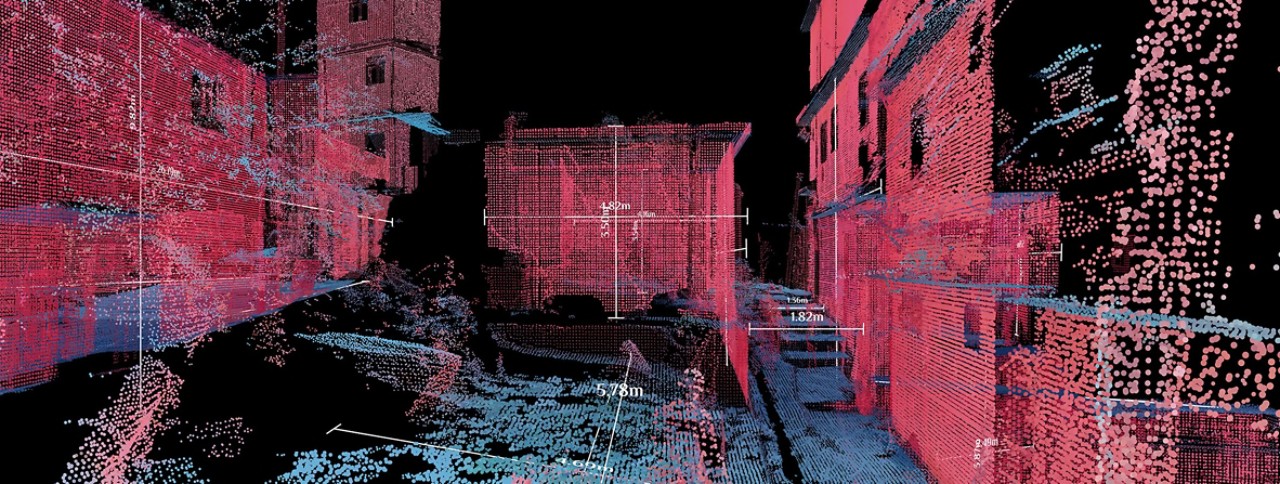

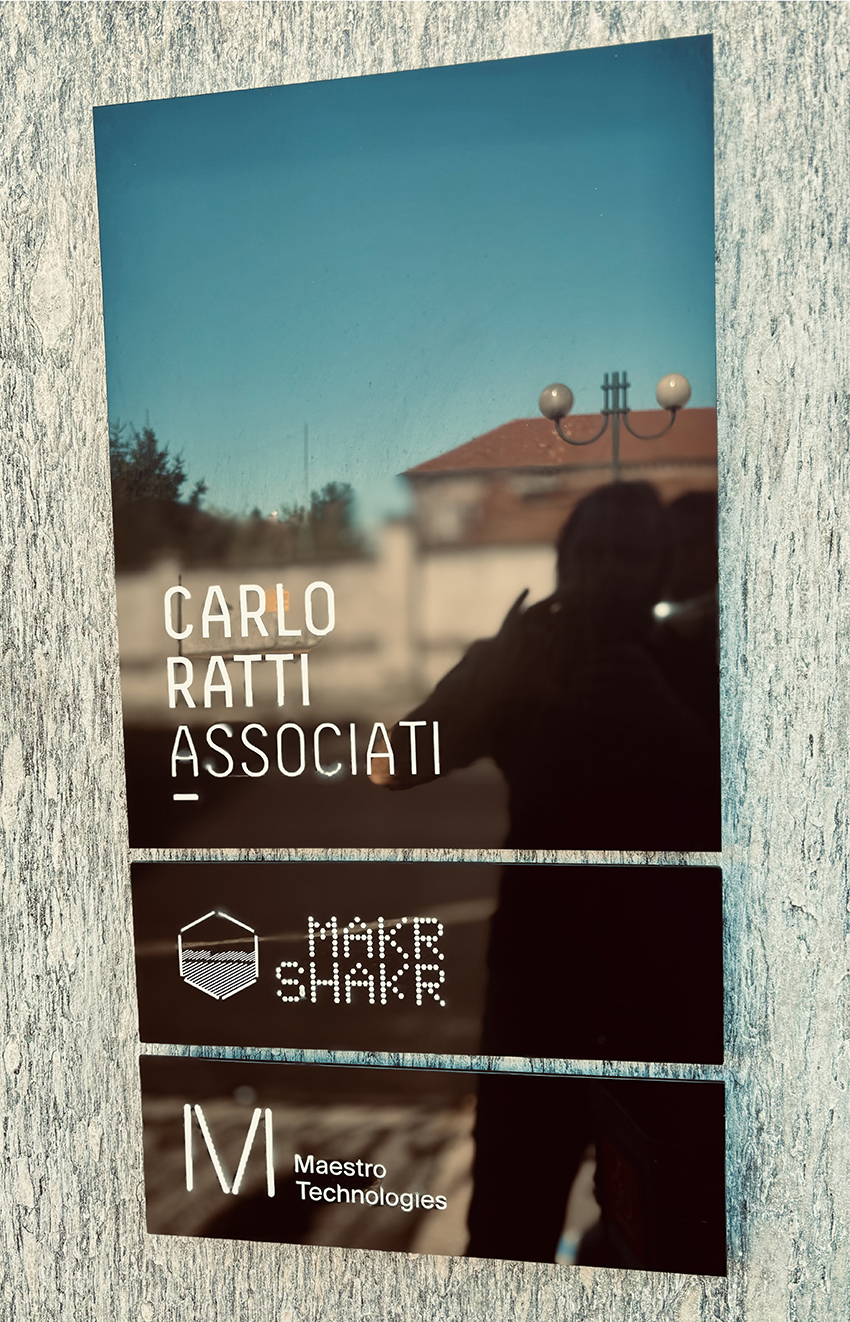
During our visit to Carlo Ratti's studio in Turin, we had the chance to explore firsthand how his team combines architecture, technology, and urbanism to create innovative solutions for modern cities. The studio's approach emphasizes the role of data and digital tools in shaping responsive and sustainable urban environments, which was evident in the projects they shared with us. It was an insightful experience into how they envision the future of urban spaces.
Recently nominated curator of the 19th International Architecture Exhibition of La Biennale di Venezia, he aims to foster a public conversation on our urban habitat, starting from his work at the intersection between academic research with his MIT Sensable City Lab, innovative design, and start-up entrepreneurship.
カルロ・ラッティの先見的なスタジオを訪問
持続可能な都市イノベーションの未来を探る
トリノにあるカルロ・ラッティのスタジオを訪問し、彼のチームが建築、テクノロジー、アーバニズムをどのように融合させ、現代都市のための革新的ソリューションを生み出しているのかを直に知る機会を得た。同スタジオでは、即応性が高く持続可能な都市環境を形成する上で、データとデジタルツールの役割を重視しており、それは私たちとの共同プロジェクトにも顕著に表れていた。彼らがどのように都市空間の未来像を描くのかを知り、洞察を深める貴重な体験だった。
最近では、ラッティは第19回ヴェネチア・ビエンナーレ国際建築展のキュレーターに指名され、MITセンサブル・シティ・ラボでの学術研究、革新的デザイン、スタートアップ精神を起点に、都市の居住環境における市民のコミュニケーションの促進を目指している。
Carlo Ratti is an Italian architect, engineer, and professor known for his innovative work at the intersection of design, technology, and urbanism. He is the founding partner of Carlo Ratti Associati, an architecture and design firm based in Turin, Italy, and serves as the director of the MIT Senseable City Lab, a research group that studies how digital technologies are changing the way people live and interact within cities.
Ratti's work often emphasizes the role of data and digital tools in shaping responsive, sustainable urban environments. He has been a pioneer in exploring how sensors, data analytics, and other emerging technologies can create "smart" or "senseable" cities that respond dynamically to the needs of their inhabitants. His projects span various fields, including architecture, urban planning, and product design, and often incorporate innovative solutions to enhance urban life, such as adaptive building systems, real-time environmental monitoring, and responsive public spaces.
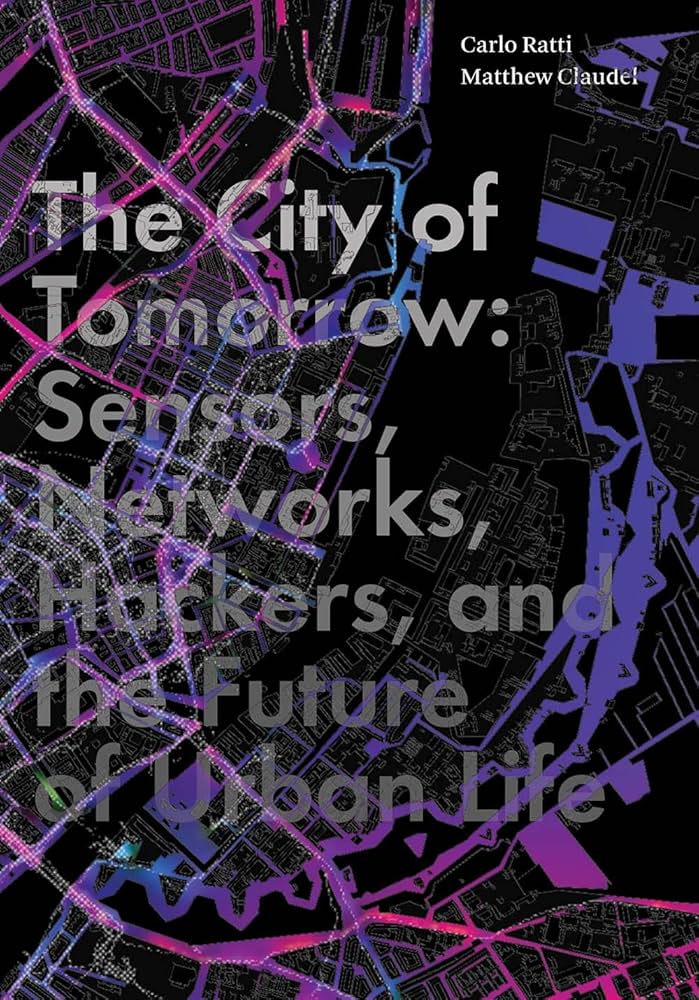
As an influential thinker and designer, Carlo Ratti has been recognized internationally for his contributions to urban design and technology. He has lectured widely and published extensively on topics related to smart cities and the future of urbanism. His work reflects a commitment to blending human-centered design with cutting-edge technology to create more livable and sustainable cities.
カルロ・ラッティ
カルロ・ラッティはイタリアの建築家、エンジニア、教授で、デザイン、テクノロジー、アーバニズムおける革新的な活動で知られる。イタリア・トリノを拠点とする建築・デザイン事務所カルロ・ラッティ・アソシエイツ (CRA) の設立パートナーであり、デジタル技術が人々の都市生活や交流のあり方をどう変化させるかをテーマとする研究グループ、MITセンサブル・シティ・ラボのディレクターを務める。
前述のように、即応性の高い持続可能な都市環境を形成する上でラッティが強調するのは、データとデジタルツールが果たす役割だ。彼は、住民のニーズに即応する「スマート」あるいは「感じることのできる」都市を、センサー、データ分析、その他の新技術がいかに創造し得るかを探求するパイオニアである。彼のプロジェクトは、建築、都市計画、製品デザインなど多岐の分野にまたがり、適応性のある建築システム、リアルタイムの環境モニタリング、即応性の高い公共スペースなど、都市生活を向上させる革新的なソリューションを取り入れている。
また、影響力を持つ思想家・デザイナーとして、彼の都市デザインとテクノロジーへの貢献は国際的に認められており、スマートシティやアーバニズムの未来についての講演や出版を幅広く行っている。より住みやすく持続可能な都市づくりのために、人間中心のデザインと最先端技術を融合させるというコミットメントが、彼の仕事に反映されている。
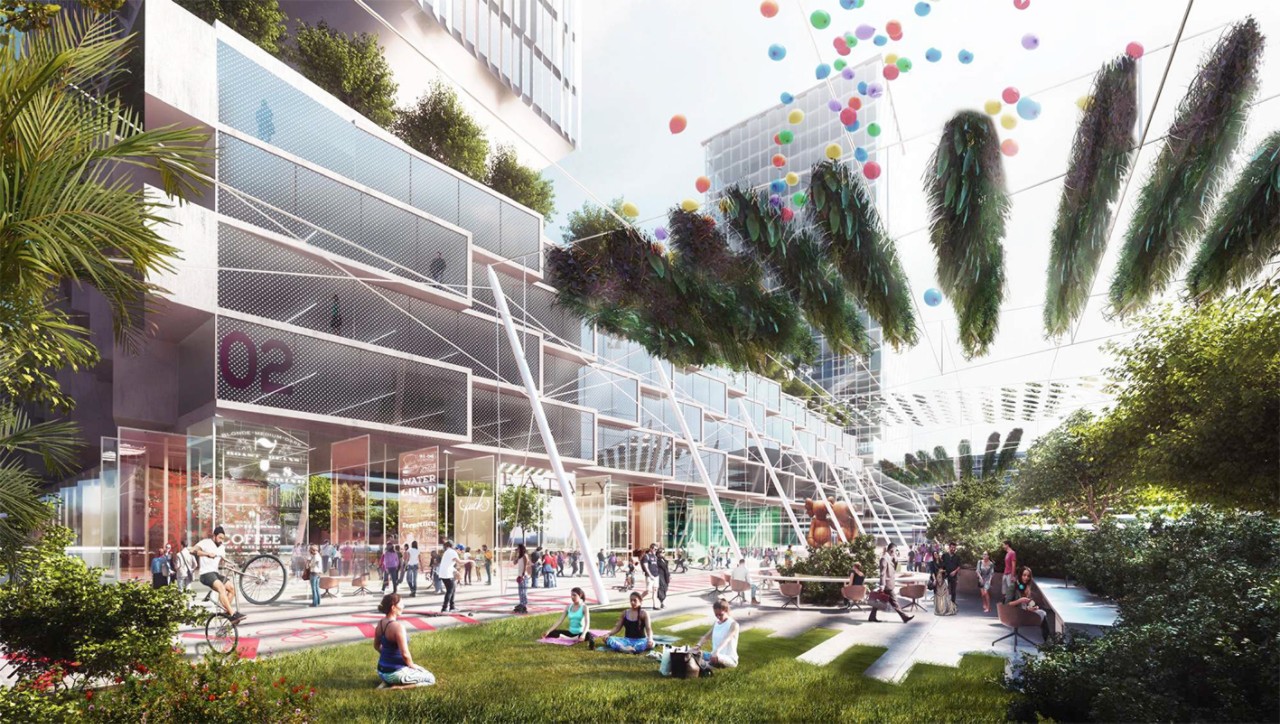
Carlo Ratti Associati, in collaboration with the MIT Senseable City Lab, explores how emerging technologies can shape urban environments. Their work often focuses on leveraging data and digital tools to improve the livability, sustainability, and efficiency of cities. By blending design and technology, they seek to create spaces that respond dynamically to residents' needs.
A few key projects include:
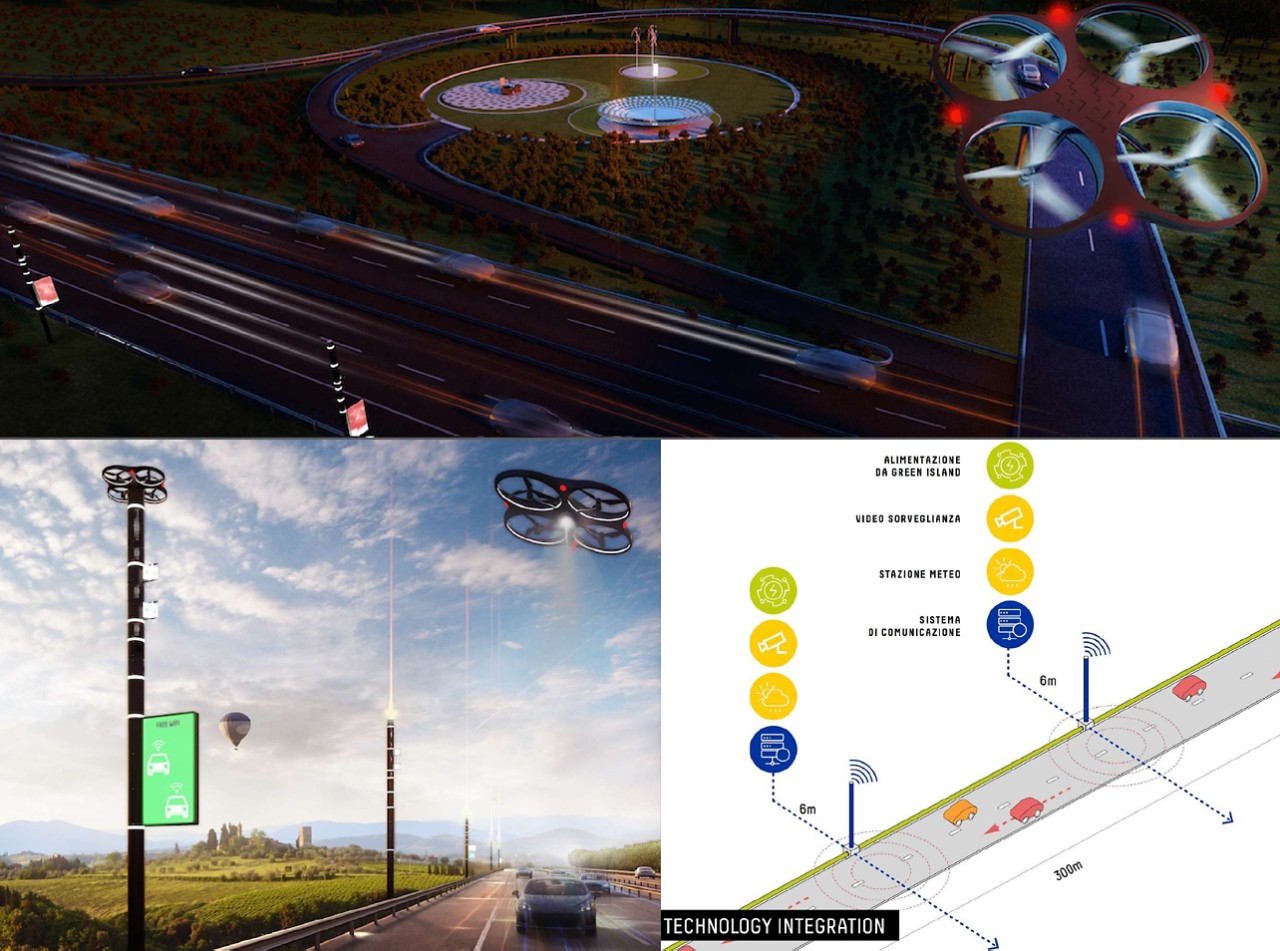
Carlo Ratti Associati Project partnered with Italy’s road agency ANAS to design a Smart Highway program that covers over 2,500 kilometers of roads and highways. This program features “flying poles” equipped with sensors and Wi-Fi, enabling real-time data collection and communication with both drivers and selfdriving vehicles. Drones, launched from these poles, are aimed to monitor roads, deliver first-aid supplies, and detect incidents. The project aims to enhance road safety, efficiency, and traffic management by integrating digital technology with physical infrastructure, paving the way for future autonomous
CRAとMITセンサブル・シティ・ラボ
カルロ・ラッティ・アソシエイツは、MITセンサブル・シティ・ラボとの共同で、新技術がいかに都市環境を形成するかを研究している。都市の住みやすさ、持続可能性と効率性を向上させるために、データやデジタルツールの活用に重点を置き、デザインとテクノロジーの融合により、住民のニーズに即応できる空間の創造を目指している。
CRAの主なプロジェクトを幾つかご紹介する:
1. アナス・スマートロード
イタリアの道路公団ANASと提携し、2,500 kmを超える道路と高速道路をカバーするスマート・ハイウェイ・プログラムを設計。センサーとWi-Fiを搭載した「空飛ぶポール」が特徴で、リアルタイムのデータ収集に加え、ドライバーと自動運転車との通信が可能だ。
また、これらのポールから発射されるドローンは、道路を監視し、救急物資を届け、事故を検知する。同プロジェクトは、デジタル技術と物理的インフラを統合することで、道路の安全性、効率性、交通管理を強化し、将来の自律走行への道を開くことを目的としている。
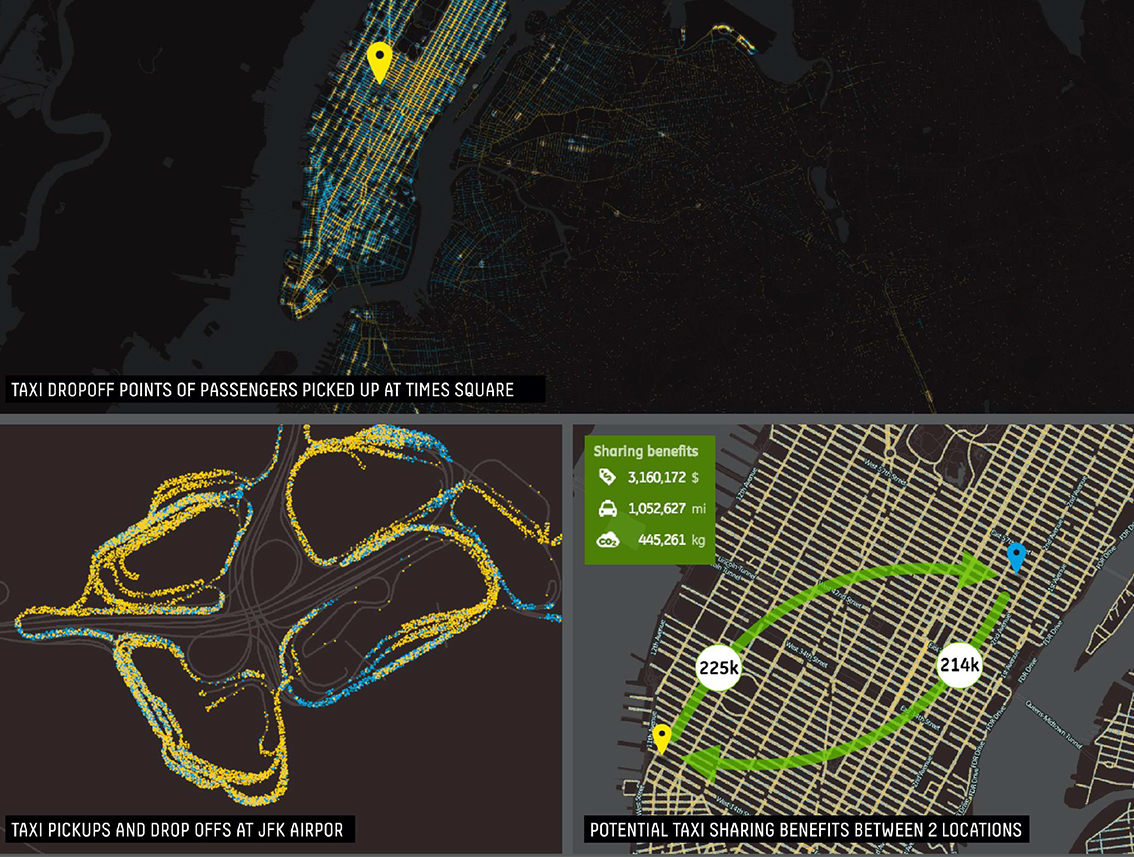
MIT Senseable City Lab HubCab is an interactive visualization tool that explores over 170 million taxi trips in New York City, providing detailed insights into urban mobility patterns. By analyzing where and when taxis pick up and drop off passengers, HubCab identifies zones of high activity and uncovers potential for shared rides, which could lead to reduced congestion, lower costs, and decreased CO2 emissions. The tool is based on a vast data set from 2011, covering all 13,500 Medallion taxis. HubCab’s backend relies on sophisticated data processing and mapping technologies, offering users a unique perspective on how taxis connect the city and highlighting opportunities for more efficient transportation systems.
2. ハブ・カブ
MITセンサブル・シティ・ラボのハブ・カブは、ニューヨーク市の1億7000万回を超えるタクシー利用を網羅するインタラクティブな可視化ツールで、都市の移動パターンを詳細に知ることができる。乗客の乗降場所と時間を分析し、タクシー利用頻度の高いゾーンを特定することで、混雑緩和、コスト削減、CO2排出量削減につながるシェアライドの可能性を示す。市内の正規タクシー13,500台すべてを網羅し、2011年からの膨大なデータセットを基盤とする同ツールは、高度なデータ処理とマッピング技術で都市のタクシー網の状態を可視化し、より効率的な交通システムの可能性を明らかにしている。
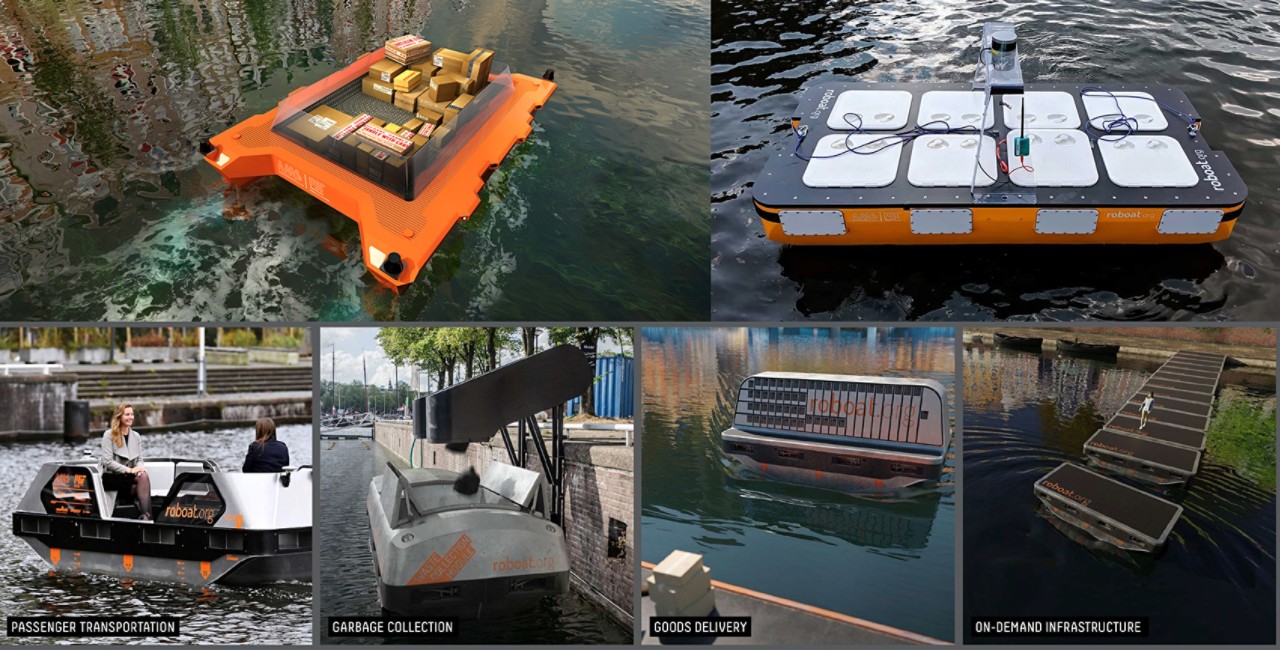
MIT Senseable City Lab Roboat is the world’s first major research program on autono- mous floating vessels in metropolitan areas. It allows for creating dynamic infrastructures, transportation of goods and people, and environmental sensing on Amsterdam’s canals.
3. ロボート
MIT センサブル・シティ・ラボのロボートは、大都市圏における自律型浮体船に関する世界初の研究プログラム。アムステルダムの運河で、大規模インフラの構築、物と人の輸送、環境センシングを可能にする。
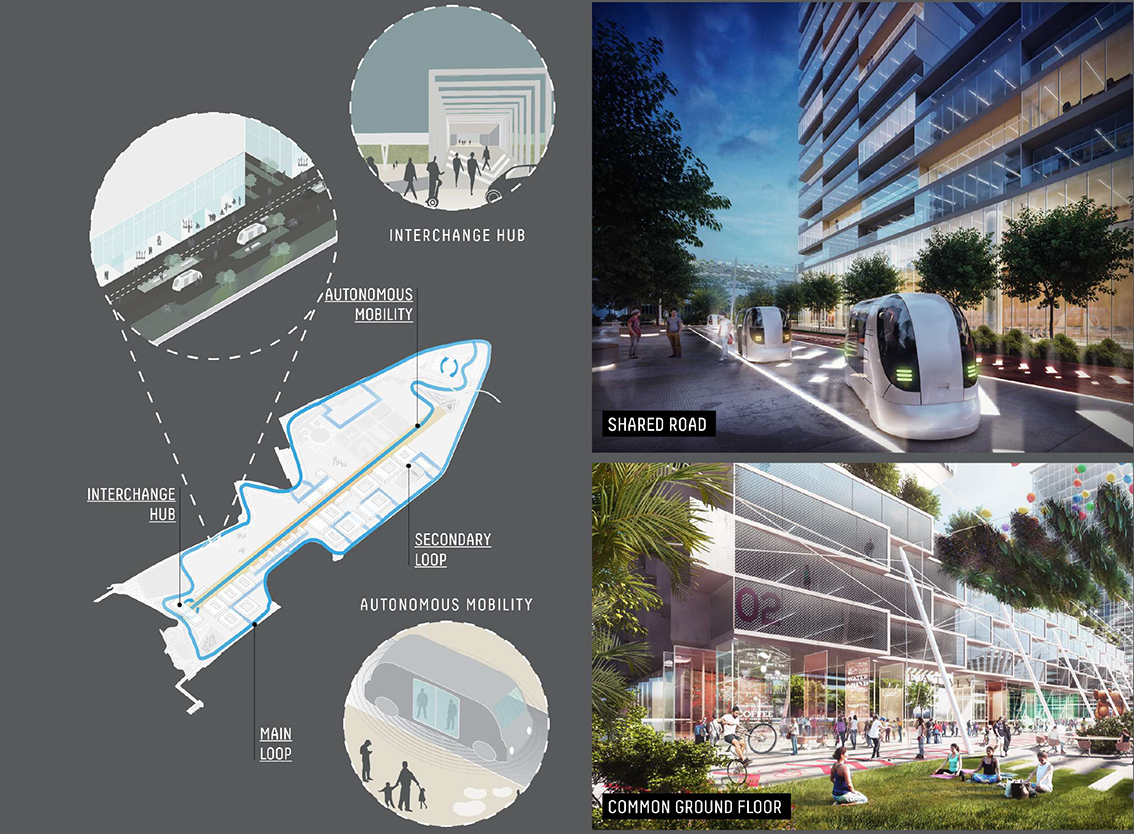
The plan sets new standards for urban transformation, creating a green neighborhood with vibrant public life. Using an open-source approach, buildings can be reconfigured to meet changing needs. The project’s pioneering spirit extends to the field of mobility.
The area’s streets and roads, starting from the Decumanus, will, over time, become accessible to self-driving vehicles exclusively, in a move that anticipates the widespread changes brought about by autonomous cars. The result will be an increasingly shared approach to transportation, with fewer vehicles needed to satisfy the community’s mobility demands, and with positive consequences expected in terms of less traffic, improved environmental quality, and new business opportunities.
4. マインド・ミラノ
緑豊かな環境で活気あふれる都市生活を創造する、都市改造の新たな基準を創設することである。オープンソースを採用し、変化するニーズに合わせて建物を再構成することも可能だ。
モビリティ分野では、同エリアの道路や街路は、主要道路を皮切りに徐々に自動運転車専用となる。その結果、地域の移動需要を満たすために必要な車両の数が減り、交通量の減少、環境の質向上、新たなビジネスチャンスなどが期待できる。
The visit was highly enriching and promising in terms of potential synergies. Their ecosystemic approach to urban design positions them as a valuable partner for several ongoing projects. It will certainly be interesting to see how this collaboration unfolds in the future!
感想・考察
今回の訪問は、非常に充実したものであり、潜在的な相乗効果という点で有意義だった。彼らの都市デザインに対するエコシステム的アプローチは、現在進行中の私たちのプロジェクトにとって大変有用で、先進的な建築家のカルロは貴重なパートナーとなりえると考える。今後、このコラボレーションがどう展開していくのか、非常に興味深い!
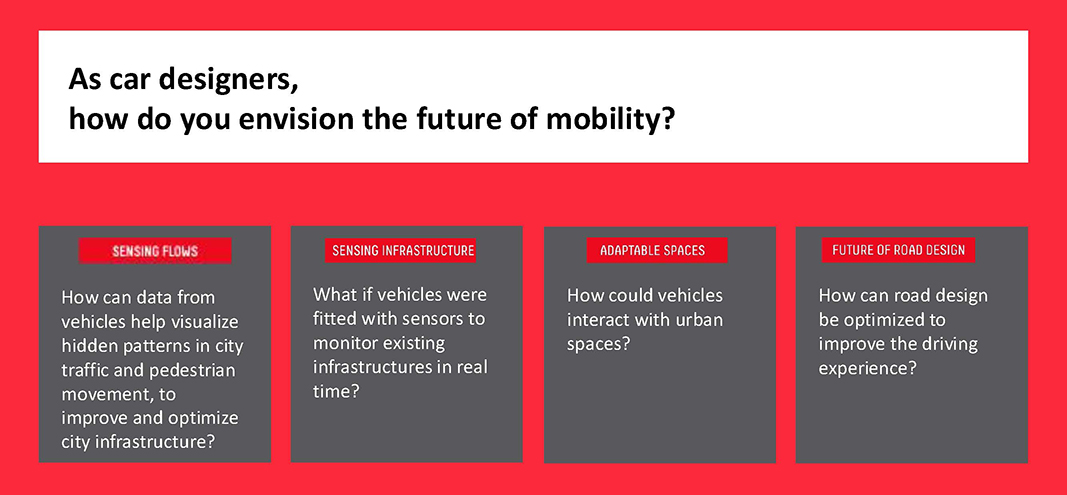
’We have this condition where digital technology is becoming increasingly smaller and distributed in the environment. In a certain sense, this is the first time ever we can describe a city in real time.’
’The city is a universe. It can be viewed through the lens of economics or sociology or architecture and design. But a lab focused on cities truly requires an omni-disciplinary approach.’