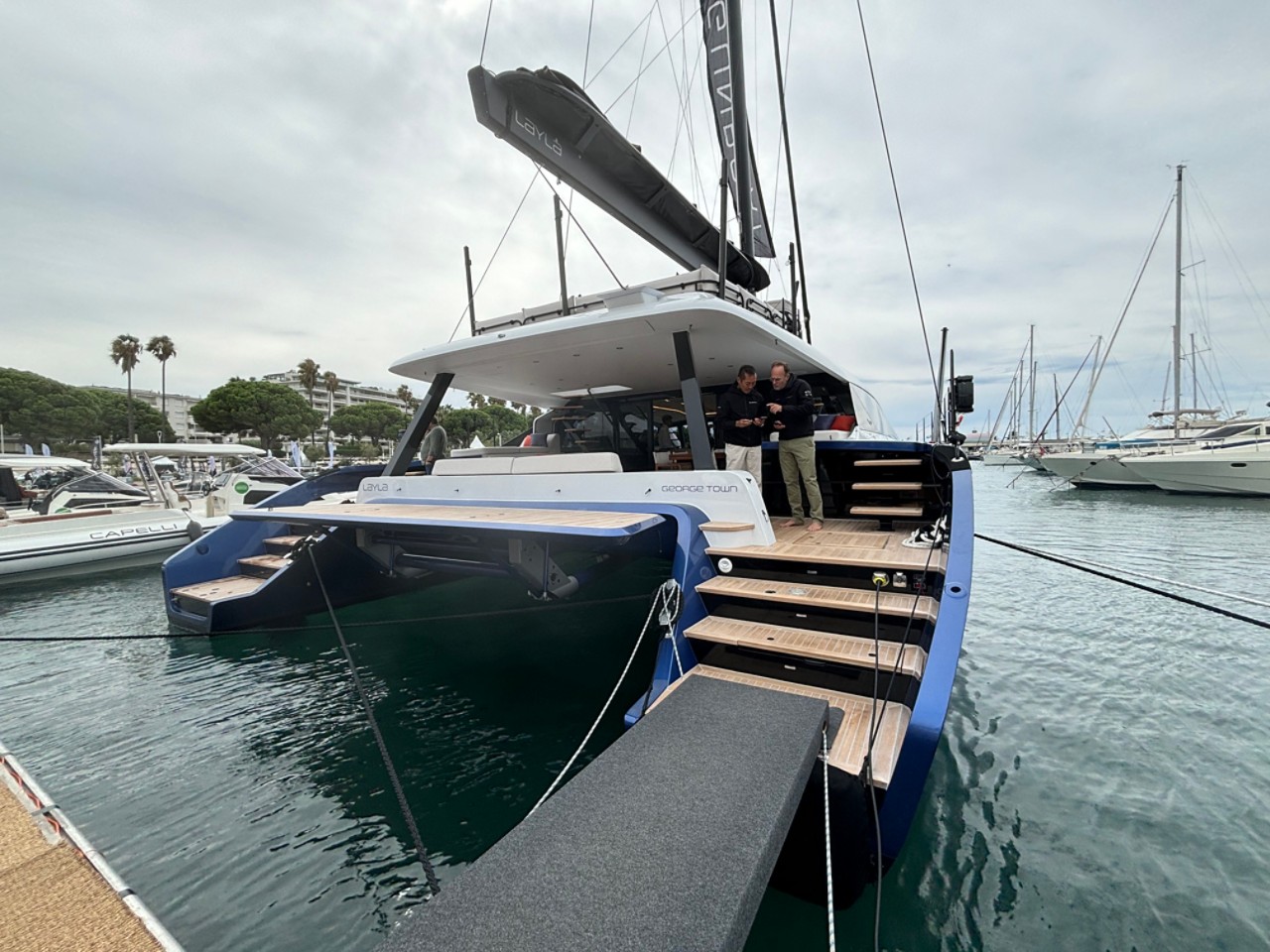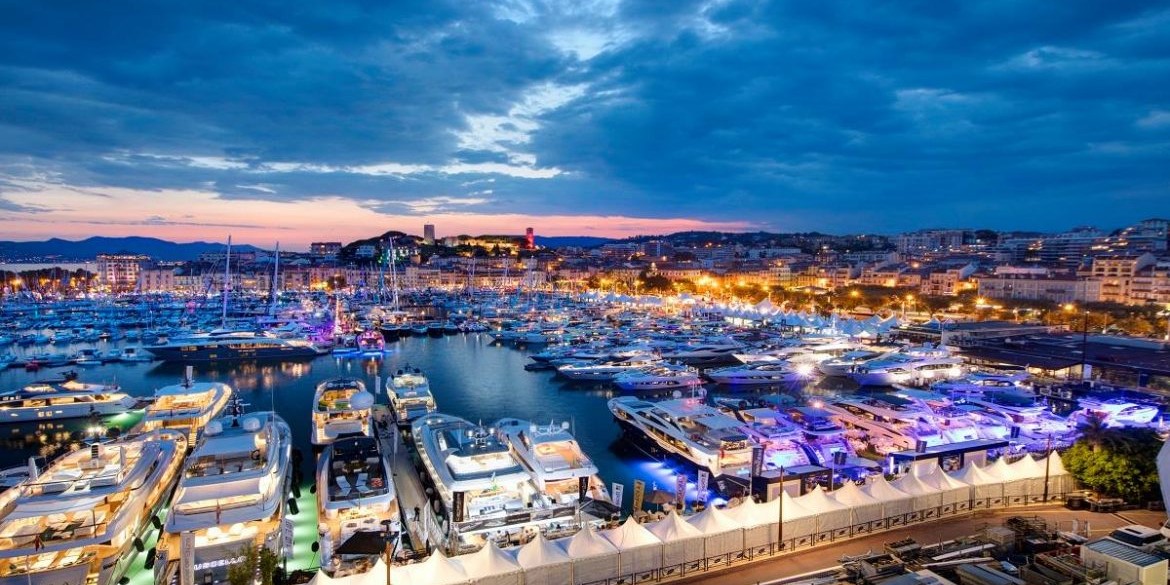

The article explores the evolving world of yachting, particularly its innovation and sustainability challenges, based on insights from two major yachting events: the Cannes Yachting Festival and the Monaco Yachting Show. In Cannes, boats typically range from 10 to 30 meters, including the Gunboat72, known for its speed and design, and Lagoon, a brand representing comfort and cruising. Monaco, on the other hand, showcases much larger superyachts, often exceeding 50 meters, but access is more restricted, allowing only limited insights into the construction materials, especially interior finishes.
A central theme is the paradox between yachting’s adventurous, nature-driven ethos and its environmental impact. Sailboats, in particular, offer an eco-friendly way to explore the sea, relying on wind power and providing a close connection to nature. However, this harmony is superficial when considering the broader carbon footprint and the materials used in yacht construction, with the majority of emissions stemming from the vessel’s usage. Efforts to integrate sustainable practices, such as green propulsion systems and eco-friendly materials, are emerging but remain limited and marginal within the industry.
Another key issue is the lifecycle of yachts, which are often owned for just 3 to 5 years. Retrofitting these vessels is a concern, prompting companies like Lagoon to explore modular designs for easier updates. Meanwhile, firms like Arkema are innovating with resins that could help at the boat’s end-of-life stage. Despite these efforts, progress is slow, largely due to the absence of strong regulatory frameworks to drive sustainable practices.
While there are promising initiatives in the luxury sector to adopt more eco-friendly practices, the yachting industry lags behind. Improving sustainability in yachting is essential not only for protecting marine ecosystems but also for standing out in a competitive market.
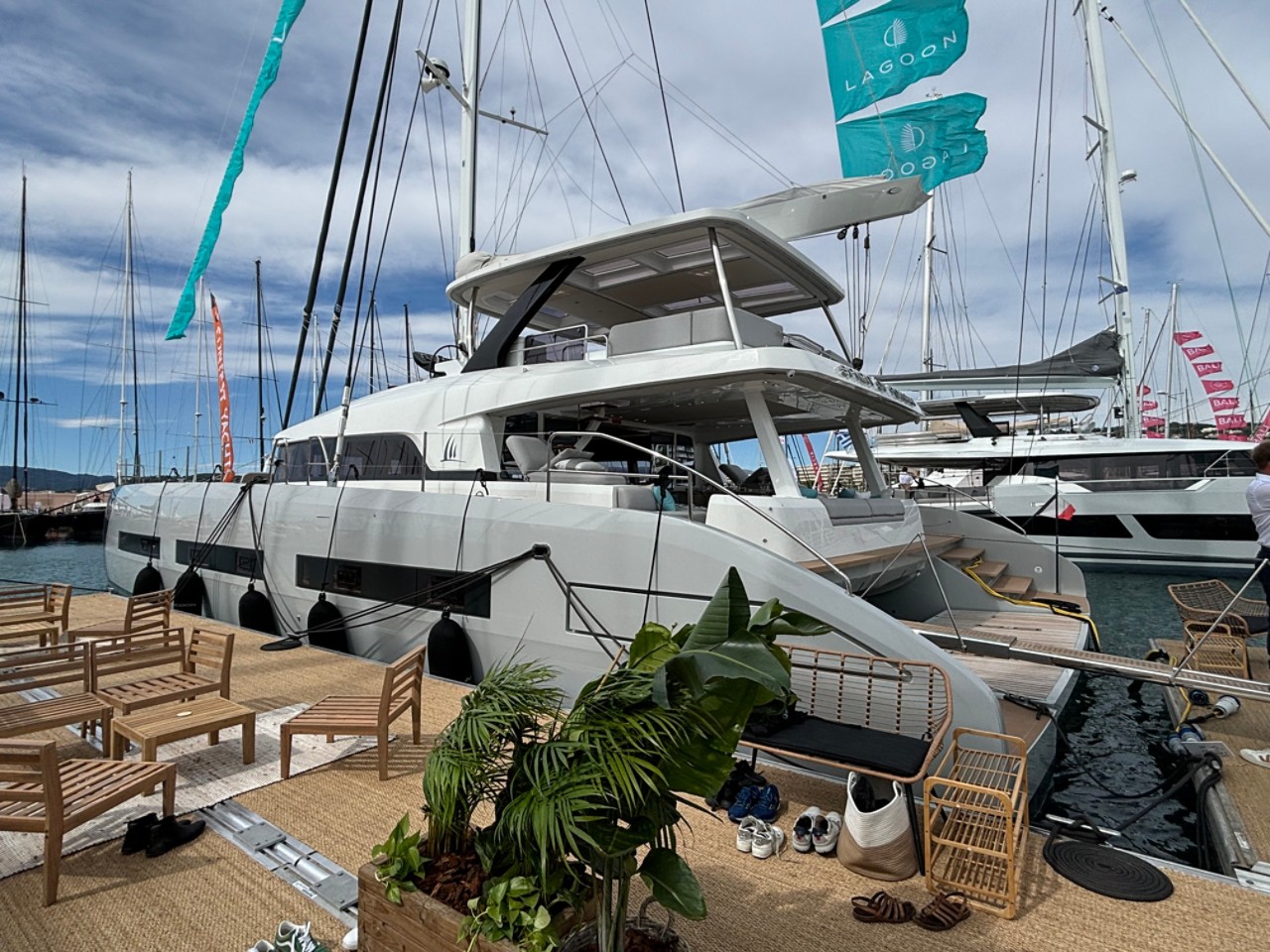
この記事は、2つの主要ヨットイベントであるカンヌ・ヨットフェスティバルとモナコ・ヨットショーで得た知見から、進化するヨットの世界、特にその革新性と持続可能性への挑戦を探究するものだ。カンヌでは、スピードとデザインで知られるGunboat72や、快適性とクルージングを代表するブランドLagoonなど、通常10〜30メートルのボートが展示される。一方モナコでは、50メートル超の大型スーパーヨットの展示が多く、アクセスが制限されているため、建材、特に内装仕上げについては限られた見識しか得られない。
メインテーマは、冒険的で自然を重んじるヨットの精神と環境への影響とのパラドックスである。 特に帆船は、風力を利用し自然と密接につながり、環境に優しい海の探索手段となる。しかしヨットの建材やカーボンフットプリントを考慮に入れると、この自然との調和は表面的なものに過ぎず、CO2排出量の大部分はヨットの使用によるものだ。環境に優しい素材や推進システムの採用など、持続可能性への努力は始まっているが、業界内ではまだ限定的である。
また、所有期間がわずか3〜5年というヨットのライフサイクルも、重要な問題だ。 こうした船舶の改修は懸念事項であり、Lagoonなどの企業はアップデートし易いモジュール設計を模索している。 一方Arkemaなどは、船の寿命が尽きた段階で役立つ可能性のある樹脂の開発で、技術革新を行っている。 こうした努力にもかかわらず、進歩が遅れている要因は、持続可能な取り組みを推進する強力な法的枠組みが無いことだ。
ラグジュアリー分野で環境に優しい取り組みが進む中、ヨット業界は遅れをとっている。ヨットの持続可能性の向上は、海洋生態系の保護のみならず、競争の激しい市場で際立つためにも不可欠だ。