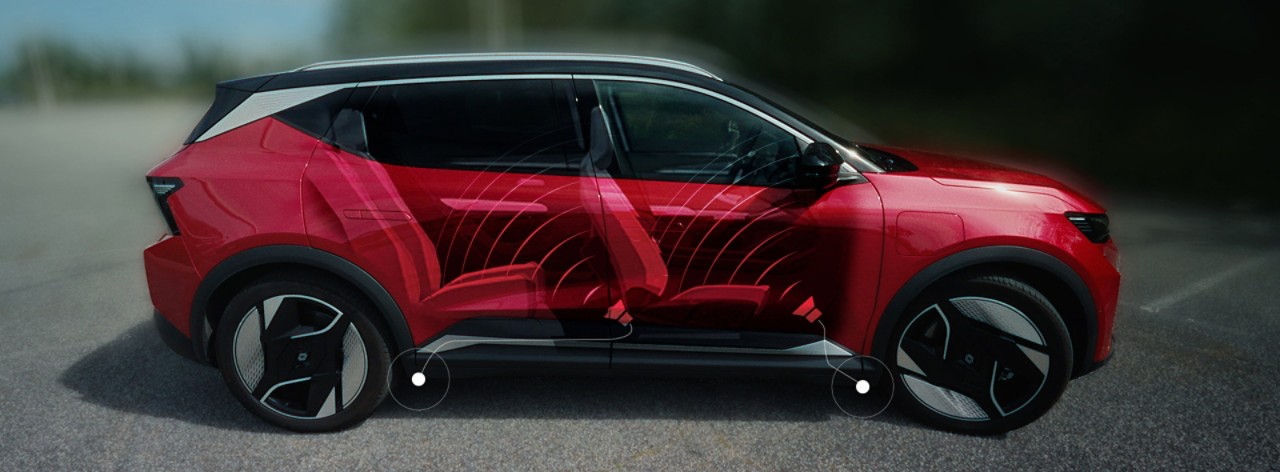

Renault recently introduced APACHE, a device that records and analyzes road noise, especially from tire friction. While electric vehicles reduce engine noise, this only accounts for about 20% of total car noise, with the majority coming from tires. APACHE addresses this by identifying road roughness and classifying roads based on noise levels. The data can be shared with local authorities to target roads needing improvement. According to Renault engineer Thomas Antoine, this benefits everyone by improving road conditions and reducing noise pollution.
Residents near busy roads will benefit first, as smoother asphalt leads to a quieter environment. There are also ecological benefits: smoother roads reduce fuel consumption. Bruitparif estimates that renovating the Paris ring road could save 16,000 tons of CO2 per year, offsetting emissions in just 3.5 years.
Moreover, reducing noise benefits health. The WHO reports that 20 million Europeans suffer from noise pollution, which disrupts sleep and mental health. In Île-de-France, 80% of residents are affected, with cars being a major contributor.
Apache Technology for road conditions - Less noise, more sound - Renault Group
Bruitparif, le centre d'évaluation technique de l'environnement sonore en Ile-de-France.
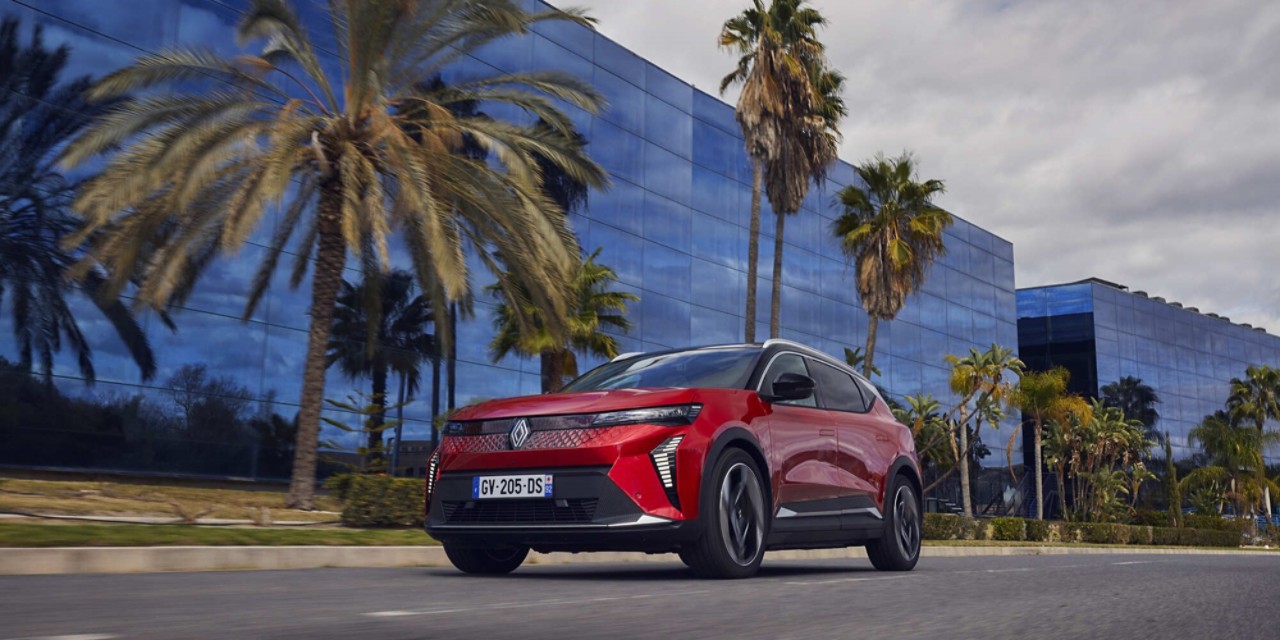
ルノーは最近、道路騒音、特にタイヤの摩擦音を記録・分析する装置「APACHE」を発表した。電気自動車はエンジンの騒音を低減するが、これは自動車騒音全体の約20%に過ぎず、大部分はタイヤによる騒音である。 APACHEは、路面の粗さを特定し、騒音レベルに基づき道路分類することで、タイヤの騒音問題に取り組んでいる。このデータは地方自治体と共有され、改善が必要な道路の特定に使われる。ルノーのエンジニア、トマ・アントワーヌによれば、道路状況を改善し騒音公害を減らすことで、すべての人にメリットがあるという。
アスファルトが滑らかになると静かな環境になるため、交通量の多い道路に近い住民がまず恩恵を受ける。また、道路が滑らかになると燃費も向上する。フランスの環境団体Bruitparifの推計では、パリの環状道路を改修することで年間16,000トンのCO2削減が可能で、わずか3.5年で排出量を相殺できるという。
さらに、騒音の低減は健康改善にもつながる。 WHOの報告によると、2000万人のヨーロッパ人が騒音公害に苦しんでおり、睡眠や精神衛生に支障をきたしている。イル・ド・フランス(パリ周辺地域)では、住民の80%が騒音被害を受けており、自動車がその主な原因となっている。
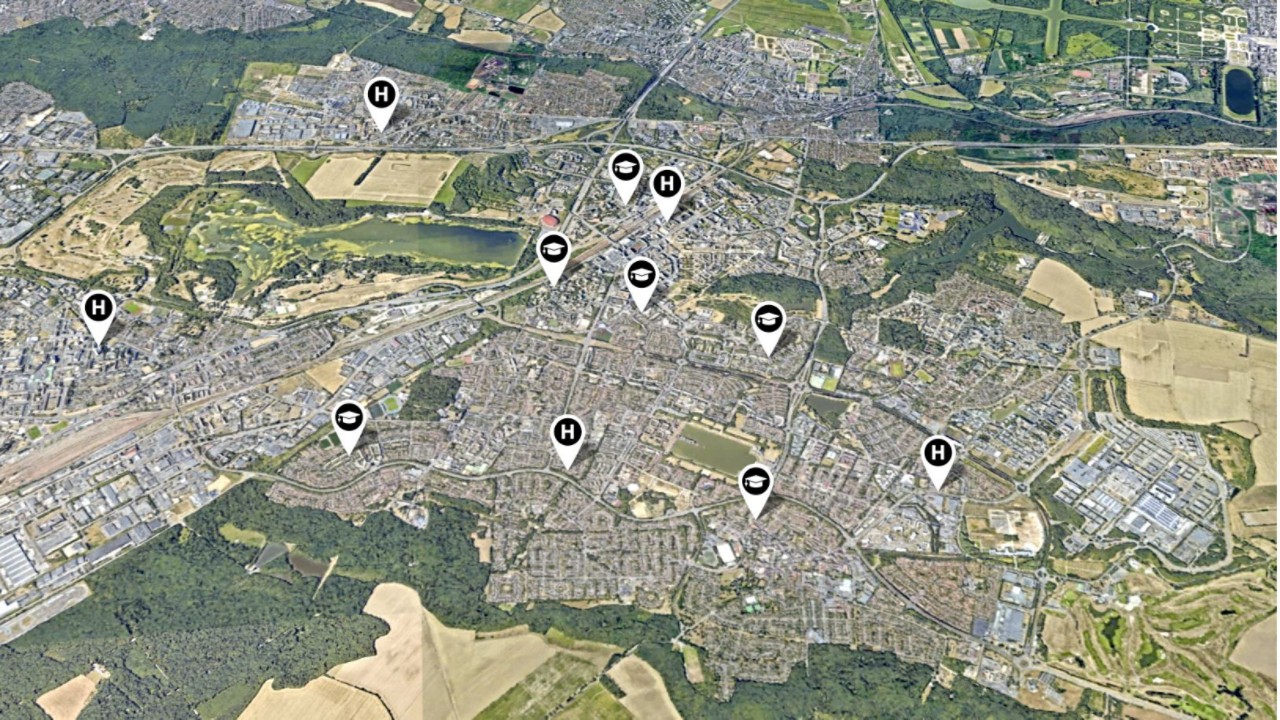
’ Bruitparif has calculated that 1 euro invested in roads represents 17 to 20 euros saved on the social cost of noise. To give a concrete example, refurbishing the Paris ring road, the busiest road in Europe, would divide noise levels by around four, and become a carbon neutral project within 3.5 years by saving 16,000 tonnes of CO2 per year. ’