
The fashion industry, which once aligned itself with progressive causes like sustainability, diversity, and inclusivity, is now experiencing a backlash. A reactionary turn—fueled by political shifts such as Donald Trump’s return to power—has led brands to step back from ecological and social commitments in favor of more conservative, commercially safe messages.
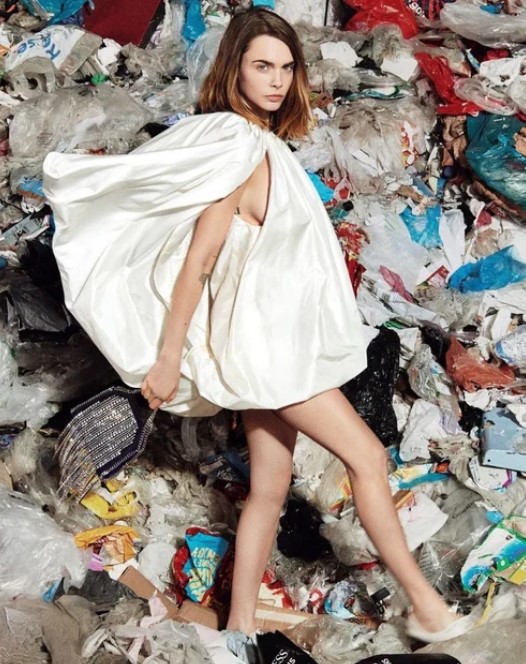
Eco-responsible fashion, once a strong driver of image and innovation, has lost traction. Notable signals include LVMH selling its stake in Stella McCartney, long associated with ecological leadership, and the reemergence of controversial figures previously criticized for unethical practices. Activists like Céline Semaan of Slow Factory warn that sustainability efforts risk being rolled back by more than a decade, undermining the progress made since the 2010s.
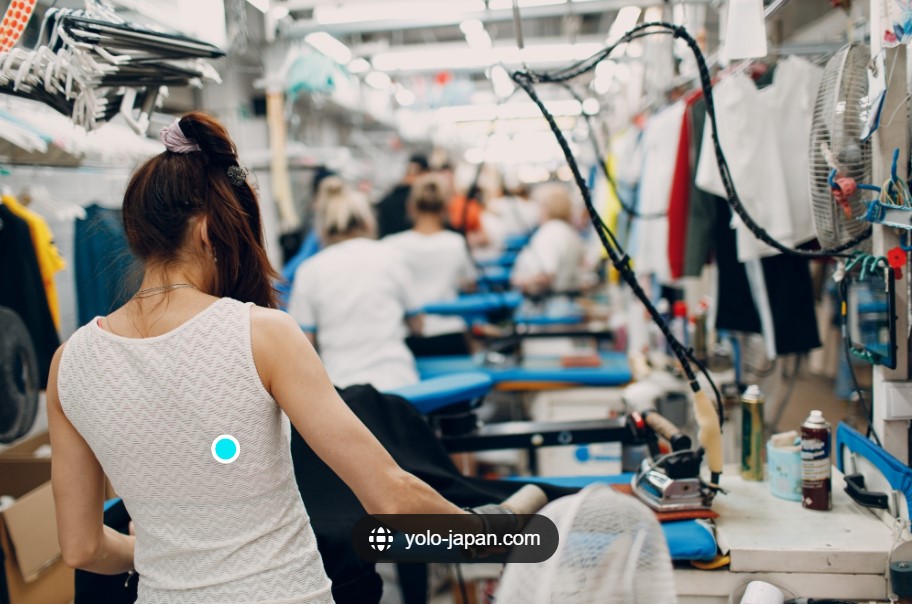
At the same time, scandals in Italy have exposed exploitative labor practices in luxury supply chains (Armani, Dior, Valentino, Loro Piana), raising doubts about brands’ claims of social and environmental responsibility. Regulators have even fined companies like Armani for misleading sustainability marketing. This highlights the fragility of “green” branding when it collides with profit pressures and political headwinds.
Instead of ecological responsibility, today’s aesthetic trends emphasize retro glamour, fast consumer appeal, and animal-based materials like fur and shearling—often marketed as nostalgic rather than ethical. Even where faux fur is used, the symbolism undermines earlier commitments to animal welfare and sustainable alternatives.
Industry analysts argue that the decline of sustainability initiatives is linked to both consumer fatigue and the political climate. Companies are increasingly wary of being “too political,” preferring neutral or retrograde imagery over climate advocacy. The result is what critics describe as “boom boom” culture: a focus on surface spectacle over substance.
Despite this retrenchment, a few independent designers and smaller labels continue to uphold sustainability values, combining creative innovation with commitments to ecological and social justice. However, among the large luxury groups, the overall trend is one of retreat from sustainability, with profitability and cultural conservatism taking precedence.
Fashion’s retreat from sustainability mirrors dynamics seen in other sectors, particularly automotive. Like fashion, carmakers once invested heavily in progressive, eco-friendly narratives: electric vehicles, hybrid technologies, and green branding dominated their communication. But under political and economic pressure, some manufacturers are slowing EV rollouts, re-emphasizing traditional combustion engines, or shifting rhetoric toward “consumer choice” rather than ecological responsibility.
Just as fashion brands now risk greenwashing through superficial eco-marketing while returning to environmentally damaging practices, automakers face accusations of inflating their climate commitments while continuing high-emission production. Both industries illustrate how sustainability can be treated as a trend rather than a long-term transformation—embraced when politically and commercially advantageous, but abandoned when conditions change.
If fashion’s backpedaling is any indication, other industries may also deprioritize ecological goals when facing political conservatism, economic slowdown, or consumer backlash. This suggests that sustainability is still fragile: without regulatory pressure and strong consumer demand, even the most innovative brands risk sliding back into old habits.

かつて持続可能性、多様性、インクルーシブといった進歩的大義とつながっていたファッション業界は、今や逆境に直面しています。ドナルド・トランプの政権復帰などの政治的変化に煽られた反動で、ファッションブランドは環境や社会へのコミットメントから離れ、より保守的で商業的に安全なメッセージを掲げるようになりました。 かつてはイメージとイノベーションの強力な原動力だったエコレスポンシブルファッションは、今では人気を失っています。その顕著な例が、長年環境保護リーダーシップの象徴であったステラ・マッカートニー部門のLVMHによる株式売却や、かつて非倫理的行為で批判されていた人物の返り咲きなどです。Slow Factoryのセリーヌ・セマーンらの活動家は、持続可能性の取り組みが10年以上後退し、2010年代以降の進展が無に帰す恐れがあると警告しています。
同時に、イタリアでのスキャンダルは高級サプライチェーン(アルマーニ、ディオール、ヴァレンティーノ、ロロ・ピアナ)による搾取的な労働慣行を暴露し、これらのブランドが提唱してきた社会的・環境的責任に疑問を投げかけています。またアルマーニなどの企業は、誤解を招くサステナビリティマーケティングに対し、規制当局から罰金を科せられてもいます。これは収益性の圧力や政治的逆風に対する「グリーン」ブランドの脆弱性を浮き彫りにしています。
環境保護に代わる今日の美的トレンドは、レトロなグラマー、消費者への即座なアピール、毛皮やシアリングのような動物由来素材で、倫理よりノスタルジックさを謳うマーケティングです。フェイクファーを使う意図も、以前のような動物保護や持続可能な代替手段というコミットメントとは異なります。
業界アナリストは、持続可能性への取り組みの低下は、消費者の疲弊と政治情勢の両方に関連するとしています。企業は「政治的すぎる」ことを警戒し、気候変動対策の提唱よりも、中立的または逆行的イメージを好む傾向にあります。その結果、批評家が「ブーム・ブーム」文化と呼ぶものが生まれました。内容よりも表面的な見世物を重視する文化です。
にもかかわらず、少数の独立デザイナーや小規模ブランドは、持続可能性の価値を守り続け、創造的イノベーションと環境や社会へのコミットメントを融合させています。しかし大手ラグジュアリーグループの間では、持続可能性から後退し、収益性と保守的文化を優先する傾向が見られます。
この傾向は他分野、特に自動車分野にも見られます。ファッション同様、かつての自動車産業は進歩的で環境に優しい技術に多大な投資を行い、電気自動車、ハイブリッド技術、グリーンブランディングがコミュニケーションの中核でした。しかし今、政治的・経済的圧力の下で、一部のメーカーはEVの展開を遅らせ、従来の内燃エンジンが再注目され、自社の環境的責任ではなく「消費者の選択」へと言い方を変えたりしています。
ファッションブランドが表面的なエコマーケティングでグリーンウォッシュのリスクを負いながら環境破壊的な慣行に戻るのと同様、自動車メーカーも高排出量生産を継続しつつ気候変動対策の公約を誇張している、と非難されています。両業界とも、持続可能性が長期的変革ではなくトレンドである実態を浮き彫りにしています。政治的・商業的に有利な時はそれを取り入れ、状況が変われば放棄するのです。
ファッション業界のみならず、他の産業も政治的保守化、経済減速、消費者の反発に直面した際、持続可能性を後回しにする可能性があります。持続可能性はいまだ脆弱で、規制による圧力と消費者の強い需要がなければ、たとえ最も革新的なブランドでも逆戻りするリスクがあるのです。