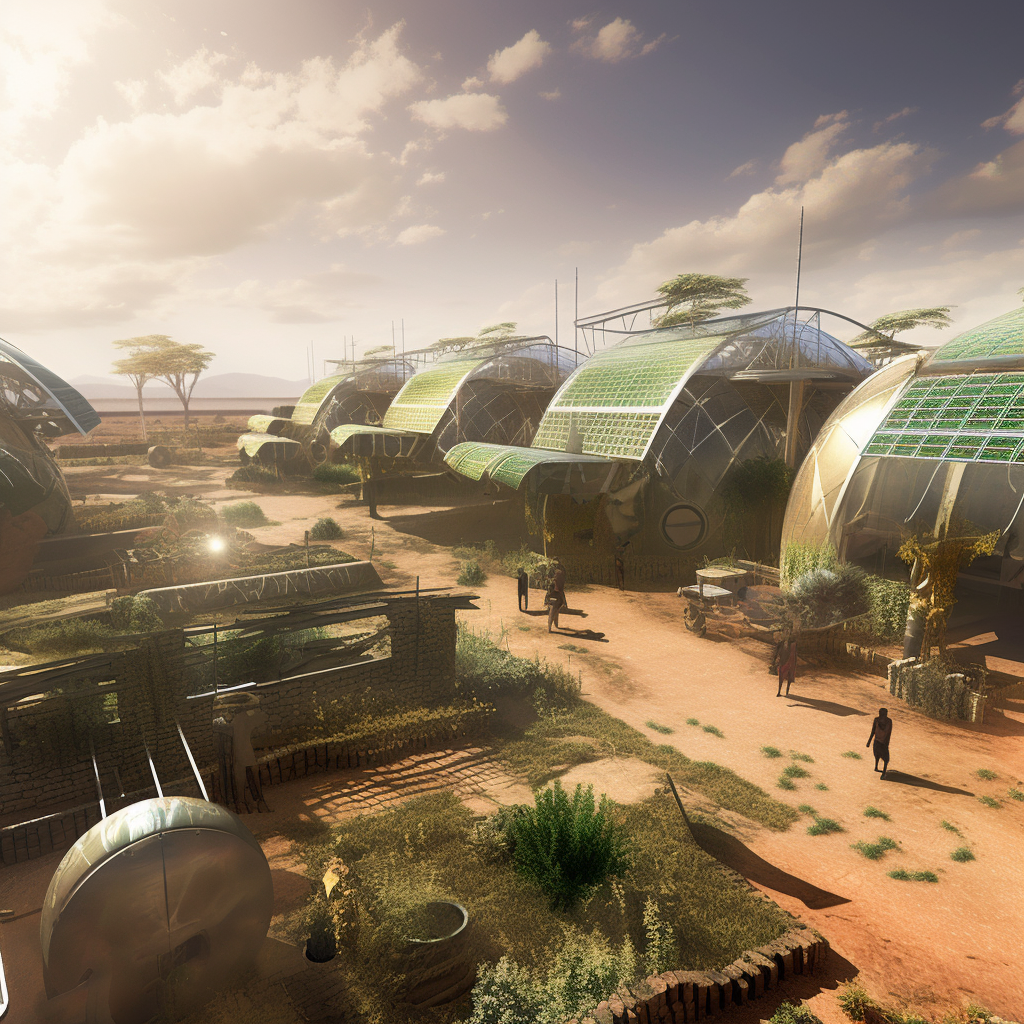

For nearly five years, we have been working on advanced projects for the African continent. We are exploring ways to empower low-income individuals through ecosystem proposals that address the needs of the population by creating new uses. We rely on an equation established during our previous projects:
CONTRIBUTION + APPROPRIATION = EMPOWERMENT of LOCAL POPULATION
We will begin a series of articles to gradually unveil a mobility ecosystem that we hope to showcase soon. The first topic focuses on energy, a crucial technological building block for designing a complete service-oriented mobility ecosystem.
5年近くにわたり、私たちはアフリカ大陸のアドバンスドプロジェクトに取り組んできました。ED²では増加する中間層人口のニーズに対応するエコシステムの提案を通じて、現地の人々をエンパワーする方法を模索しています。私たちは、以前のプロジェクトで確立した方程式( 貢献+現地で流用=地元住民のエンパワーメント)を適応してプロジェクトを進めています。 追ってモビリティエコシステムを説明する一連のアフリカ関係記事が続きます。最初のトピックは、完全なサービス指向のモビリティエコシステムを設計するための重要な技術的構成要素であるエネルギーに焦点を当てています。
LEAP-RE (Long-term Europe-Africa Partnership on Renewable Energy), co-funded by the EU under Horizon 2020, is the 5-year (2020-2025) research & innovation programme between the EU and the African Union to increase the use of renewable energy and to create a long-term partnership of both continents. 83 partners from 33 countries are participating.
https://www.leap-re.eu/project-context/
The following five grid-relating projects are among the total of 31 projects funded by LEAP-RE.
https://www.leap-re.eu/our-portfolio/
アフリカの自律型グリッドシステム – EU&アフリカ連合の共同プロジェクト
2020年、EUとアフリカ連合は、再生可能エネルギー(RE)の利用と両大陸の長期的パートナーシップの構築を目指し、5年間の共同研究革新プログラムLEAP-RE(Long-term Europe-Africa Partnership on Renewable Energy)を開始した。現在33カ国83団体が参加し、以下のグリッド関連プロジェクトを含む計31のプロジェクトが進行中である。
(Project sites: Ethiopia, South Africa / Led by: Technical University of Munich, Germany)
https://www.leap-re.eu/solcharge/
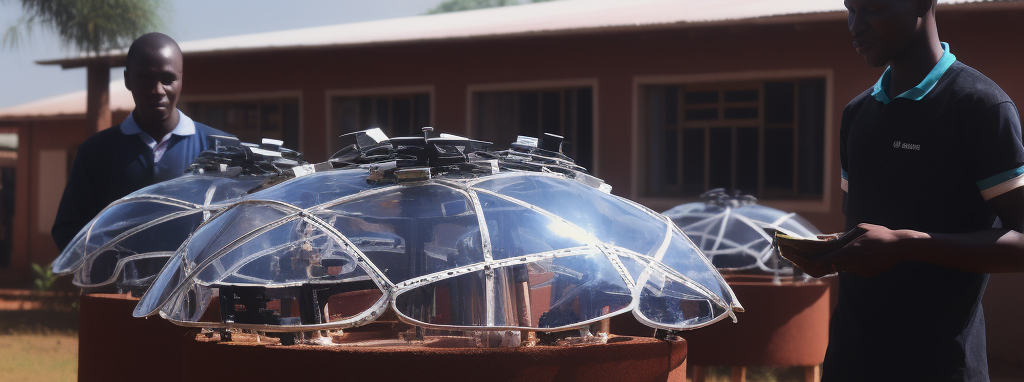
Aims: To develop stand-alone solar-charging stations (SASCS) for rural transport hubs in Sub-Saharan Africa (SSA). SASCS provide clean and affordable energy for small-scale farmers, as well as a clean off-grid power supply in under-serviced areas.
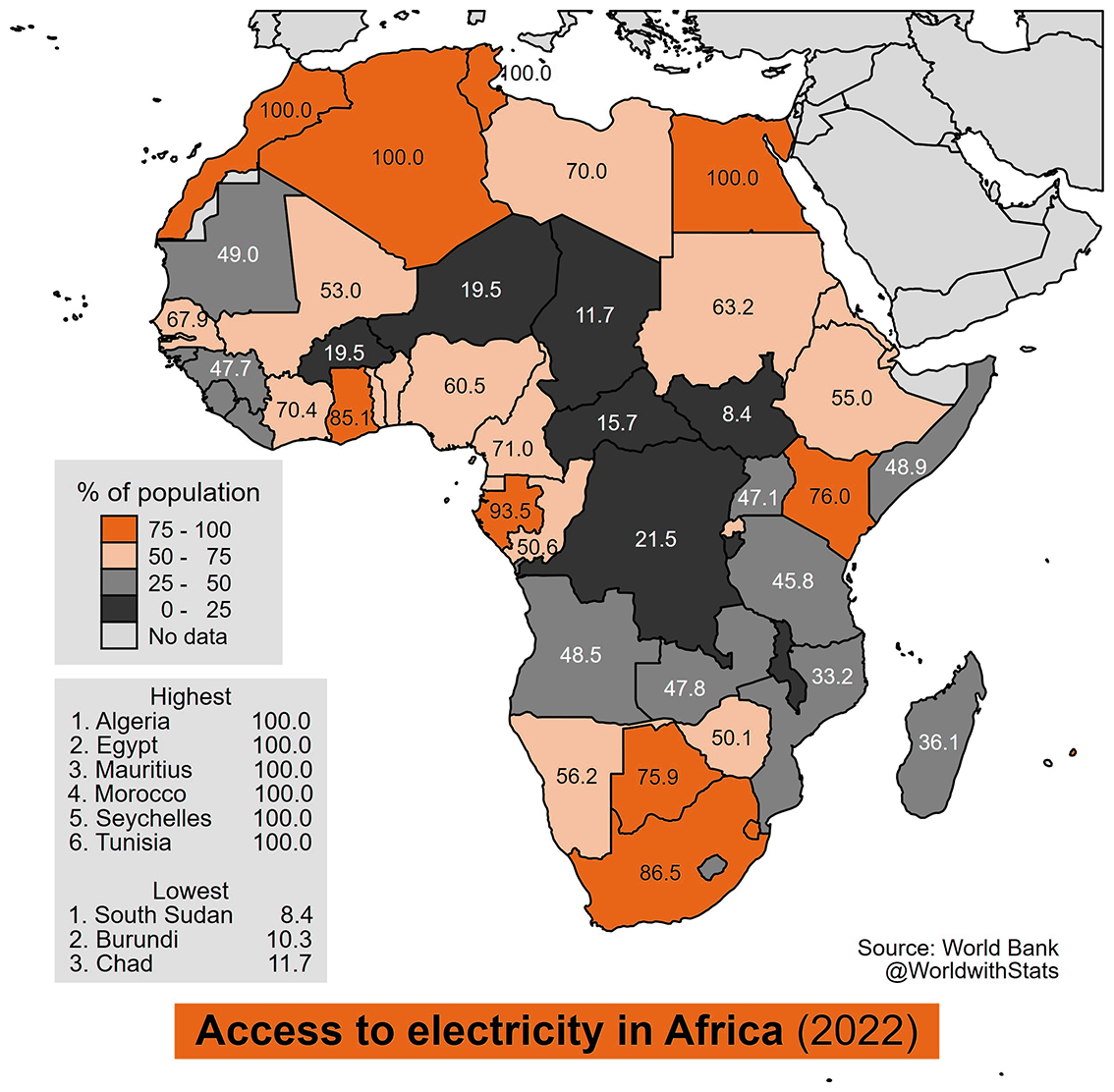
Background: Sustainable transportation systems have paramount importance for rural development in SSA, but capabilities to design, manufacture, test & commission such systems locally, are absent. Also, the grid access is very difficult partly due to the scattered settlement and poor economy.
Target groups: Farmers, especially female heads of household who cannot reach markets; Children, especially girls who cannot attend school; community members who cannot access healthcare
Actions: The development of a “Decentralized Transportation Hub,” consisting of PV modules with a stationary battery (a second-life EV battery), an AC-Type 2 charger, and a 4x4 EV. The car delivers goods from the hub to the next market and enables the rural population to reach the next bigger cities for healthcare and education.
The prototype of a Decentralized Transportation Hub was completed in Ethiopia, and an EV called “aCar” was already tested for the operational service and will be tested in combination with the solar charging station to assess the practicability (as of July 2024).
Expected Results: To increase local participation and manufacture solar charging stations locally; human & technological capacity building
1) SolChargeE:アフリカ農村部における持続可能モビリティのための分散型ソーラー充電システム
(エチオピア、南アフリカ/ドイツ)
SASCSは、市場、学校、医療施設へのアクセス改善を目指し、サハラ以南のアフリカ農村部の交通ハブに独立型ソーラー充電ステーションを開発するプロジェクトである。また、小規模農家へクリーンで安価なエネルギーを提供し、電気インフラに乏しい地域へはクリーンなオフグリッド電力供給を行う。加えて、プロジェクトへの地域参加の拡大やSASCSの現地生産にも期待できる。
エチオピアでは「分散型輸送ハブ」のプロトタイプが完成。同ハブは、定置用バッテリー(EVのセカンドライフ・バッテリー)付きPVモジュール、ACタイプ2充電器、4駆BEVからなる。BEVはSASCSと組み合わせ、その実用性を検証予定だ(2024年7月時点)。
(Benin, Senegal, France, Germany / University of Picardie Jules Verne, France)
https://www.leap-re.eu/leopard/
https://www.pole-medee.com/portfolio/leopard/
Targets: To disseminate micro-grid technology and increase electricity access in rural and peri-urban areas in West Africa; To overcome technical, financial, and regulatory barriers by providing pragmatic solutions
Background: African countries are currently increasing the use of independent power producers (IPPs) and improving their legislations to stimulate renewable energy, decentralized off-grid solutions such as mini-grids and solar home systems. However, technical, financial, and regulatory barriers are still holding back the expansion of renewables in Africa.
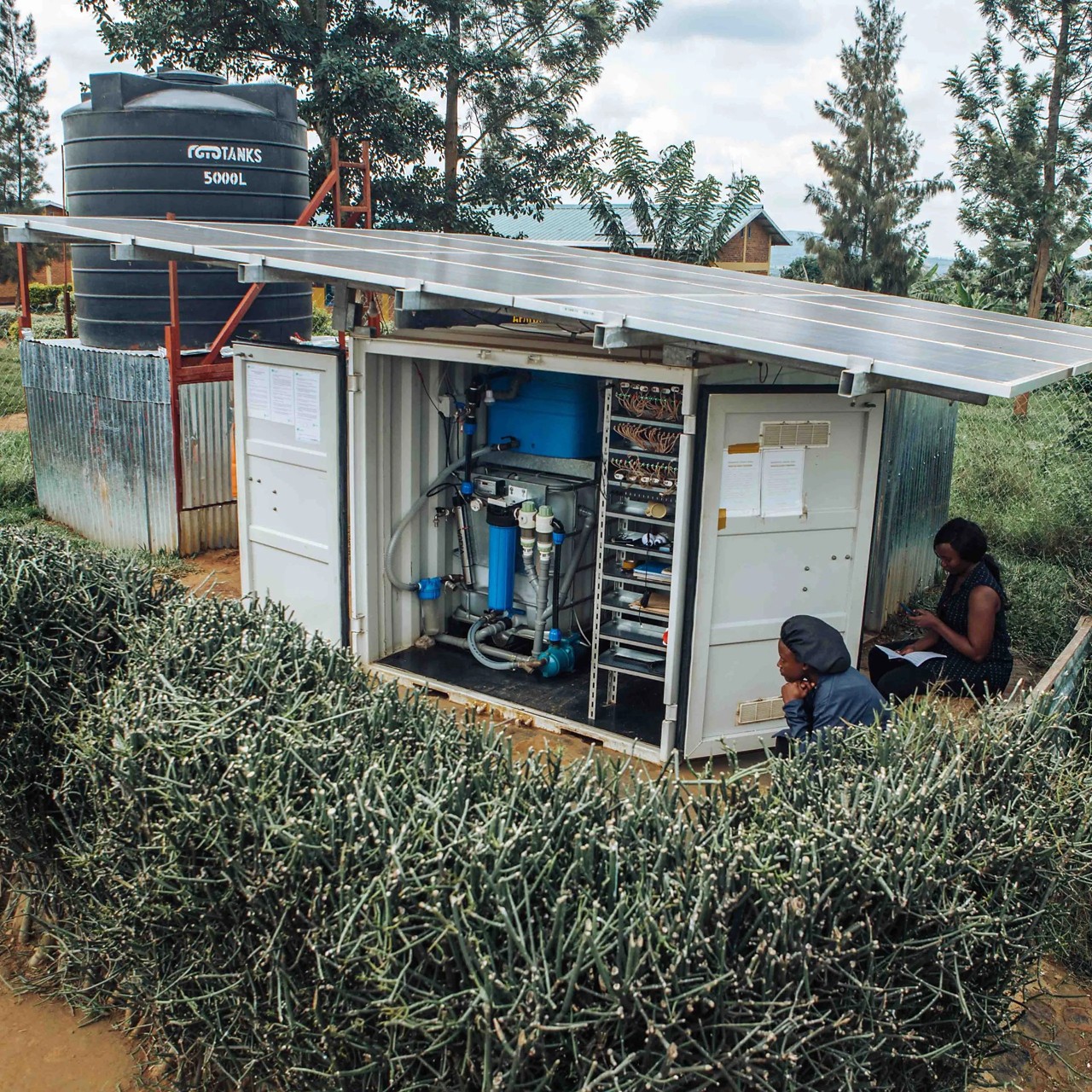
Solution: A containerized renewable energy production system including storage, which is modular, affordable, replicable at a large scale and locally maintained by trained technicians
Actions: Field research; design and simulation of the system; prototyping, test & evaluation; development of a remote payment system & a quality control protocol for maintenance
Expected impacts: Enhancing collaboration between public and private partners from Europe and Africa
2) LEOPARD:再生可能エネルギー普及のためのマイクログリッド技術
(ベナン、セネガル/フランス、ドイツ)
アフリカ諸国は、独立系発電事業者(IPP)の利用と分散型オフグリッドを推進しているが、技術的、財政的、法的な壁が再生可能エネルギーの普及を妨げている。
同プロジェクトは、マイクログリッド技術の普及による西アフリカの農村部・都市周辺部での電力アクセス拡大を目指し、コンテナ型RE発電システムを提案。同システムは蓄電機能を含み、モジュール式、手頃価格、拡張可能で、訓練を受けた技術者が現地で維持管理することが出来る。システム設計、試作品製作、テスト&評価に加え、遠隔支払いシステム、及びメンテナンスのための品質管理プロトコルの開発も行なっている。
(Eastern Africa - Djibouti, Ethiopia, Kenya and Rwanda / University of Lorraine, France)
https://www.leap-re.eu/geothermal-village/
Background: East Africa has geothermal resources of high value, like Kenya now relies on large-size geothermal plants (700 MWe). But the resource is untapped, particularly in the remote regions where the needs are highest. Thus, inexpensive boreholes can tap quite hot fluids (150°C), sufficient for electricity and many domestic, agricultural and industrial processes.
Plans: A common geothermal exploitation in a cascade mode, from electricity production from hot geothermal fluids to thermal energy direct use from lower temperature fluids for a large variety of applications, based on the local needs and income sources (e.g. agricultural drying process, manufactural uses, greenhouses heating, hot-springs-based tourism).
Expected impacts: source of income in remote and undeveloped regions; Strengthening the skills (admin., technical, etc.) of the local participating communities
3) 地熱村:地熱利用独立型スマート・オフグリッド、カスケード方式
(東アフリカ:ジブチ、エチオピア、ケニア、ルワンダ/フランス)
東アフリカは高価値の地熱資源を有するが、特に僻地ではその利用が未開発なままだ。安価なボーリング穴を使えば、電力のみならず、家庭用、農業用、工業用プロセスに十分な量の高温の液体が採取できる。同プロジェクトが提案するカスケード方式の地熱利用は、高温の液体を発電に利用し、低温の液体はその熱エネルギーを直接利用するシステムだ。また、プロジェクトに参加する地域社会の技術強化と収入源の創出も目指している。
(Algeria and Morocco / University of Lorraine, France)
https://www.leap-re.eu/mg-farm/
Project: the development of smart microgrids based on renewable energy sources for sustainable development of energy, water and agriculture.
Background: Algeria and Morocco aim to modernize the agricultural sector to ensure food security and increase and diversify exports.
Solution: Digitized RE Microgrid Smart Storage Systems
Main objectives: To adapt the system to the agricultural load and storage practices; to serve pumping, irrigating, and cooling; The generating, distributing, and storing electricity and water will be optimized by further renewable energy and water sources and using reservoirs and cooling chambers as means for storage.
Expected results: The development of a data-based research and education framework for the integration of smart grids in the MENA region; To enable the connected farms to increase their production, save water and energy; local use of the excess energy produced in the microgrid in neighbouring farms or dwellings
4) MG-FARM: 独立型スマート・マイクログリッドによる農場の電化
(アルジェリア、モロッコ/フランス)
デジタル化されたREマイクログリッド・スマート蓄電&貯水システムの開発を目指す。同システムは現地の農作物の積荷と保管方法に適し、揚水、灌漑、冷却を行う。また、MENA(中東及び北アフリカ)におけるスマートグリッド統合のための研究&教育フレームワークを構築し、つながる農場による生産量の増加、水とエネルギーの節約、近隣農場での余剰エネルギーの利用をめざす。

(Algeria, Kenya, Rwanda / Polytechnic University of Milan, Italy)
https://www.leap-re.eu/setadisma/
è The results so far seem to be researches and methodology development only (KF).
Targets: To tackle the entire African mini-grid sector (technology, energy planning, digitalization R&D, capacity building)
Projects: “Green-field project” to electrify the communities for the first time; “Brown-field project” to repower old mini-grids with renewable sources
Background: In recent years, hybrid systems combining renewable sources, batteries and optional fuel generator as backup source have risen attention for new electrification projects as they lower the operational costs, pollution, and support the energy independence of the local communities. Also, ICT has been improving energy systems and promoting the development of smart mini grids.
Actions: Technological research (generation technologies with energy mix scenario),
Energy planning research (context and energy demand assessment), Digitalisation (assessment and application), Capacity building (educational training and capacity building programmes)
Expected impacts: Increase of energy access in rural areas and use of RE services; improving living conditions and social inclusive growth; creating innovations and jobs in mini-grid field; involvement of the community in the decision-making process to improve the local governance structure
· SOLAR INDUCE: Solar induced domestic clean efficient cooking and refrigeration for off-grid applications in Africa
· SWITCH: Stabilizing Weak Grids through Machine Learning: Empowering Farmers in End-of-line Communities in North Africa Through Artificial Neural Networks
· RESTART: Implementing a full value chain for recycling End-of-Life (EoL) Lithium-Ion Battery (LiBs) and Photovoltaic (PV)