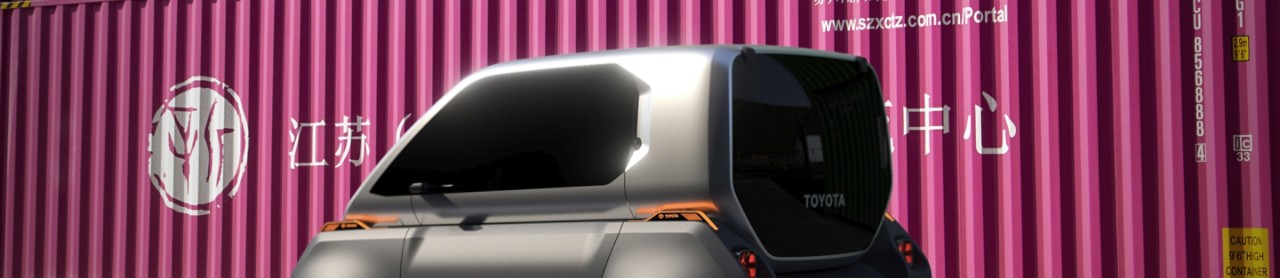

In Japan, “kei cars” represent nearly 40% of the national market.
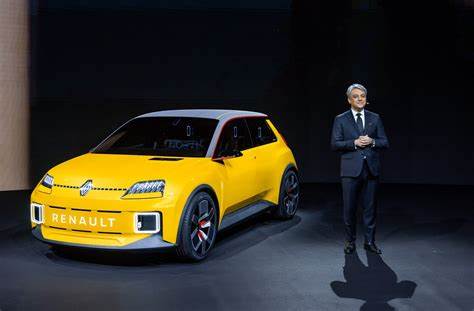
Japanese kei cars , previously viewed with amused interest, are no longer as exotic as they seem. As president of the Association of European Automobile Manufacturers, Luca de Meo, also general director of Renault, has just proposed the creation in Europe of a category of electric vehicles inspired by small Nissan, Suzuki or Daihatsu models, specially designed for the cities of the Japanese archipelago. A new family of cars which would fit between quadricycles (cars without a license, such as the Citroën AMI or the Microlino) and small classic cars, such as the Twingo or Fiat 500.
日本の軽自動車、欧州における小型車の未来像
ルノーCEO兼ACEA会長のルカ・デメオは、日本の都市向け小型車タイプの電気自動車カテゴリーを、欧州に導入することを提案。
日本では「軽自動車」が国内市場の40%近くを占めている。以前は興味半分の対象だった軽自動車は、今や異質な存在ではなくなった。ルノーCEO兼ACEA会長のルカ・デメオは、日産、スズキ、ダイハツの日本の都市向け仕様の小型車にヒントを得て、同タイプの電気自動車カテゴリーを欧州に新設することを提案した。四輪車(シトロエンAMIやマイクロリーノなどの無免許で運転可能な車)と通常の小型車(トゥインゴ、フィアット500など)の間に位置する新カテゴリーである。
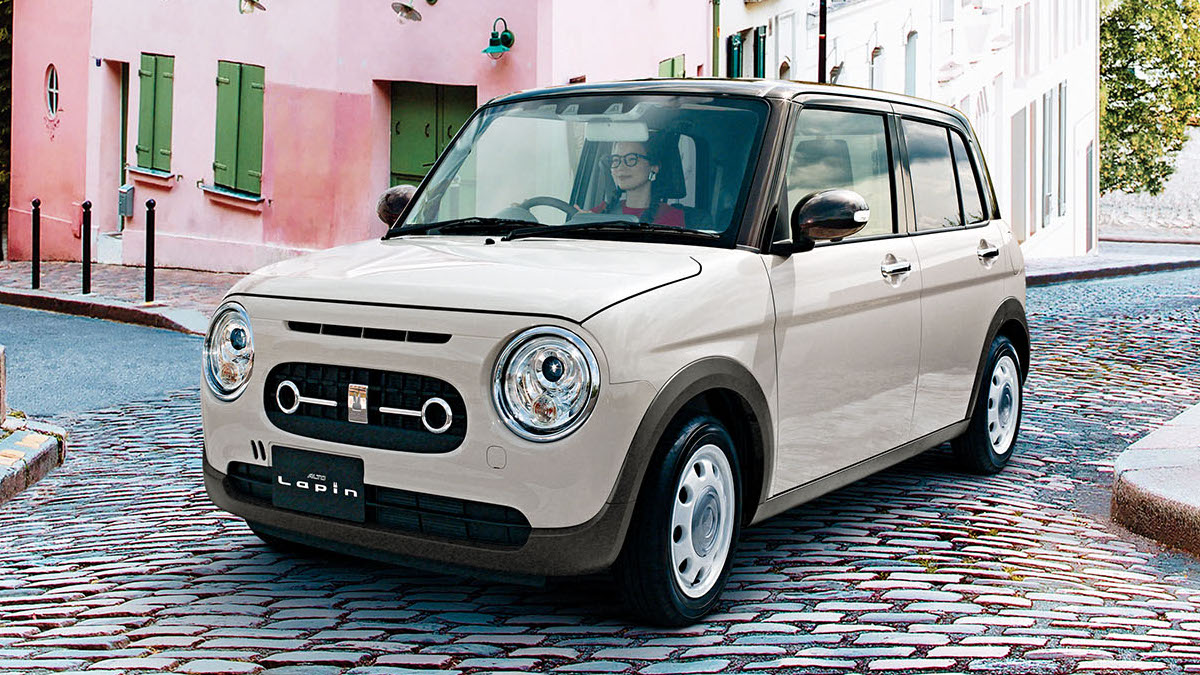
In Japan, kei cars (literally “light cars”) have blended into the landscape. They represent nearly 40% of the national market and are very successful with female customers. These vehicles offer five seats with a limited footprint (their length is limited to 3.40 meters), weigh less than 900 kilos and their price is affordable (from around 12,000 euros), thanks to numerous tax advantages and regulatory. Their parallelepiped shapes and their very vertical architecture are the result of these specifications defined to evolve within very dense Japanese cities.
Like their Japanese equivalents, European mini-vehicles would be subject to constraints in terms of size and engine. According to Luca de Meo, these vehicles could be sold for around 10,000 to 15,000 euros and would help to democratize electric automobiles for good, in particular for urban and peri-urban residents who have no other option than to travel to work by car.
If this path were to be followed, it would be a small revolution. Attempts to import models close to kei cars in Europe – like Suzuki's Wagon R or the Daihatsu Trevis – have only had limited success, particularly due to their engine, which is hardly compatible with the way motorists in the Old Continent drive. In the electric version, this objection would be lifted, but others would emerge.
日本では軽自動車が社会に浸透しており、国内市場の40%近くを占め、女性ユーザーを中心に大きな成功を収めている。5人乗り、全長3.40 m・重量900 kg以下で、様々な税制及び規制優遇のおかげで価格も手頃だ(約1万2千ユーロから)。日本の超密集都市で利用するための設計から、ボディは箱型で非常に垂直的だ。
日本の軽自動車と同様、欧州のマイクロカーにもサイズやエンジンに制約がある。ルカ・デメオによれば、このタイプの車は1万〜1万5千ユーロ程度(約160〜240万円)で販売可能で、特に車通勤以外に選択肢のない都市や都市近郊の住民にとって、この電気自動車の大衆化は役立つという。
もしこれが実現すれば、小さな革命となるだろう。スズキのワゴンRやダイハツのトレビスなど、軽自動車に近いモデルを輸入しても、特にそのエンジンが欧州大陸で走るのに適さないため、大して成功しなかった。EV仕様ならこの問題は解消されるが、また別の問題も出てくるだろう。
The very small Japanese models, in fact, are not able to meet the strict European standards for approval of a particular vehicle, especially in terms of passive safety. Certainly, the regulations imposed on cars without a license are not particularly demanding, but it is difficult to see the authorities authorizing the circulation of five-seater cars designed with minimalist anti-collision standards.
Furthermore, creating a new market for small electric cars would amount to opening an additional front with Chinese manufacturers. They have some experience in the field of low cost electricity, as evidenced by the Wuling Hongguang Mini EV, a micromodel distributed in several hundred thousand units for a price of less than 3,000 euros.
European-style kei cars could have a future provided a compromise is reached that allows safe and inexpensive vehicles to be marketed, even if it means imposing higher production costs and only having a range of 150 kilometers. Such as the Peugeot iOn and Citroën C-Zero, derived from the electric Mitsubishi i-MiEV, which were not unworthy but arrived before the boom in the electric market.
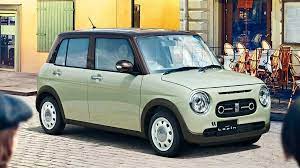
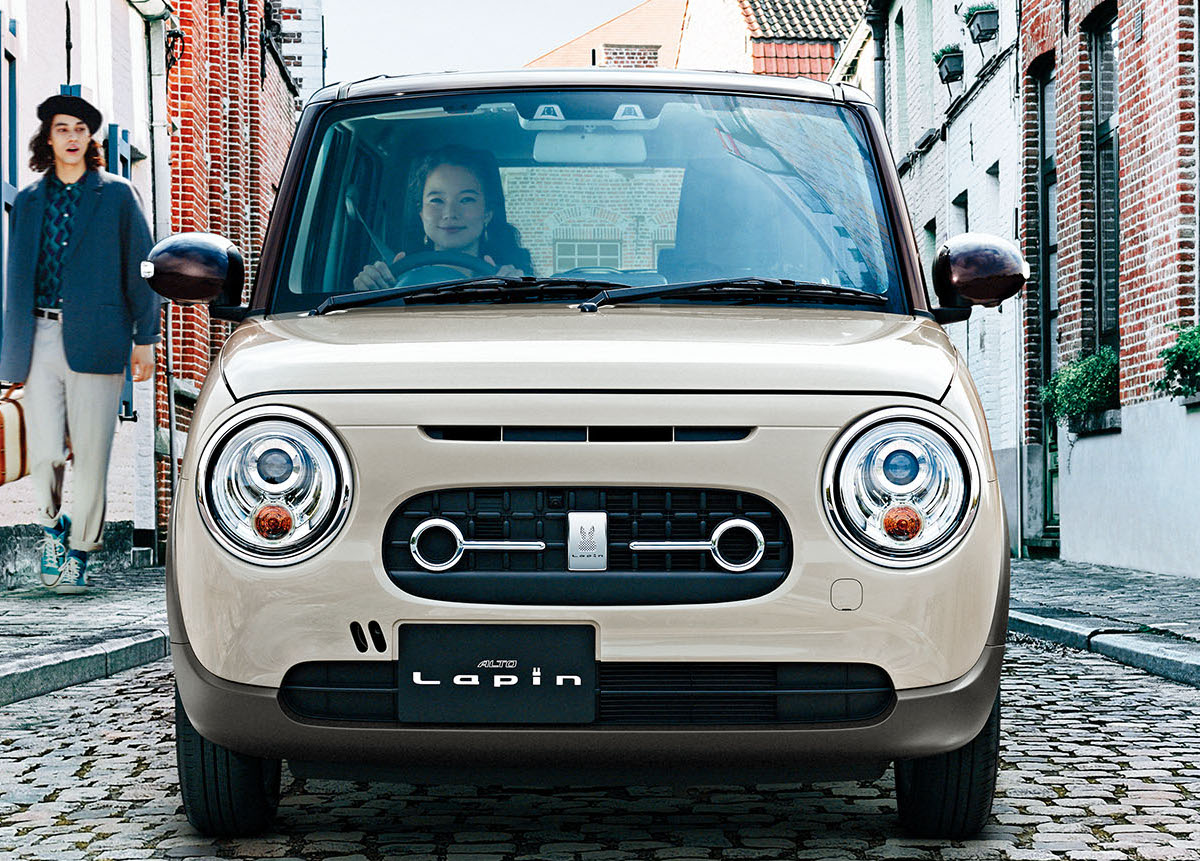
It has not escaped the notice of automobile manufacturers that this new offer would be welcome, in the event that local authorities decide to significantly tighten access constraints to urban centers. Like their Japanese counterparts with a very original style and which often have offbeat names (Suzuki Lapin, in French in the text, for example), these microcity cars could in the process give a little relief to an offering of small urban cars. Europeans, often very spartan or conservative.
日本の軽自動車は、特にパッシブセーフティ面で欧州の厳しい認可基準を満たすことができない。確かに、欧州でも無免許で運転可能な車に対する規制は特に厳しくないが、最小限の衝突防止基準で設計された5人乗り乗用車を当局が許可するとは考えにくい。
さらに、小型EVの新市場を作ることは、中国メーカーとの新たな戦線を開くことになる。価格3,000ユーロ(約49万円) 以下で数十万台を売った武陵紅光の超小型EVに見るように、中国側は廉価EVの経験が豊富だ。
たとえ生産コストが高くなり航続距離が150kmに限られるとしても、安全・廉価な小型車を販売できる妥協点を見いだせば、欧州スタイルの軽自動車にも未来があるかもしれない。三菱i-MiEVから派生したプジョーiOnやシトロエンC-ZEROのような車も決して無駄ではないが、EVブームの前に登場した。
地方自治体が都市中心部へのアクセス制限を大幅に強化した場合、この欧州版軽自動車という案が支持されることは、自動車メーカーにもわかっている。非常に独創的なスタイルでオフビートな名前(例えばスズキ・ラパン=フランス語でウサギ)を持つ日本の軽自動車のようなマイクロシティカーは、しばしば非常にスパルタンで保守的な欧州人に小さな安らぎを与える選択肢となるかもしれない。