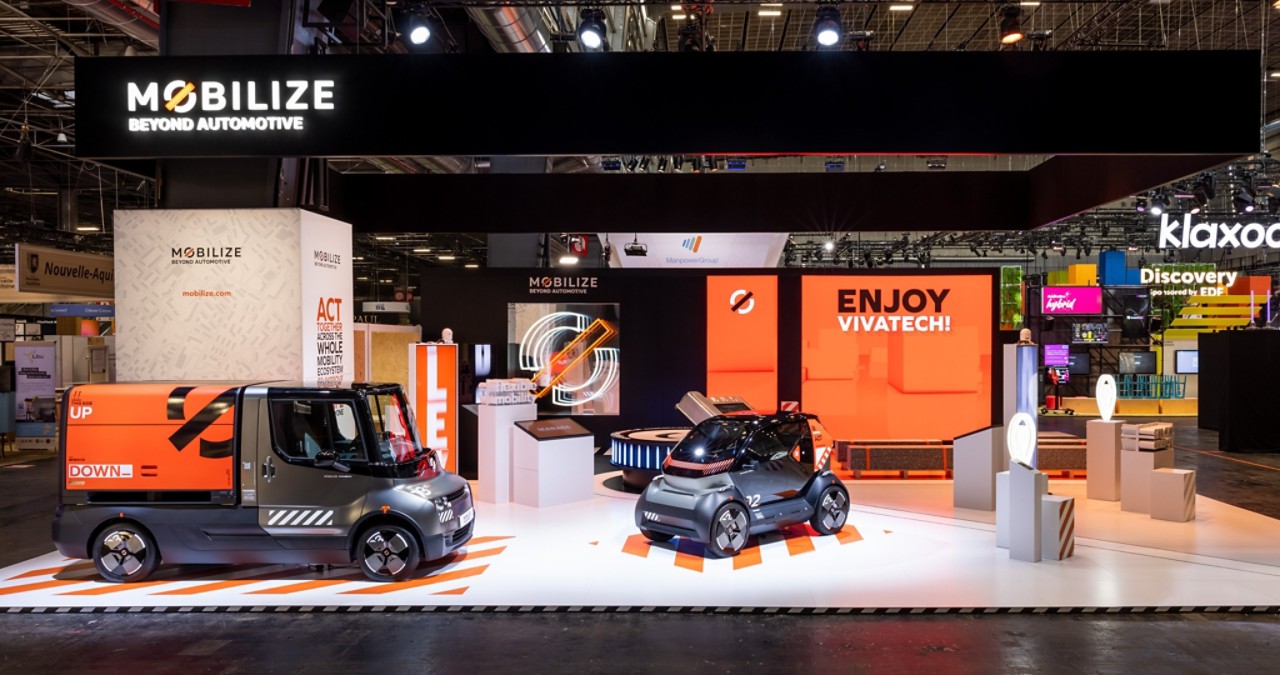

Auto Motor und Sport (Germany) sees a basic-level EV for more than €20,000 still too expensive to be accepted by the masses.
“Luca de Meo wants to build a low-cost electric car – Will Renault bring the EU Kei-car?”
· Luca de Meo wants to make electric driving suitable for the masses. A key issue: EVs are still very expensive. Even the cheapest model, the Dacia Spring Electric 45, costs at least €22,750, for a very basic car. For this price, you can get much better ICE vehicles. Affordable small EVs for the masses are missing.
· The price must be further lowered – De Meo mentioned a price of such EV below £20,000 (= €23,000), which is nearly the price of a Dacia Spring with moderate success. For a price of more than €20,000, only a few idealists are likely to open their wallets.
· Over the years, European customers have been educated to have higher comfort, for most manufacturers is pursuing a policy of increasing equipment levels and eliminating basic models.
· China steps in – An attractively priced EV by simply cutting performance, features and material quality cannot be the answer for broad acceptance. If so, the electric Twingo, for example, must be priced at €18,000 instead of €28,000. No European manufacturer has managed to make such an offer. And if we wait a while longer, a Chinese brand will certainly step in.
ドイツ『Auto Motor und Sport』誌評:ベーシックレベルのEVが大衆に受け入れられるには、2万ユーロ以上という価格は高すぎる。
タイトル:「低価格EVを作りたいルカ・デメオ:ルノーはEUに軽自動車をもたらすか?」
· ルカ・デメオはEVの大衆化を目指している。問題は、EVがまだとても高価なこと。非常にベーシックな最廉価モデルのダチア・スプリングエレクトリック45でさえ、22,750ユーロ(約360万円)以上する。この価格なら、それよりずっと良いICE車が手に入る。大衆向けの手頃な小型EVが不足しているのだ。
· 「価格をさらに下げるべき」- デメオが提示した大衆向け小型EVの価格は2万ポンド(約370万円)未満[1]だが、これは中程度しか売れていないダチア・スプリングの価格とほぼ同じだ。2万ユーロ(約320万円)以上なら、一部の理想主義者以外は買わないだろう。
· 長年にわたり欧州ユーザーは、より高い快適性を求めるよう慣らされてきた。メーカーのほとんどが、ベーシックモデルを排除し装備レベルを高める方針にあるからだ。
· 「中国が参入する」 - 単に性能・機能やマテリアルの質を下げて廉価にするだけでは、EV大衆化の答えにはなり得ない。もしそうなら、例えばトゥインゴBEVは28,000ユーロ(約440万円)でなく18,000ユーロ(約285万円)であるべきだが、こんな価格設定のできる欧州メーカーは無い。そしてそのうち、中国ブランドが必ず参入してくるだろう。
[1] 昨年5月時点のルノー発表価格。
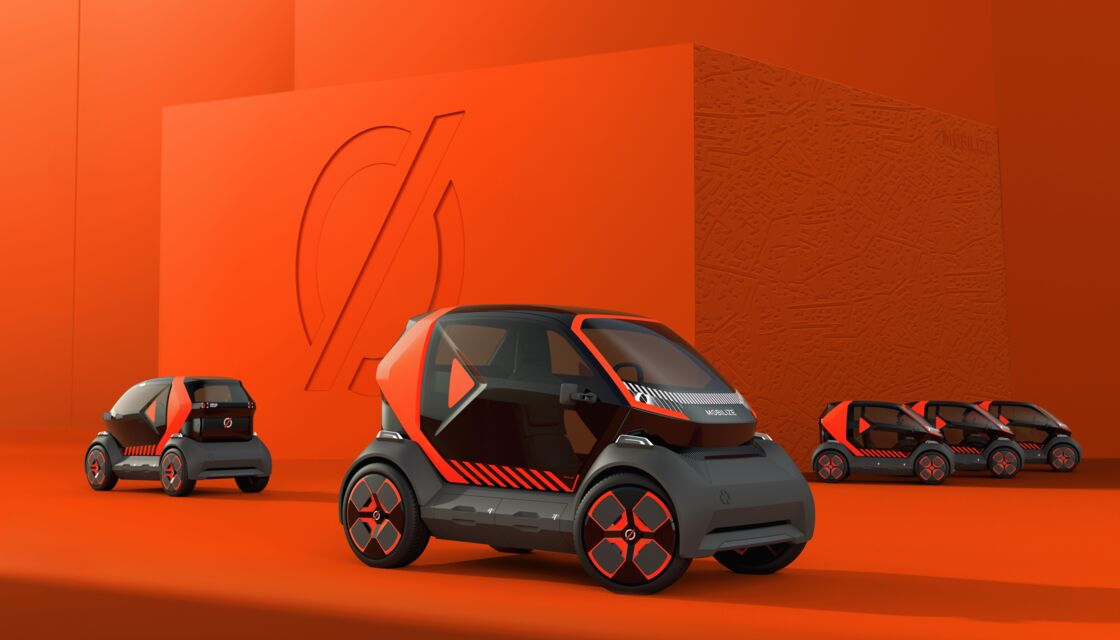
German user comments “Why are there no kei-cars policies in Germany?“
· Germany used to determine the car taxes according to engine displacement, so engineers focused on getting the maximum power out of as little displacement as possible.
· Germans like having multi-functional cars. So trunk space is very important, regardless of vehicle class.
· Kei cars have neither crumple zone (frontal and lateral) in case of crash nor the aerodynamic (especially at Autobahn speed).
· Safety regulations - One of the main reasons why modern cars are big and heavy.
· Many car owners in Germany don't live in the metropolitan areas, and if you're driving longer distances, micro cars just can't compete.
· German cities and their authorities tend to focus on better car-free transportation. On the other side, Autobahn is no place for a Kei car.
· We are quite taller and heavier than the average Japanese citizen.
· A bicycle or public transport is faster and easier to get around the city. (Writer's comment: You don’t need a car if you live in a big city in Germany such as Berlin, Hamburg or Munich, with their extensive public transport networks. Also, their wide streets allow cycling roads on both sides, and commuting by bike often takes less time than driving on congested roads.)
ドイツのユーザーコメント(reddit誌):「なぜドイツには軽自動車政策がないのか?」
· ドイツではかつて排気量に応じて車税が決められていたため、エンジニアはできるだけ少ない排気量で最大限のパワーを引き出すことに注力していた。
· ドイツ人は多機能な車を好む。トランクルームの広さは、車格に関係なく非常に重要だ。
· 軽自動車には、衝突時のクランプルゾーン(前面と側面)も空力特性(特にアウトバーン走行時)もない。
· 安全規制:今のクルマが大きく重い要因のひとつ。
· ドイツのカーオーナーの多くは大都市圏に住んでおらず、軽自動車は長距離運転に適さない。
· ドイツの都市や当局は、車を使わない交通手段を重視しつつある。また、アウトバーンは軽自動車で走れる場所ではない。
· ドイツ人の体格は、平均的日本人よりかなり大柄で重い。
· 大都市では、自転車や公共交通機関の方が早くて楽だ。(筆者コメント:ベルリン、ハンブルク、ミュンヘンなど、公共交通網が発達しているドイツの大都市では車は必要ない。加えて、道幅が広いためサイクリングロードが道路両端に整備されており、近距離移動なら混雑路を車で走るより自転車の方が早く着くことも多い。)
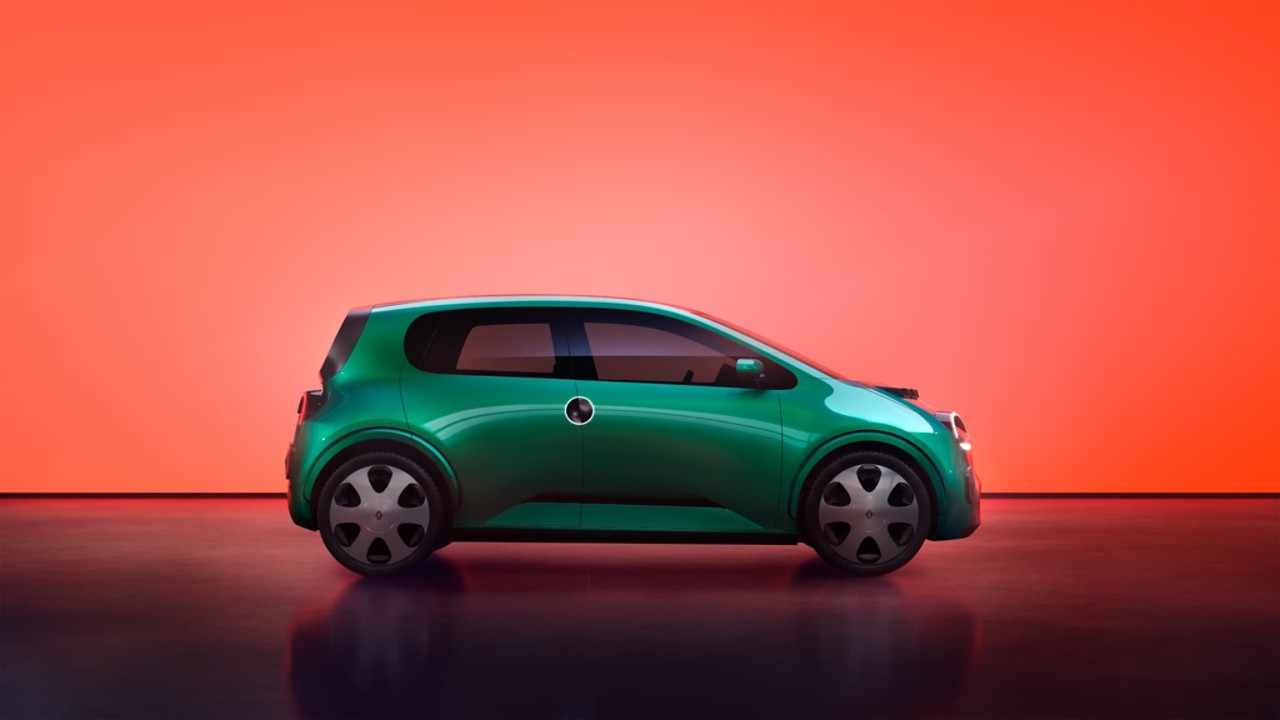
Auto Car (UK) interviewed a major importer of Japanese Kei cars for Europe:
“How Japan’s small Kei cars could thrive in Europe” – Low-cost, low-emissions Japanese microcars could capitalise on market as European prices surge
· The demand for microcars is growing, prompted by the expansion of low-emissions zones such as London’s ULEZ. “We anticipate more buyers become aware of kei cars.”
According to a survey, the upcoming extension of London’s ULEZ could prompt 39.8% of motorists within its boundaries to switch to an electric car. However, cost remains an issue for many motorists.
· The demand for more mainstream models is growing – e.g. Toyota Pixis Mega mini-MPV, Honda Acty and Subaru Sambar pick-ups.
· The Dacia Spring (from roughly £14,000, max. 62mph, 140 miles per charge) demonstrates a clear appetite for affordable EVs. The Citroën Ami is cheaper (from £7695) but not successful, because it is very compromised - max. 28mph, 50 miles per charge and seating for two only.
This opens a gap in the market for electric kei cars, which undercut the likes of the Spring but retain much more usability than the extreme Ami. Nissan Sakura would do well in Europe.
· Should any manufacturer offer a kei car in Europe, it will face significant challenges. The boxy shape is thoroughly unfashionable among European buyers, who tend to favour more curvaceous crossovers. The kei cars would also have to adhere to strict GSR2 safety regulations[1] – Many newer kei cars offer advanced driver assistance and may not need significant revisions to be sold in Europe.
· So far, only Suzuki Wagon R+ has been a successful kei car in Europe. But its peaked annual sales (about 120K in 2001) was far fewer than superminis such as the Renault Clio (492K that year) and Ford Fiesta (255K).
[1] All new cars launched in Europe since 6 July 2022 have to comply, and from 2024 existing models on sale in the market will have to comply, via modifications if need be, to remain on sale.
英国『Autocar』誌:軽自動車の輸入大手会社インタビュー
タイトル:「日本の軽自動車はどのように欧州で成功するか」― 価格高騰の欧州で、低コスト・低エミッションの軽自動車が市場を活性化する可能性
· ロンドンのULEZのような排ガス規制区域の拡大でマイクロカーの需要は伸びており、軽自動車への注目が高まると思われる。
某調査では、ULEZの拡張により、その範囲内に居住するドライバーの約40%がEVに乗り換える可能性がある。しかし多くのドライバーには、そのコストが問題だ。
· 主流モデルへの需要が高まっている:トヨタ・ピクシスメガ ミニMPV、ホンダ・アクティ、スバル・サンバー ピックアップなど。
· ダチア・スプリング(約14,000ポンド=260万円〜、最高時速100 km/h、航続距離225 km)の売れ行きを見れば、手頃価格EVへの需要の高さがわかる。シトロエン・アミはそれよりかなり安いが(7695ポンド=約143万円〜)、性能が劣るため売れていない(最高時速45 km/h、航続距離80 km、ツーシータ)。
そのため、スプリングとアミの間に位置する使い勝手の良いEVにチャンスがある。例えば、日産サクラは欧州でも売れるだろう。
· しかし欧州で軽自動車を出すには、大きな問題がある。まずそのボクシーな形状は、曲線的なクロスオーバーを好む欧州ユーザーには全く魅力的でない。また、厳しいGSR2安全基準[1]をクリアする必要がある。もっとも、最新の軽自動車の多くは高度な運転支援機能を搭載しており、欧州での販売に大幅な改良は必要ないかもしれない。
· これまで、欧州で成功した軽自動車はスズキ・ワゴンR+だけ。しかしそのピーク時の年間販売台数(2001年の約12万台)は、ルノー・クリオ(同年49万2000台)やフォード・フィエスタ(同25万5000台)などのマイクロカーに比べるとはるかに少ない。
スペイン『Auto Bild』誌評:軽自動車のような低価格の超小型EVは欧州で効果的。
タイトル:「都市交通対策として、軽自動車を欧州に導入すべき」
· EVが導入され、EUが各国に排ガス規制区域のような措置を強いている今、軽自動車は、欧州の多くの都市が抱える交通問題に対する興味深い解決策となるだろう。
· シトロエン・アミなどは軽自動車のコンセプトを追求しているが、EV開発の主流は、大型でパワフル、非常に重く高価、という別方向に進んでいる。
· 電気モーター搭載で低価格な軽自動車のような車は、欧州大都市のモビリティ対策として効果的だろう。
米国『Electrek』誌評:小型で廉価なEVが、市場の大きな空白を埋めるだろう。
タイトル:「小型で廉価、でも安全とは言えない軽自動車を、我々は受け入れるべきか?」
· 運転も駐車も簡単、安くて軽量な車を入手できるという実用的な点で、軽自動車は理にかなっている。短距離通勤や街乗りに適した小型で軽量な車を人々は求めており、より軽量なEVは道路交通の緩和に役立つだろう。
· 軽自動車は室内空間を最大限に利用するよう設計されており、箱型ボディのお陰で足元や頭上のスペースに余裕があり、少なくとも短時間は車内で快適に過ごせる。
· 高速道路仕様の軽自動車で、SUVやトラックが行き交う5車線道路を走るのは恐ろしい。高速では長いボンネットとクラッシュゾーンを持つ大型車が有利だ。しかし今のトレンドは明らかに間違った方向に進んでおり、小型車が大きく不足している。その市場の空白を埋めるのは、小型・廉価なEVだ。
[1] 2022年7月6日以降に欧州で発売する新車全てに適合の義務がある。また2024年以降に販売する既存車種も、必要に応じ改良を加えることが求められる。

Auto Bild Spain supports Kei-like, low-priced micro EVs for an effective solution in Europe.
“Kei cars, the solution to city traffic that we should implement in Europe”
· Kei cars would be an interesting solution to tackle or minimize traffic problems in many European cities, especially now that EVs are implemented, and at a time when the EU forces countries to take restrictive measures, such as the Low Emission Zones in Spain.
· Citroën Ami, for example, pursues this concept, but the EV development is going in other directions: large, powerful, very heavy and very expensive vehicles.
· Cars like kei cars, with electric motors and at a low cost, would be an effective solution to the mobility problems that affect the large capitals in Europe.
Electrek (the USA) says that small, cheap EVs fill a huge void in the market.
„Should we all embrace Japan’s kei car model – small, cheap, but not exactly safe?“
· Kei cars make sense, just in practical terms of having better access to cheap, light cars that are easy to drive and park. People want small, lightweight cars for short commuter trips or city driving, and lighter EVs would ease road traffic as well.
· Also, Kei cars are designed to maximize interior space, so the boxy frame offers plenty of leg and headroom to keep you comfortable for a little while at least.
· The idea of driving a highway-legal Kei car on a five-lane freeway with SUVs and trucks is terrifying. Large vehicles with long hoods and big crush zones take the advantage here. But clearly, the trend is going in the wrong direction, and we need more small cars on the road. Small, cheap EVs fill a huge void in the market.
Pistonudos (Spain) supports creating a subcategory for micro cars and special regulations.
“KEI CARS TO THEEUROPEAN? WHY NOT?”
· There are countries and cities where the use of small and utilitarian cars is a necessity, like in Rome (and entire Italy). The Smart is a success there, as it is in Paris. And the first-generation Twingo, the Panda or the current 500 show that customers are willing to get a tiny car, when things are done right.
· The lack of power or pure speed is not a problem for the typical customer, who hardly requires more performance than a vehicle of this type can offer.
· It would make sense for the EU to create a subcategory similar to the Japanese Kei Cars. This type of vehicles is better for electrification or shared use.
· Realistic regulations for vehicles like the Kei cars, with tax reductions and insurance ease, could be an interesting incentive for the average Europeans to a "low-cost" means of transport, especially in the macro cities like Paris, Rome, Barcelona and Berlin.
· Also, such regulations would be advantageous for local manufacturers to compete with low-price import cars.
スペイン『Pistonudos』誌:マイクロカーのサブカテゴリー新設と特別措置の導入を支持。
タイトル:「軽自動車をヨーロッパに? 良いんじゃない?」
· ローマ(又はイタリア全土)やパリなど、小型で実用的な車が必要不可欠な国々や都市では、スマートがよく売れている。また、初代トゥインゴやパンダ、そして現500のように、小さな車でも的を得ていれば、顧客は喜んで買うということが判る。
· パワーやスピード不足は問題ではない。マイクロカーの典型的ユーザーは、それ以上の性能をほとんど必要としないからだ。
· 日本の軽自動車のようなサブカテゴリーをEUに導入するのは理にかなっている。このタイプの車は、電動化やシェアリングに向いている。
· 特にパリ、ローマ、バルセロナ、ベルリンのような大都市では、減税や保険における優遇など軽自動車タイプの車両に対する現実的な措置が、平均的な欧州人が「低コストの移動手段」を選ぶインセンティブとなり得る。
· またこのような政策は、低価格の輸入車と競合する地元メーカーにとっても有利となる。
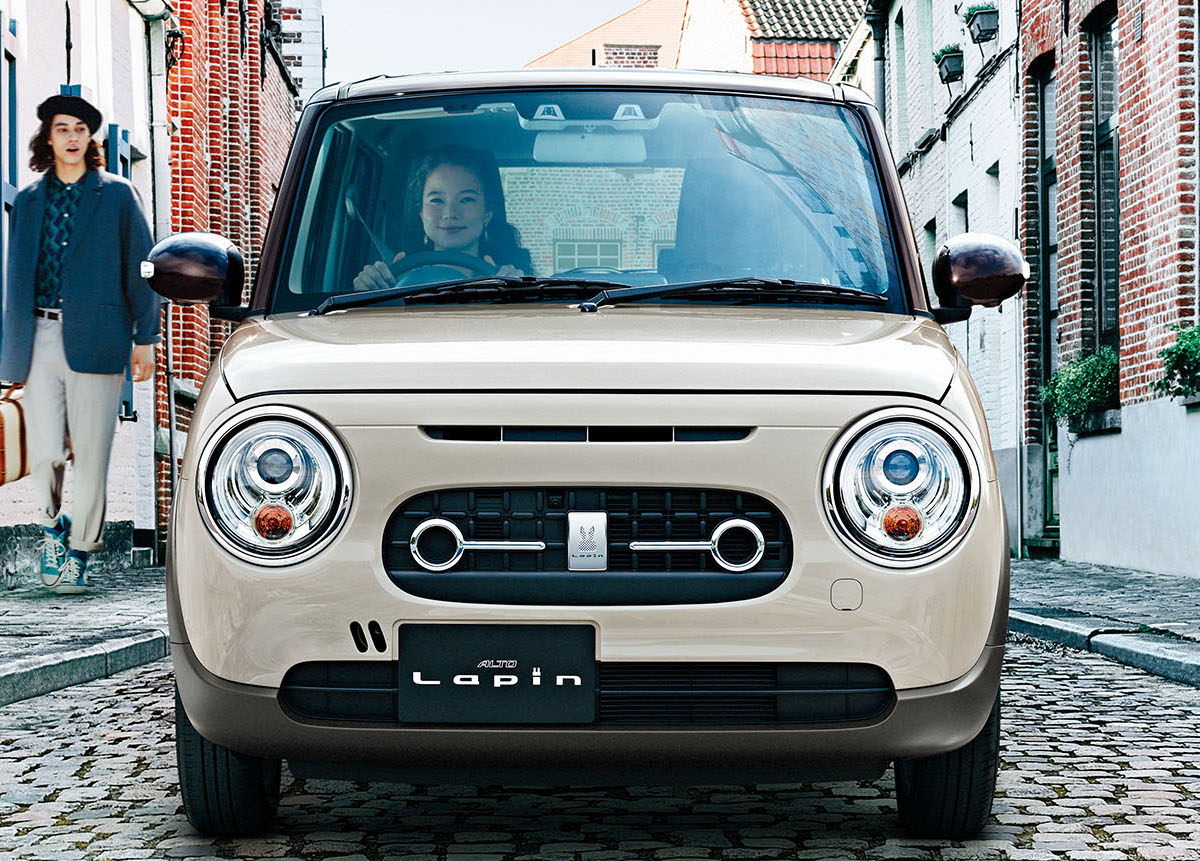
The demand for affordable urban micro EVs is growing, and ACEA aims to ease the introduction of such EVs by creating special EU regulations, like Japan does for its Kei cars. This political statement of ACEA is to promote European competitiveness, especially against Tesla and Chinese makers, as well as the green society and the mobility for all.
The media in general appreciate the idea of low-priced, basic urban EVs for everyone, even if the safety issue remains. The German media and customers are rather skeptical about the much-compromised level of performance, safety, and comfort of such micro EVs.
Pros & cons opinions about Kei cars / micro EVs
The media recognizes the growing demand for affordable urban micro EVs, also relating the expansion of low-emissions zones in European cities and appreciates the basic concepts of Kei cars and political supports, to counter the present direction of producing larger and more expensive vehicles in Europe. The expectations for such micro EVs, however, differ by media: The German media suggest a much cheaper EV than €20,000 to compensate the much-compromised performance, comfort, and safety level, of which German customer comments show a clear skepticism, while other media in general embraces the idea of a basic urban EV for everyone. The issues would be the lack of safety and the boxy body, the latter does not fit the European taste but offers a roomier interior.
欧州大都市における排ガス規制区域の拡大に伴い、手頃価格の都市型マイクロEVへの需要が高まっている。ACEAも日本の軽自動車を手本に、この種のEVへの特別措置の導入を呼びかけた。これにより欧州競争力の強化、グリーンな社会と「万人のためのモビリティ」の促進を目指す。車両安全性に懸念を示すものの、メディアの多数派は低価格な都市型EVの大衆化に賛同している。しかしドイツの一部メディアやユーザーは、超小型EVの性能、安全性、快適性レベルに懐疑的であり、そのマイナス面を補い大衆化するには、さらなる価格低下が必要だとしている。
軽自動車/超小型EVに関する賛否両論
メディア全般は、欧州大都市の排ガス規制区域の拡大に伴う、手頃価格の都市型超小型EVへの需要の高まりを認識しており、今の主流である「大型・高価」なクルマ作りに逆行する軽自動車の基本コンセプトと政治的支援を評価している。しかし超小型EVへの要望は国によりやや異なる:ドイツメディアは、性能・快適性・安全性に大きく劣る超小型EVは2万ユーロよりはるかに廉価であるべきとし、ドイツユーザーもこれらの車両性能に懐疑的だ。しかしメディア全般は、安全性に懸念は残るものの、大衆的でベーシックな性能の都市型BEVに賛同している。また、軽自動車のような箱型ボディは欧州ユーザー好みではないが、その広い車内空間は評価されている。
References:
LUCA DE MEO WILL GÜNSTIGES ELEKTROAUTO BAUEN – Bringt Renault das EU-Kei-Car?, Auto Motor und Sport, 13 May 2023
https://www.auto-motor-und-sport.de/news/renault-elektroauto-kleinstwagen-kei-car-billig-zukunft/
Autoboss fordert irres Gesetz: Nur noch winzige E-Autos sollen in die Städte, e-Fahrer (Chip), 6 Dec. 2023
Why are there no kei-cars policies in Germany?, reddit, Feb. 2023
How Japan’s small Kei cars could thrive in Europe, Autocar, 23 Mar. 2023
https://www.autocar.co.uk/car-news/new-cars/how-japan%E2%80%99s-small-kei-cars-could-thrive-europe
KEI CARS TO THE EUROPEAN? WHY NOT?, Pistonudos, updated, originally published in Nov. 2013
https://www.pistonudos.com/en/kei-cars-to-the-european-why-not
Should we all embrace Japan’s kei car model – small, cheap, but not exactly safe?, Electrek, 3 Dec. 2023
Kei cars, the solution to city traffic that we should implement in Europe, Auto Bild Spain, 11. Oct. 2023