
Have you heard of HomeExchange?
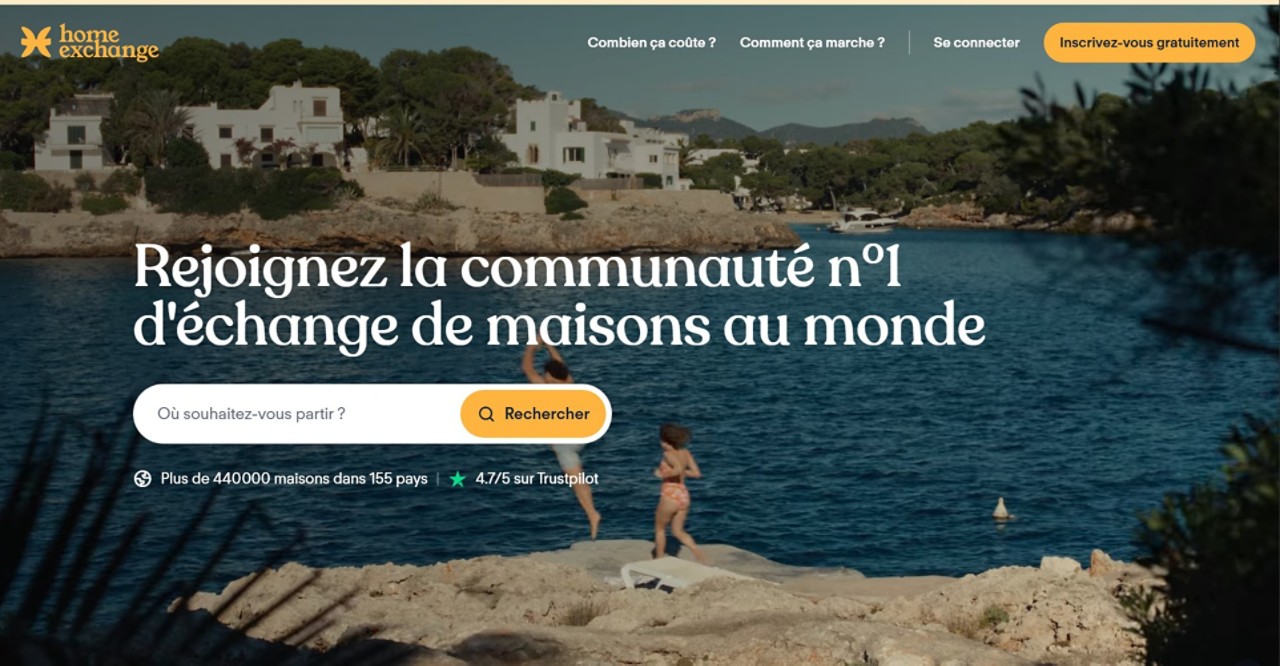
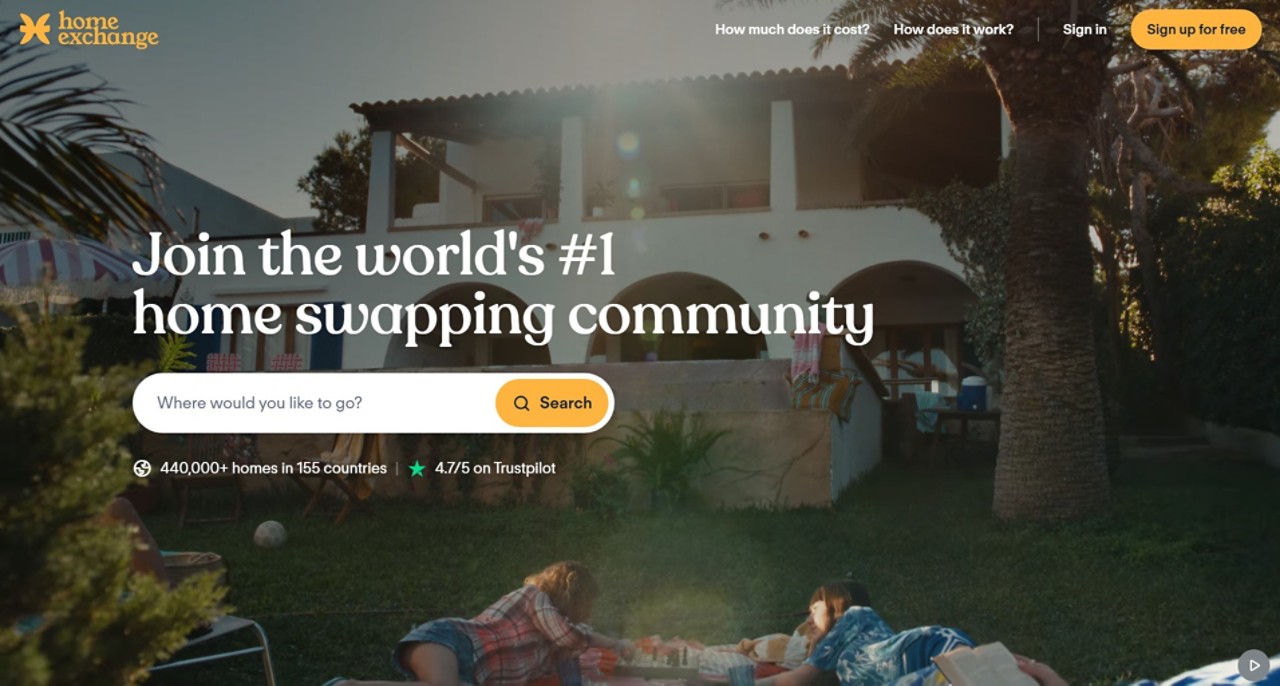
The French company dominates the home-swap market, with an estimated 80% share, and it is expanding quickly. The concept is simple: lend your home and stay in someone else’s for your holidays.
Over the past two years, the number of subscribers has doubled to more than 200,000, with three-quarters based in France, Spain, the United States, Canada and Italy. Compared with Airbnb’s roughly five million hosts, HomeExchange remains a niche player in the collaborative economy. Yet its ambitions are far larger, with a long-term goal of reaching 20 million users.
The model relies on points. Members earn them by hosting and spend them when they travel. The number awarded depends on factors such as location, proximity to tourist sites, amenities, and capacity. A studio overlooking the Eiffel Tower may require less preparation than a suburban apartment sleeping ten, but hospitality remains central to the community.
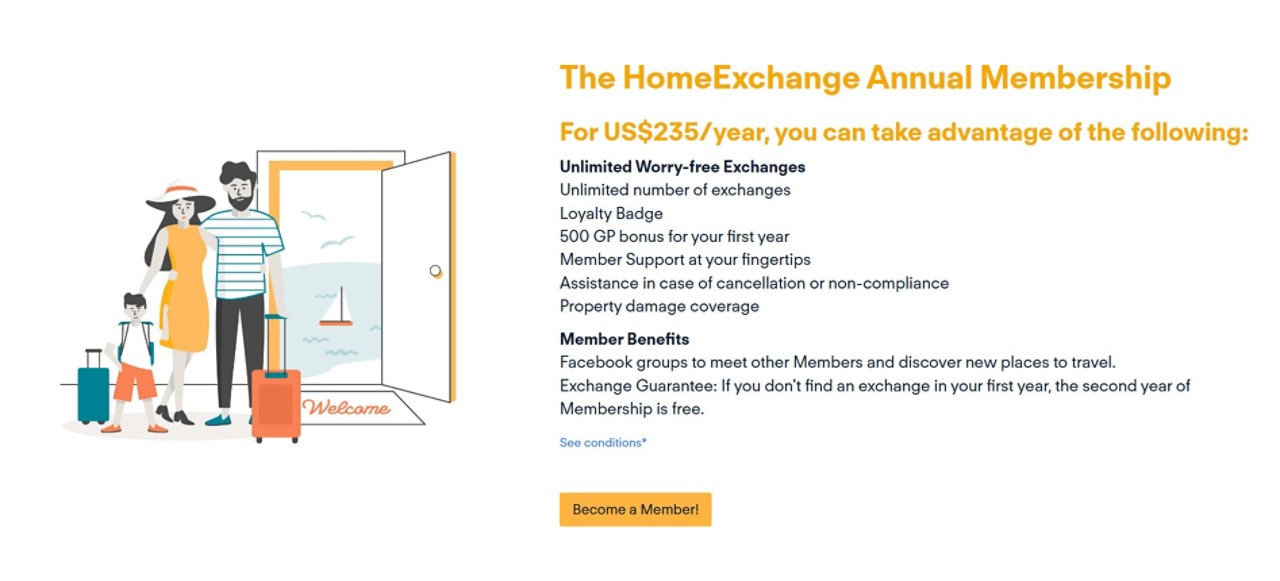
Affordability is a key draw. As Airbnb prices edge closer to hotel rates, weighed down by service and cleaning fees, HomeExchange charges an annual subscription of about €175. For travellers seeking lower accommodation costs, that can be compelling—especially in Europe, where prolonged inflation and stagnant wages are pushing families to hunt for cheaper summer breaks.
Authenticity is another factor. Many Airbnb listings are now investment properties rather than primary residences. HomeExchange, by contrast, tends to offer lived-in homes and a more personal connection with hosts. In countries such as France, where staying with friends or relatives has long been a way to cut holiday costs, the idea resonates.
The platform reports overwhelmingly positive reviews—around 99.5%—even though arranging a swap can involve lengthy conversations. As a result, it is particularly popular with families and travellers in their fifties and beyond. The network is also spreading, with a growing number of options in destinations such as Tokyo.
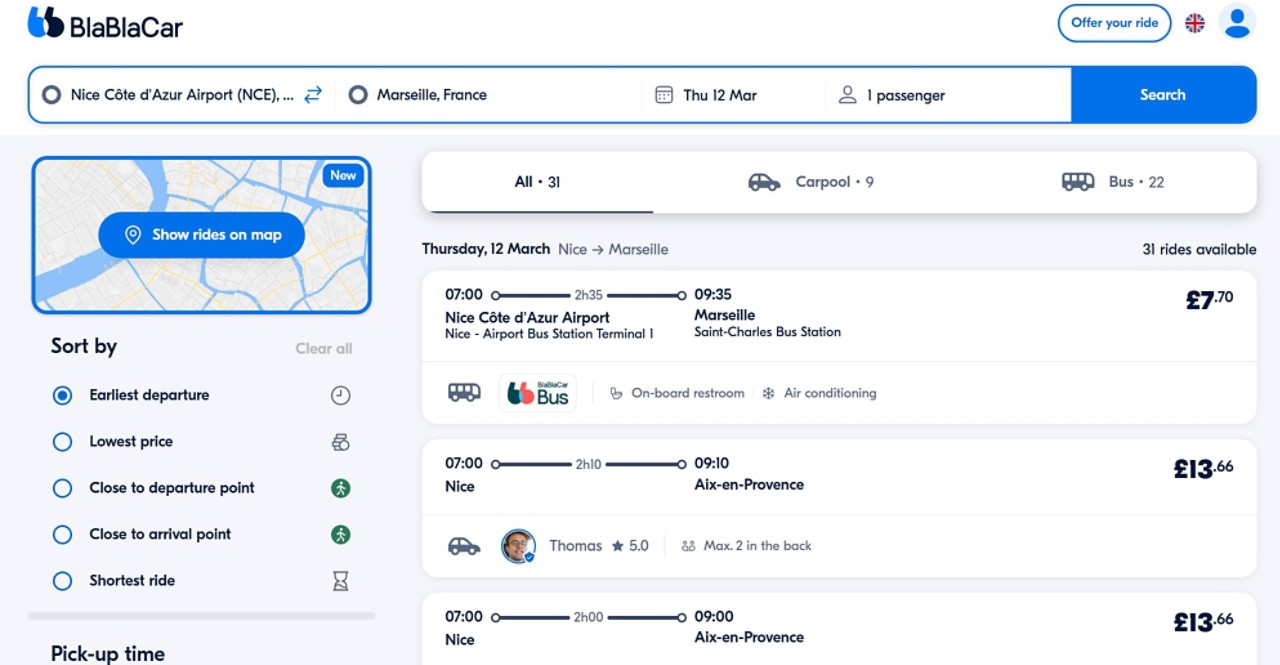
France has produced other collaborative-economy successes. BlaBlaCar, the Paris-based carpooling platform founded in 2006, now connects millions of drivers and passengers across Europe, South America and Asia, helping travellers share costs, reduce emissions and, often, strike up conversations along the way.
このフランス企業HomeExchangeはホームスワップ市場で約80%のシェアを占め、急速に拡大しています。そのコンセプトはシンプル:休暇中に自宅を貸し出し、他人の家に滞在するのです。
過去2年間で会員数は倍増し20万人を超え、その4分の3はフランス、スペイン、米国、カナダ、イタリア人です。Airbnbのホスト約500万人と比較すると、シェアエコノミーでのニッチ的存在ですが、長期的には2000万人のユーザー獲得という大きな目標を掲げています。
ポイント制のビジネスモデルを採用し、会員はホストとしてポイントを稼ぎ、そのポイントを旅行に使える仕組みです。付与ポイント数は、立地、観光地へのアクセス、設備、収容人数などで決まります。エッフェル塔を見渡せるワンルームは、郊外の10人収容できるアパートほど手間がかからないかも知れません。しかしいずれの場合も、このコミュニティの中心となるのは「おもてなしの心」です。
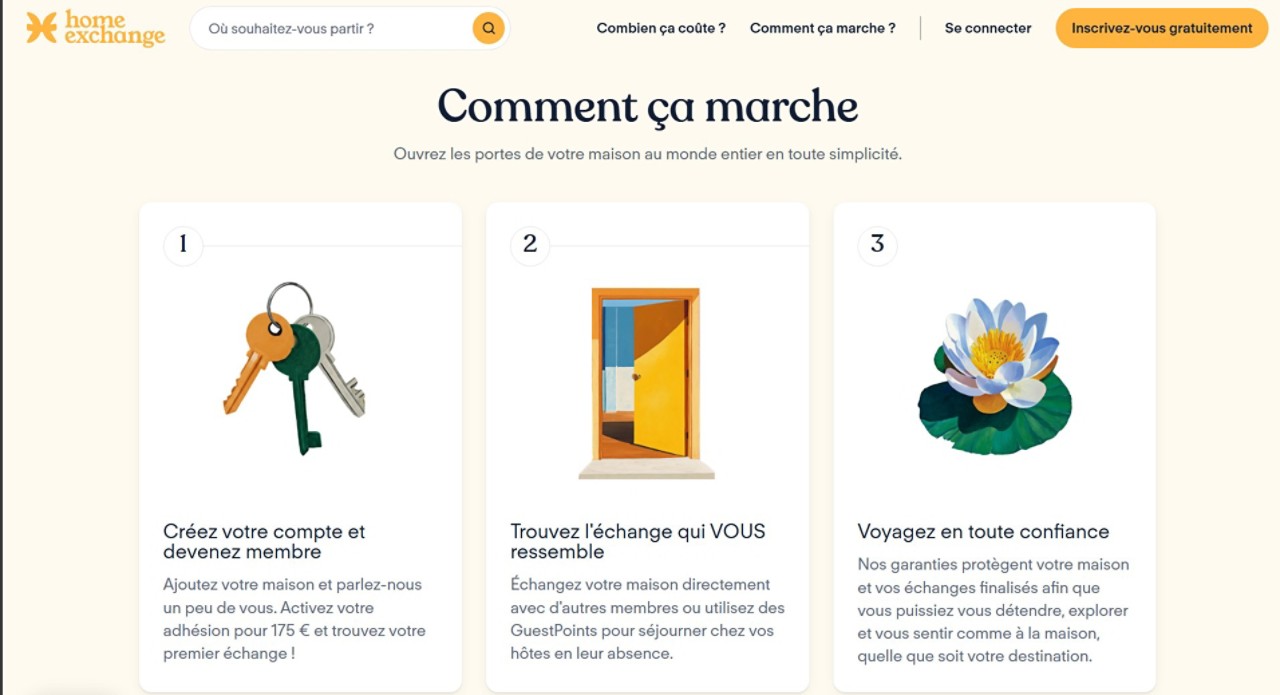
サービス料や清掃費が上乗せされるAirbnbがホテル並みの料金となる中、HomeExchangeの大きな魅力は、その手頃な価格です。年間約175ユーロ(約3万2千円)のサブスクリプション制で、宿泊費を抑えたい旅行者にとって、特に欧州では納得の価格です。長期化するインフレと賃金停滞の中、より廉価なバケーションを求める家族にはピッタリです。
ホンモノ感も重要です。Airbnbの掲載物件の多くは投資用で、居住用ではありません。それとは対照的に、ホームエクスチェンジは実際に生活している家を提供し、ホストとの個人的な繋がりを重視しています。フランスなど、休暇の費用を節約するため友人や親戚宅に滞在することが定着している国々では、このコンセプトが共感を呼んでいます。
双方の家の交換には長時間を要する場合があるものの、利用者の評価は圧倒的(約99.5%)に良く、特に家族連れや50代以上の旅行者に人気が高いようです。そのネットワークは拡がり続け、東京などでも対象物件が増えています。
フランスでのシェアエコノミーの成功例では、2006年パリ発祥の相乗りプラットフォーム「ブラブラカー」があります。現在、ヨーロッパ、南米、アジアで数百万人のドライバーと乗客をつなぎ、旅費の分担に加え、人と人との交流を生み、さらにCO2排出量の削減にも役立っています。