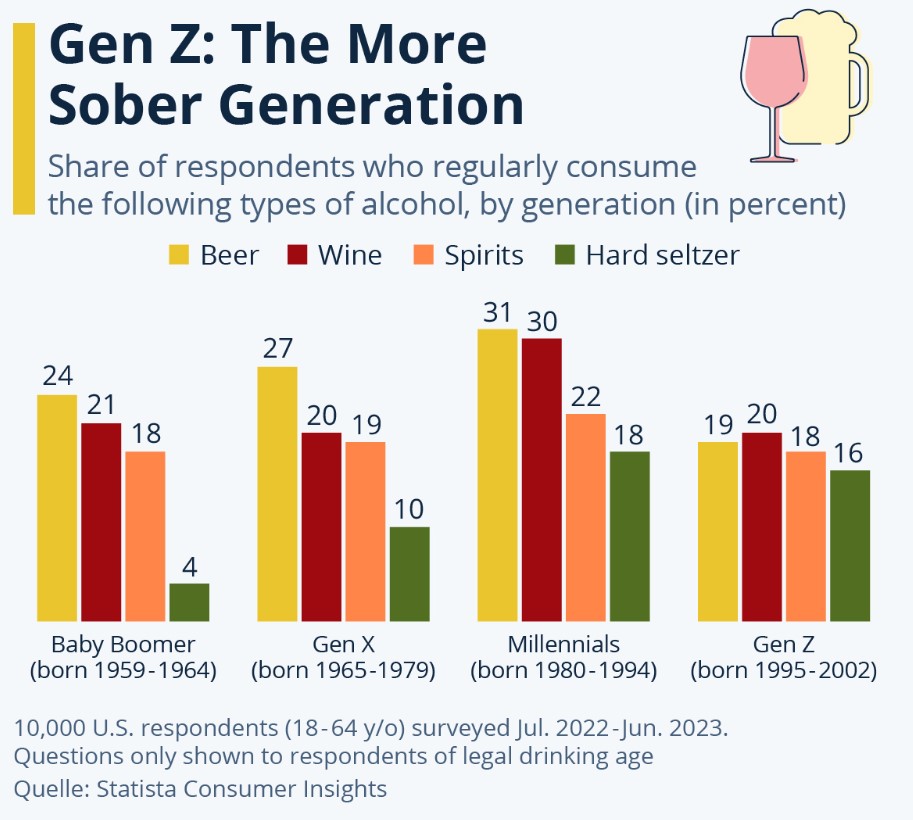

The British-born campaign of Dry January has, for several years now, been gaining ground in France. At the same time, Generation Z has built a global reputation for drinking less alcohol than previous cohorts. Yet as their disposable income begins to rise, statistics suggest a more nuanced picture: consumption of spirits among young people is edging upwards.
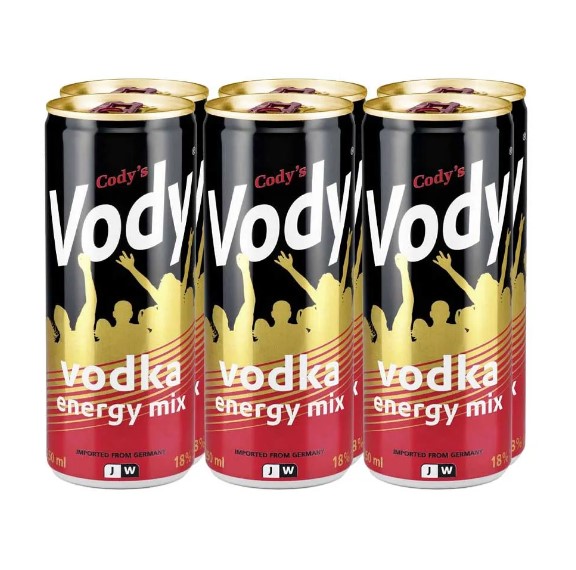
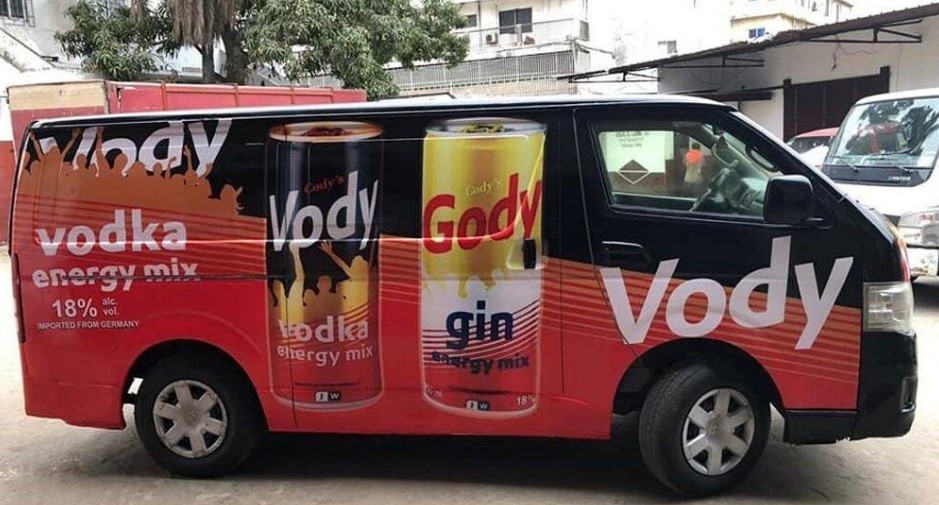
In France, concern has been mounting over influencers promoting high-strength alcohol and newly launched caffeinated spirit-based drinks. One such product, Vody, imported from Germany, combines 18–22 per cent alcohol with caffeine and at least 20 grams of sugar per serving. Doctors and consumer advocacy groups have expressed alarm at the growing popularity of such beverages among younger drinkers.
Alcohol consumption in France has long begun at an early age. The average age at which teenagers try their first alcoholic drink is around 14, typically in the final year of collège. The legal drinking age, of course, is 18, and public health authorities continue to warn of the risks alcohol poses to developing bodies. It is often considered preferable for adolescents to experience alcohol in a supervised home setting rather than experimenting unsupervised with friends, unaware of their limits. Unlike in Japan, where public drunkenness may be treated with relative indulgence, losing control through overconsumption in France is generally viewed as socially unacceptable.
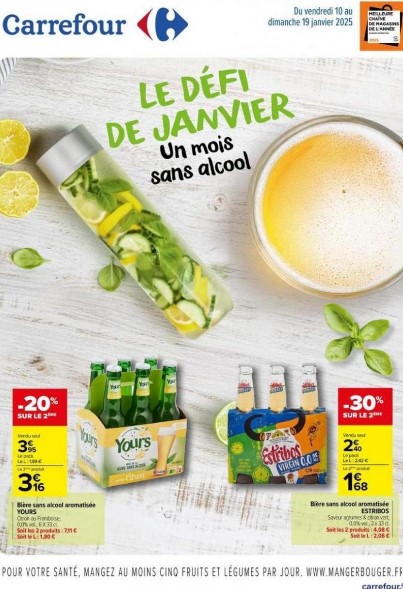
Yet the broader data points to a marked cultural shift. Generation Z is, overall, less inclined towards alcohol. Alcohol-free bars are multiplying across French cities, and even football clubs have begun offering zero-alcohol alternatives. Major supermarket chains have embraced Dry January with prominent promotions, while influencers increasingly advocate periods of abstinence and mindful drinking.
For many young people today, alcohol is no longer seen as a prerequisite for a night out. Instead of wine, spirits or cocktails, some opt for premium soft drinks, with ginger beer and ginger ale gaining popularity. While ginger ale remains a niche choice in Japan, in France the market for organic ginger beer has matured to the point that it is now widely available in restaurants and bars. Paying slightly more for a non-alcoholic, artisanal alternative has become socially acceptable, even fashionable.
Despite France’s enduring status as one of the world’s leading wine-consuming nations, overall consumption is in decline. In 2025, wine sales in large-scale retail outlets fell by 7 per cent, reflecting reduced consumption among older drinkers and limited engagement from younger consumers.
The demographic shift is striking. While 45 per cent of those aged 18 to 25 now cite wine as their preferred alcoholic drink—a modest increase on previous years—this has not offset the sharper drop among older generations.
Within the market, patterns are changing:
Health and lifestyle considerations are also reshaping the landscape. Abstinence is rising, particularly among women, with 17 per cent of respondents identifying as non-drinkers. This broader move towards moderation and wellbeing is steadily redefining France’s historic relationship with wine and alcohol more generally.
英国発の「ドライ・ジャニュアリー」運動はここ数年、フランスでも浸透しつつある。またZ世代は、旧世代より飲酒量が少ないことで世界的に知られている。しかし可処分所得が増え始めた今、統計は若年層における蒸留酒消費量の緩やかな増加傾向を示している。
フランスでは、アルコール度数の高い酒類や新登場のカフェイン入りスピリッツ飲料をインフルエンサーが推奨する動きへの懸念が高まっている。ドイツから輸入された「ヴォディ」は、アルコール度数18~22%にカフェインと1杯あたり最低20グラムの糖分を配合した飲料だ。医師や消費者団体は、これらの飲料が若年層の人気を集めている現状を警告している。
フランスでは以前から、アルコール摂取が若年層で始まっている。初めてアルコールを口にする平均年齢は約14歳で、通常は中学校最終学年にあたる。当然ながら、飲酒が許される法定年齢は18歳以上だ。そのため、公衆衛生当局は成長期の身体へのアルコールのリスクを警告し続けている。監視の無い状況で青少年が友人たちと自身の限界を知らずに試し飲むより、家族の監督下でアルコールを体験する方が望ましいと考えられている。日本は公共の場での泥酔に比較的寛容だが、フランスでは飲み過ぎによる自制心の喪失は社会的に許容できない行為と見なされる。
しかしより広範なデータから、明らかな文化的変化が見られる。Z世代は総じてアルコールへの関心が低い。フランス各都市でノンアルコールバーが増加し、サッカークラブでさえノンアルコールの代替飲料を提供し始めた。大手スーパーマーケットチェーンは「ドライ・ジャニュアリー」を前面に押し出したプロモーションを展開し、インフルエンサーも断酒期間やたしなみのある飲酒を推める動きが強まっている。
今の若者は、夜を楽しむのにアルコールが不可欠だとは考えていない。ワインやスピリッツ、カクテルの代わりにプレミアムソフトドリンクを選ぶ者も増え、ジンジャービールやジンジャーエールが人気を集めている。ジンジャーエールは日本ではニッチな飲み物だが、フランスでは有機ジンジャービール市場が成熟し、レストランやバーで広く提供されている。値段は多少高いが職人技によるノンアルコール代替飲料を選ぶことは、社会的に受け入れられ、むしろ流行りとなっている。
フランスは世界有数のワイン消費国だが、全体の消費量は減少傾向にある。2025年には大規模小売店でのワイン販売量が7%減少し、高齢層の消費減少と若年層のライン離れを反映している。
人口動態変化の影響も大きい。18~25歳の45%(前年比小幅増)がワインを好むアルコール飲料に挙げているが、高齢層の急激なワイン消費減少を相殺できていない。
市場内では消費パターンが変化:
• ロゼワインと白ワインの人気上昇:ロゼは現在売上高の29%を占め、2025年上半期には前年比2.3%増を記録。白ワインは依然広く消費され、アンケート回答者の91%が飲用している。
• 苦戦が続く赤ワイン:2025年の消費量は7.5%減少し、赤ワインに依存する伝統的な生産者には大きな課題だ。
健康とライフスタイルへの配慮も状況を変えつつある。特に女性を中心に禁酒傾向が強まり、回答者の17%は非飲酒者だ。節度と健康志向への大きな動きは、フランスが歴史的に築いてきたワイン、そしてアルコール全般との関係を徐々に再定義しつつある。