
. Learn about new design practices in terms of sustainability, craftsmanship & innovation
. Discover new research & future vision on urban planning & mobility
. Strenghten your creative & innovation network
Focus on:
SUSTAINABILITY/CIRCULAR ECONOMY/CRAFTSMANSHIP/INCLUSIVITY/INNOVATION
トリノ・デザイン調査 '24
アリアーヌ・ヴァン・デ・ヴァンのキュレーションで巡る
· 持続可能性、クラフツマンシップ、イノベーションの観点から、新しいデザイン手法を学ぶ
· 都市計画とモビリティに関する新研究と将来像の発見
· 創造と革新のネットワークを強化
フォーカス:
持続可能性 / 循環経済 / クラフトマンシップ / インクルーシビティ / イノベーション
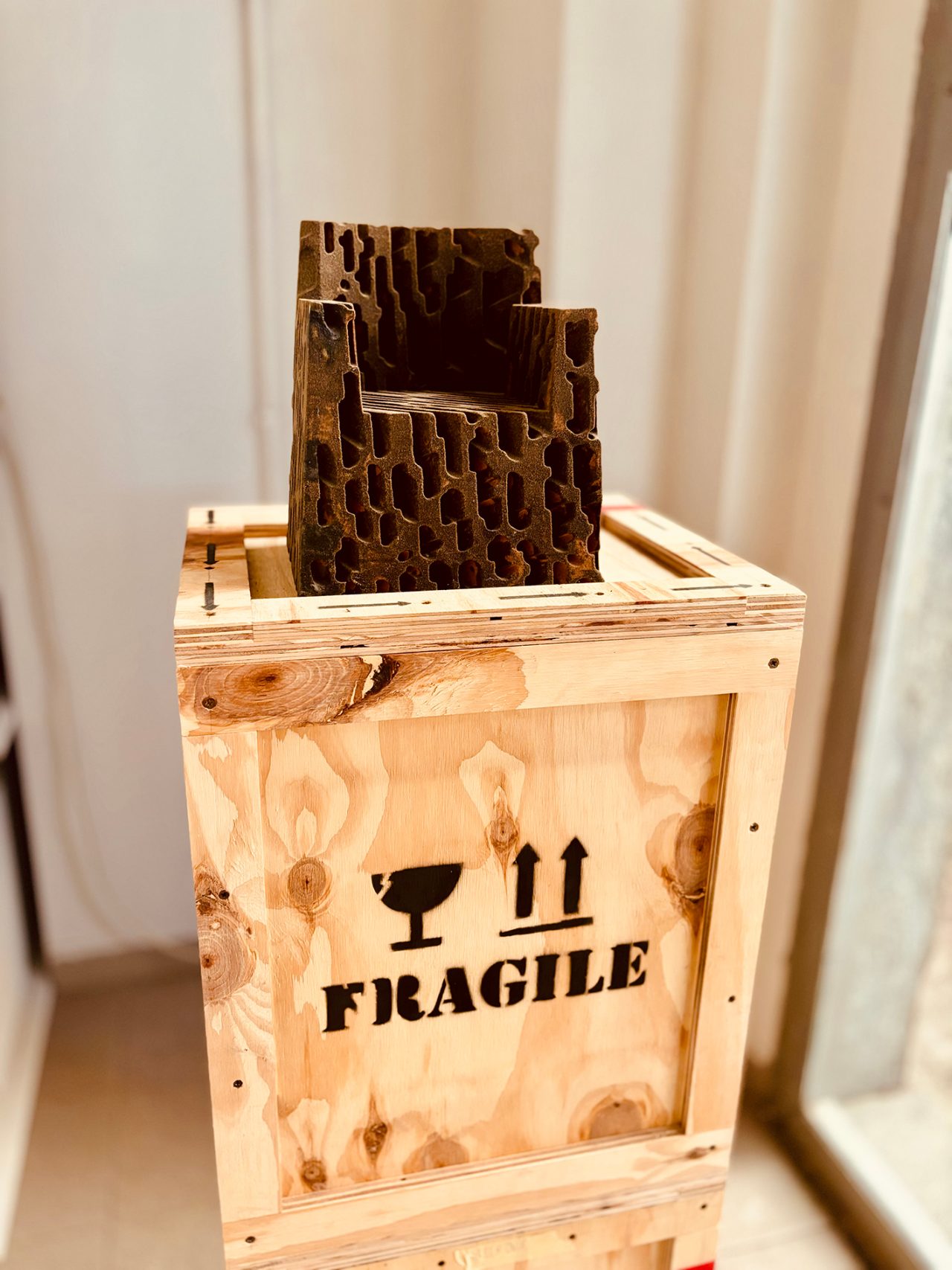
Studio Nucleo is a collective of artists and designers based in Torino, Italy.
Directed by Piergiorgio Robino, Nucleo is active in contemporary art, design and architecture. The collective combines knowledge, theory, practice and production (theoria, praxis and poiesis), while its work derives from hands-on experimentation and takes inspiration from human and natural evolution.
Nucleo experiments with innovative materials such as fibreglass, resin or carbon fibre to discover new archetypes and merge the old with the new. Iconic works by studio nucleo are part of museum collections and important institutions worldwide, as well as fairs such as Design Miami, PAD and Frieze.
スタジオ・ヌクレオ
ピエルジョルジョ・ロビーノ率いる、現代アート、デザイン、建築分野のアーティストとデザイナーの集団。知識、理論、実践、生産を組み合わせた、実践と実験に由来する作品は、人間と自然の進化にインスピレーションを得ている。グラスファイバー、樹脂、カーボンファイバーなどの革新的な素材を用い、新たな原型を見出し、新旧の融合を試みている。
スタジオ・ヌクレオの代表的作品は、世界中の美術館や主要施設に収蔵されている。加えて、デザイン・マイアミ、PAD、フリーズなどの見本市にも出展している。
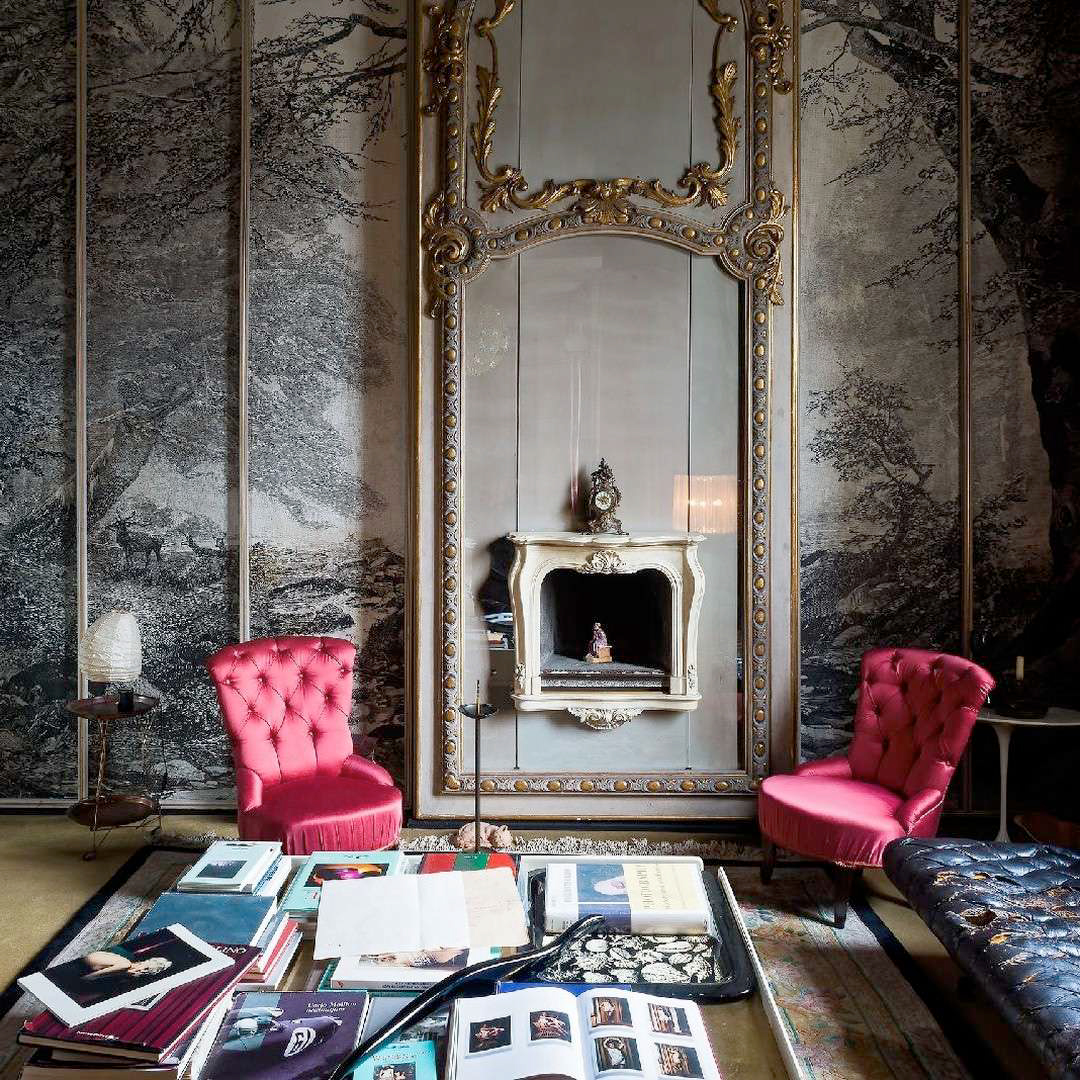
The Museo Casa Mollino conserves the apartment that Carlo Mollino designed for himself. Mollino’s interior design of the apartment dates to between 1960 and 1968; it was not intended to be his home but represents a private project imagined with a strong symbolism. The Museum contains almost all the original furnishings designed or chosen by Mollino and precisely arranged in the overall setting. Casa Mollino is complemented by archives of documents, publications and photographs concerning every aspect and period of Mollino’s work. Casa Mollino has become an international reference point for museums, collectors, and auction houses, providing expertise on Mollino’s vintage furniture and photographs.
カーサ・モリーノ
カーサ・モリーノ美術館は、カルロ・モリーノが自身のために設計したアパルトマンを保存している。彼がインテリアデザインを手がけたのは1960年から1968年にかけてだが、当初は自身の住居を意図したものではなく、象徴性を強調した私的なプロジェクトだった。
美術館には、モリーノ自身がデザイン又は厳選した当時の家具がほぼすべて展示され、全体的なセッティングの中で正確に配置されている。さらに、モリーノの作品に関するあらゆる文書、出版物、写真のアーカイブも所蔵されており、美術館、コレクター、オークションハウスにとって、モリーノのヴィンテージ家具や写真に関する専門知識の国際的拠点となっている。
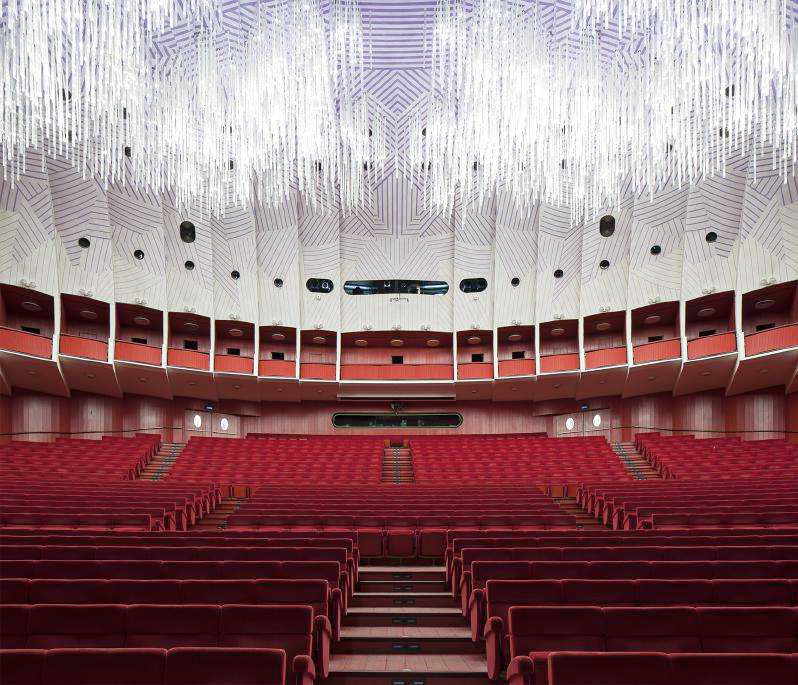
The Teatro Regio designed by Carlo Mollino is in the historic centre of Torino and it was completed in 1973. Using innovative architectural tecniques and luxurious materials throughout, the theatre is a key landmark in Torino and considered an architectural gem.
The advanced technology of the structures, constantly modernized to meet increased production needs, place the Teatro Regio in the vanguard internationally: the stage, one of the largest and most mechanized in Europe, makes it possible to accommodate stage sets of considerable complexity, even more than one at the same time.
テアトロ・レジオ
カルロ・モリーノの設計によるテアトロ・レジオはトリノの歴史的中心部にあり、1973年に完成した。革新的な建築技術と豪華な素材を随所に使用したこの劇場は、トリノの重要なランドマークであり、建築の宝石とみなされている。
また、常に近代化されニーズに対応する先進的な構造技術で先駆的な存在だ。欧州最大級、かつ最も機械化された舞台のひとつであり、非常に複雑な舞台装置にも対応し、また複数の装置を同時に使用することもできる。
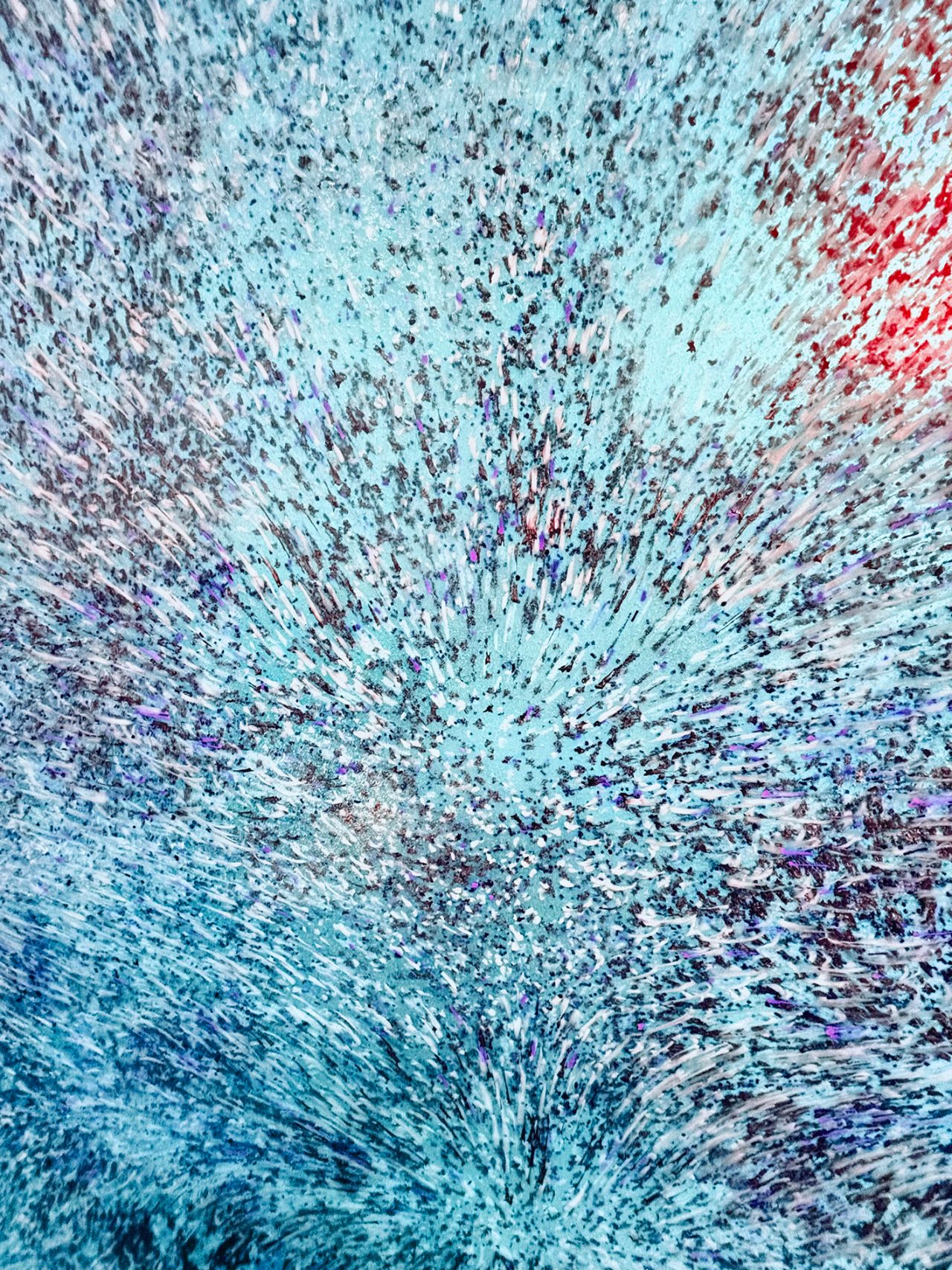
Plastiz is an Italian startup that was born as a response to the environmental and social emergency resulting from the growing invasion of plastic waste. It provides a concrete contribution to circular economy processes by enhancing plastic waste and producing high-quality and aesthetically valuable compact sheets and bars.
Plastiz has the objective to raise awareness, engage, and motivate people to take actions and commitment about the “plastic issue”, circular economy, and sustainable entrepreneurship. To promote among citizens, businesses, and institutions a new paradigm of perception about plastic, through processes, products, and educational workshops.
Recycled plastic panels and semi-finished products | Plastiz
プラスティッツ
プラスチック廃棄物の増加による環境と社会の緊急問題に取り組むイタリアの新興企業。循環型経済の具体策として、プラスチック廃棄物を強化し、高品質で美的価値のあるコンパクトなシートや角材を製造している。
同社が目指すのは、「プラスチック問題」「循環型経済」「持続可能な起業家精神」への認識を高め、人々を巻き込み、行動を促すことだ。プロセス、製品、教育ワークショップを通じて、プラスチックに対する新しい視点や価値観を、市民、企業、団体に普及するよう努めている。
Recycled plastic panels and semi-finished products | Plastiz
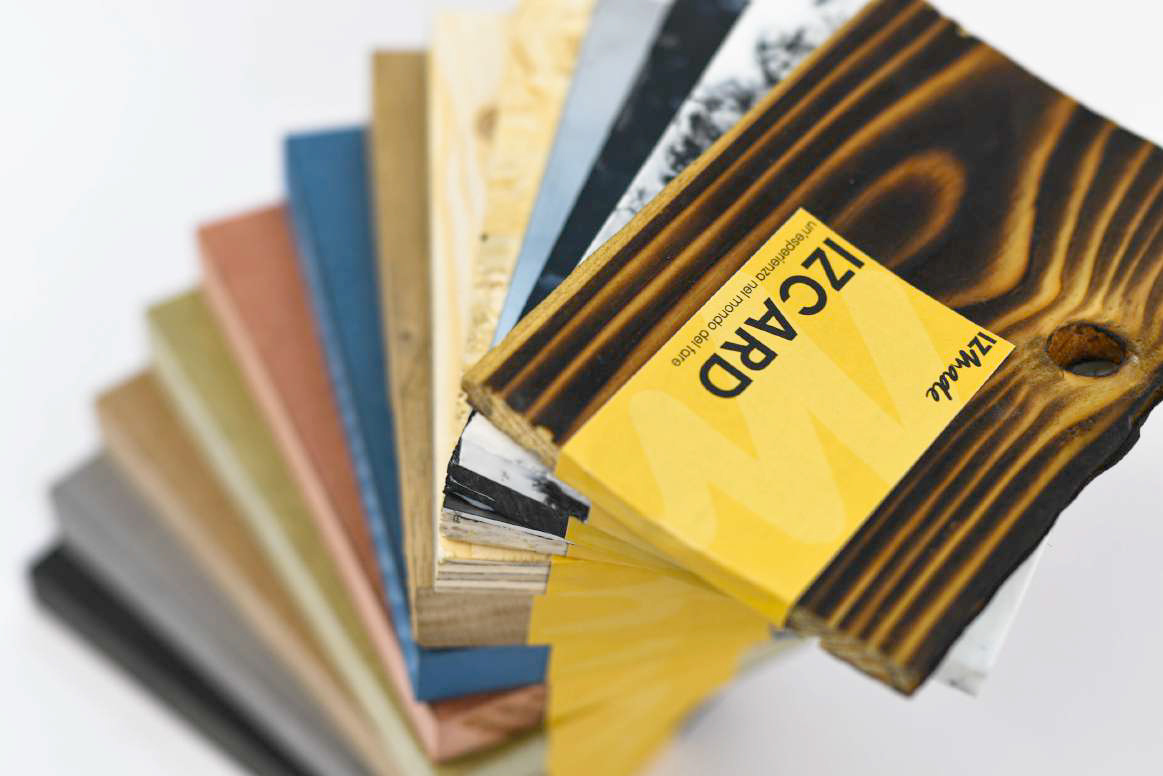
Izmade is a social entreprise that operates in the field of self-made ecodesign, specialized in interior design, in the creation of furniture and accessories.
It is the balance between a design studio and a craft workshop. It manages all stages of building: from ideation to realization and sale. The peculiarity of its products is given by the possibility to customize materials, shapes and functions in order to make all the furnishings and objects unique.
Izmade promotes the use of innovative and eco-sustainable techniques and materials, carefully taking care of all the design and manufacturing phases. The Izlab MakerSpace is also open to the public allowing anyone to use the space and tools. Izmade also manage and organize training and creative workshops and courses such as sharpening, turning, carpentry and basic woodworking.
イズメイド
インテリアデザイン、家具やアクセサリーの制作を専門とする、自作エコ・デザインの分野で活動する社会的企業。
デザインスタジオと工芸工房の中間的存在で、発案から製作・販売までのすべてを手がける。イズメイドの製品の特徴は、素材、形、機能のカスタマイズが可能で、すべての家具やオブジェが一点ものであることだ。
デザインと製造の全段階に注意を払い、革新的でサステナブルな技術や素材の使用に努めている。イズラボ・メイカースペースは一般開放の工房で、誰でもそのスペースやツールを利用することができる。同社はまた、研ぎ、旋盤加工、大工仕事、基本的な木工などのトレーニングや創作ワークショップなども管理運営している。
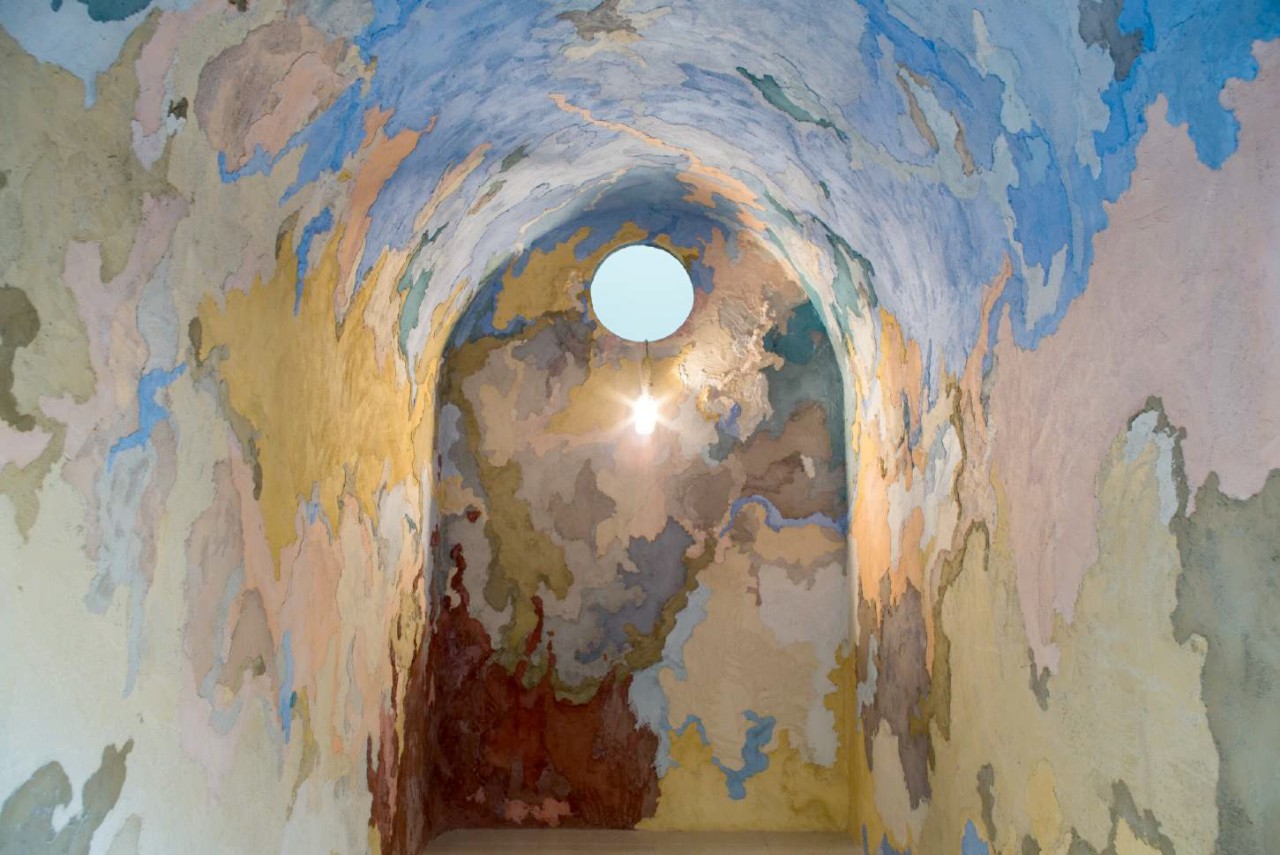
Edoardo Piermattei had always been fascinated by the imposing ancient architectural structures and by the richness of the colour palette in their interior and exterior decorations. His work is a modern and lively reproduction of those admire features. To decorate his architectural structures, Piermattei uses the ancient fresco technique consisting of powders and pigments bonded with glue and concrete. This colourful aspect is a tribute to the great Italian masters.
The idea behind his work is the need to restore Art’s primary position as a determinate and invasive element, both in private and social environments. Such role is essentially the opposite of what happened during the last century, when Art was confined into the mere frame of bourgeoisie’s villas white walls. Most of his work is done in-situ and he has done collaborations with Fendi and CC tapis.
エドアルド・ピアマッテイ
堂々とした古代建築や、その内外装飾の色彩の豊かさに常に魅了され続けてきたエドアルド・ピエルマッテイ。彼の作品は、そうした憧れをモダンで生き生きと再現したものだ。建築物の装飾には、接着剤とコンクリートで固めた粉末と顔料からなる古代のフレスコ技法を採用。この色彩豊かな様相は、イタリアの偉大な巨匠たちへのオマージュである。
彼の作品の背景にある思想は、私的・社会的環境の両方において、決定的要素としての芸術を回復することだ。これは、前世紀に有産階級の別荘に閉じ込められていた芸術とは正反対のものだ。彼の作品のほとんどはその場で制作され、フェンディやCC tapisとのコラボレーションも行っている。
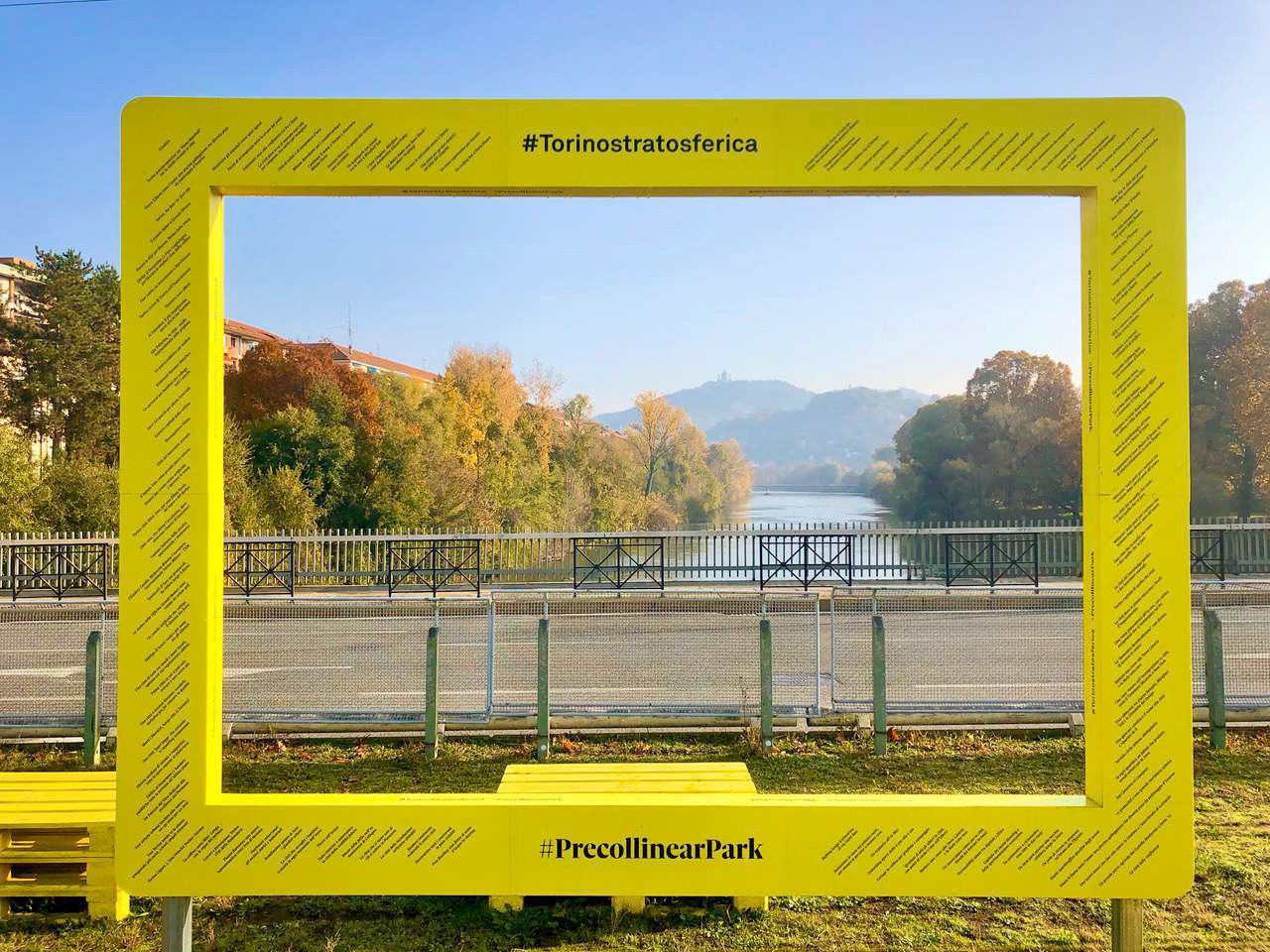
Stratosferica is an organisation that produces and disseminates urban knowledge.Their projects range from research to storytelling, from education to placemaking. They work on cities and territories alongside businesses, public administrations and communities to redefine the positioning of places starting from the ideas of those who live them.
Some of their projects include, Torino Stratosferica is a city-imaging project: a collective laboratory that wants to experience the creative power of urban imagination and the impact of visionary ideas on the city. As well as Utopian Hours, the international festival of city making. For three days the festival gives voice to the protagonists of these changes: city makers and innovators share their experience, stimulating new visions and reflections on urban evolution.
ストラトスフェリカ
都市の知識を生み出し広める組織で、リサーチからストーリーテリング、教育から場作りまで、多岐にわたる活動を行なっている。企業、行政、コミュニティとともに都市や地域に取り組み、地元住民のアイディアからそれぞれの地区・場所を再定義している。
トリノ・ストラトスフェリカという都市イメージ・プロジェクトは、都市イメージの持つ創造力と先見的アイデアが都市に与える影響を体験する集団実験室。また、都市づくりの国際フェスティバルであるユートピア・アワーは、3日間にわたり都市の作り手やイノベーターたちが自らの経験を分かち合い、都市の進化に関する考察を深め、新しいビジョンを創出する場だ。
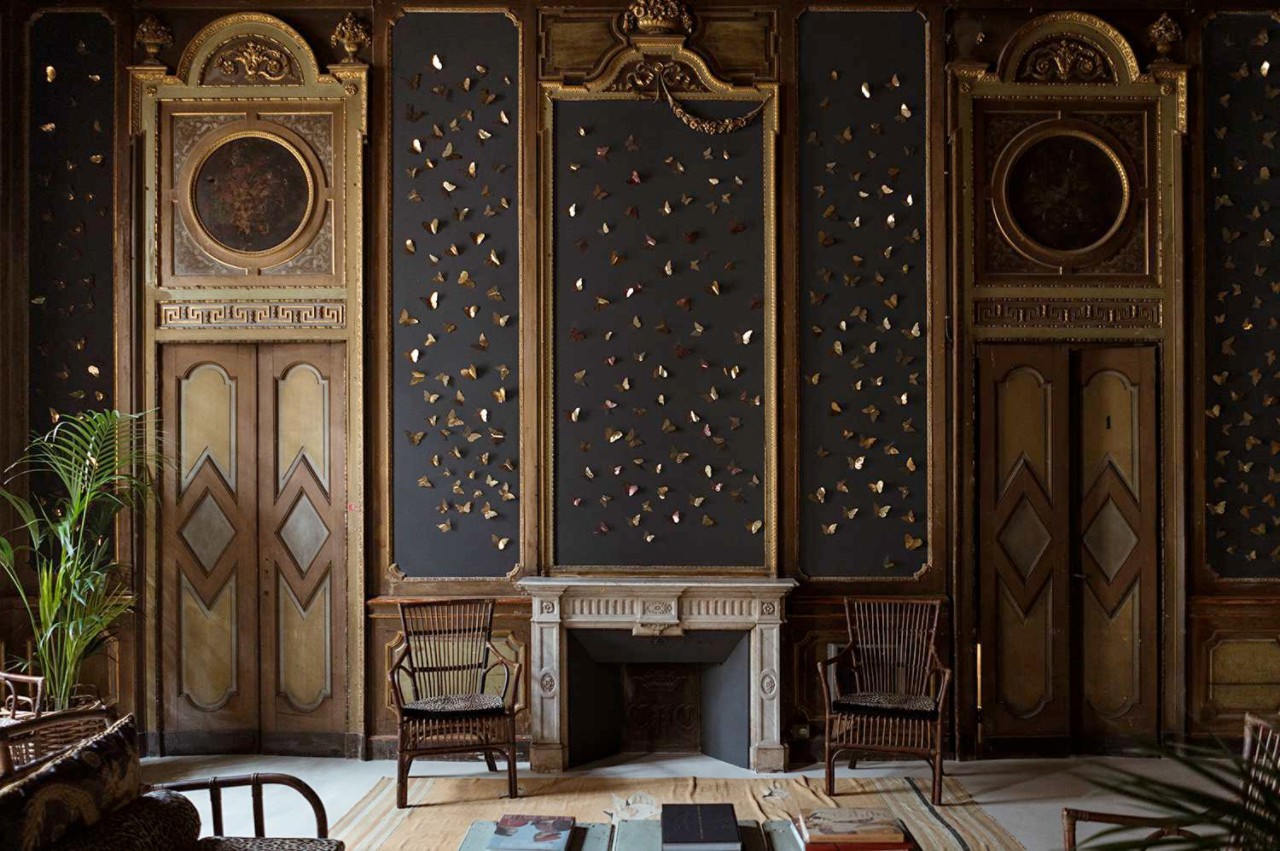
The Schneiberg Museum is located in the historical center of Turin, inside the Palazzo Provana di Collegno.
Within its marvelous rooms it houses an extraordinary collection of Chinese art: The Imperial Silk and Metal Carpets of the Qing Dynasty which ruled in China between 1644 and 1911.
The exhibition spreads across eight rooms in which 36 carpets of the permanent collection are presented according to a theme dear to the classical Chinese Taoist symbolism, also known as the alchemical journey in search of the elixir. The eight stages of this journey, through masterpieces of silk and metal, allow the visitor to approach the universe of the Qing court in a completely new manner.
シュナイベルク美術館
トリノの歴史的中心地にあり、清朝(1644〜1911年)の絹と金属繊維の絨毯のコレクションを展示している。
常設コレクションの36点の絨毯が、道教の象徴である「錬金術の旅」のテーマに沿って、8つの部屋に展示されている。絹と金属の傑作を通して旅の8つの段階を体験することで、清の宮廷の世界を間近に感じることができる。
CIRCULAR ECONOMY: Innovative sustainable systems that are kinder to people and planet
INCLUSIVITY: Using design as a tool to engage with underserved communities
SUSTAINABILITY: Rethinking how to view waste, design protocles to reduce or re-use waste, discovery of new bio materials
INNOVATION: Research & innovative technologies to develop new materials, processes and usages
CRAFTSMANSHIP: Design processes inspired by traditional craftmanship with contemporary applications
学んだこと
循環経済:人と地球に優しい革新的な持続可能システム
インクルーシビティ:充分なサービスを受けていないコミュニティのため、デザインをツールとして活用
持続可能性:廃棄物の捉え方の再考、廃棄物の削減や再利用のためのデザインプロトコール、新しいバイオ素材の発見
イノベーション:新素材、プロセス、用途を開発するための研究と革新的技術
クラフトマンシップ:伝統的クラフトマンシップに触発されたデザインプロセスを現代に応用
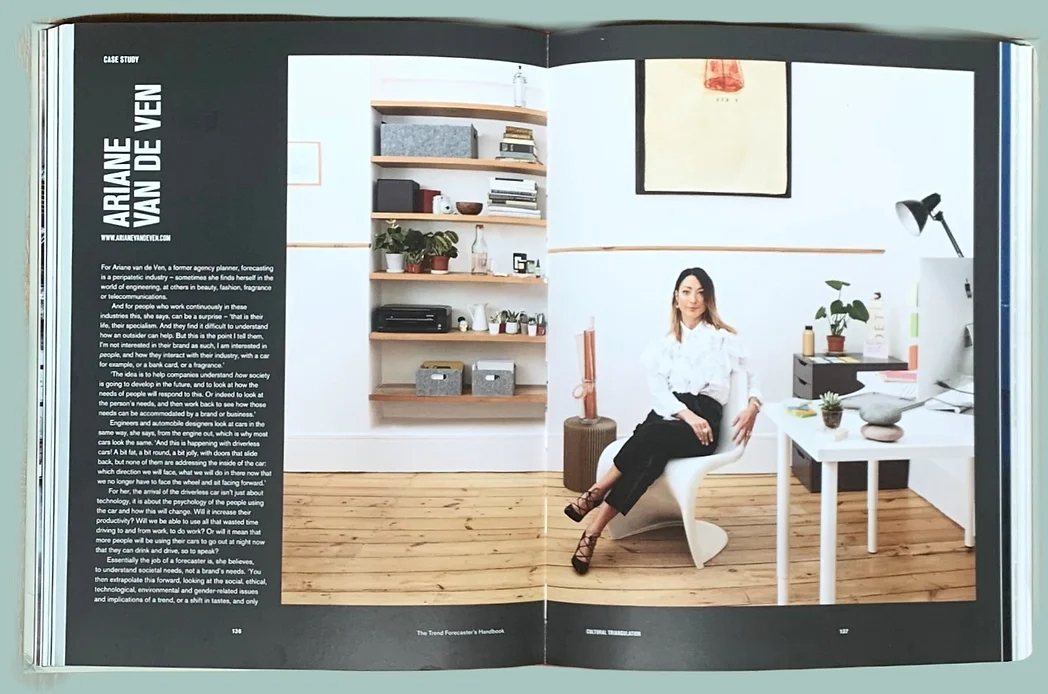
’Trends are manifestations of people's emotional needs. They are driven first and foremost by emotions. In a context where the pace of change is ever increasing, identifying evolving mindsets and behaviours that are shaping society's emotional landscape is crucial. I developed a unique methodology to ensure that the trends insights I provide are fully actionable by my clients.’