
Discover the best creative talents & projects during Salone del Mobile/Milano Design Week to inspire ED2 & Calty teams in their design research & process.
Focus on:
SUSTAINABILITY/CIRCULAR ECONOMY/CRAFTSMANSHIP/INCLUSIVITY/INNOVATION
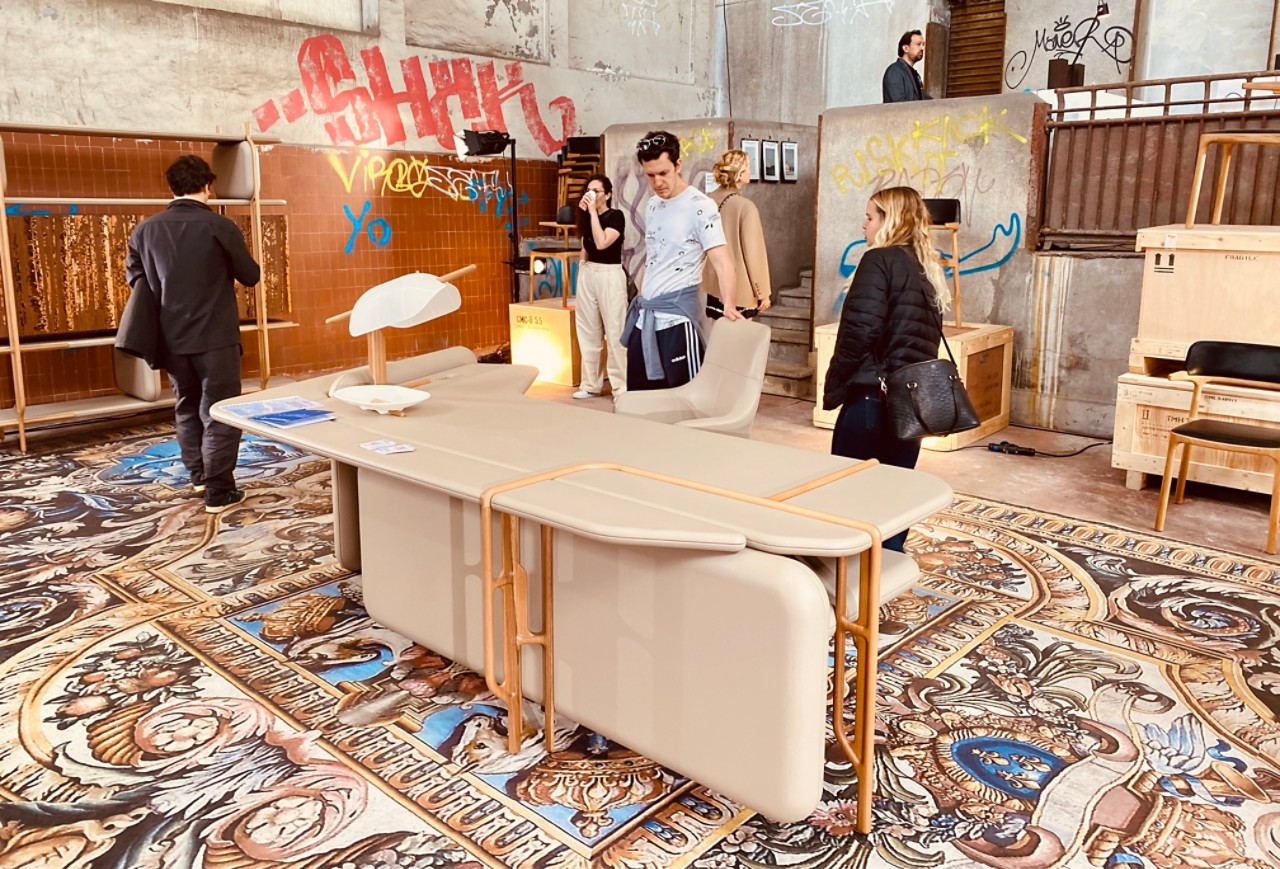
Nina Yashar believes in valuing design to tell stories. She founded Nilufar Gallery in Milan in 1979. Originally located in via Bigli and specialised in antique carpets, a passion she inherited from her Iranian parents, the Gallery soon launched a series of pioneering shows. By the end of the Nineties, the Gallery, now located in via della Spiga, ventured into modern and contemporary furniture, showcasing the work of midcentury masters alongside unusual carpets, cutting edge furniture and emerging designers’ pieces. In 2015, in a building that once housed a silverware factory, Nina Yashar opened Nilufar Depot. This wide space of 1,500 square meters, arranged over three levels with a layout inspired by the Teatro alla Scala in Milan and renovated by Italian architect Massimiliano Locatelli, seats part of Yashar’s extensive design collection, in an atmosphere allowing contemporary design to find a harmonious connection with iconic pieces of historical design.
For Milan Design Week 2023 Nilufar presented “The Bright Side of Design”, an exhibition that showcases old design masters together with especially commissioned pieces from contemporary designers.
ミラノサローネ/ミラノデザインウィークで最もクリエイティブな才能とプロジェクトを発見し、ED²とCaltyチームのデザインリサーチ&プロセスにインスピレーションを与える企画。
フォーカス:
持続可能性 / 循環経済 / クラフトマンシップ / インクルーシビティ / イノベーション
ニルファー・デポ / NILUFAR DEPOT
ストーリーを伝えるデザインを大切にする、ニーナ・ヤシャール。1979年、ミラノにギャラリーを設立した当初は、イラン人の両親から受け継いだアンティークの絨毯を専門としていたが、すぐさま一連の先駆的ショーを開始。90年代末にはモダン&コンテンポラリー家具の分野にも進出し、中世の巨匠たちの作品に加え、珍しい絨毯や最先端の家具、新進デザイナーの作品の展示に着手。2015年に「ニルファー・デポ」をオープン。ミラノ・スカラ座にヒントを得たレイアウトで、3層構造・1500㎡のスペースに、自身のコレクションの一部を展示し、コンテンポラリーデザインと伝統的デザインの調和した雰囲気を醸し出している。
ミラノデザインウィーク2023では「The Bright Side of Design」と題し、古き良きデザインの巨匠達と現代のデザイナー達の作品を展示している。
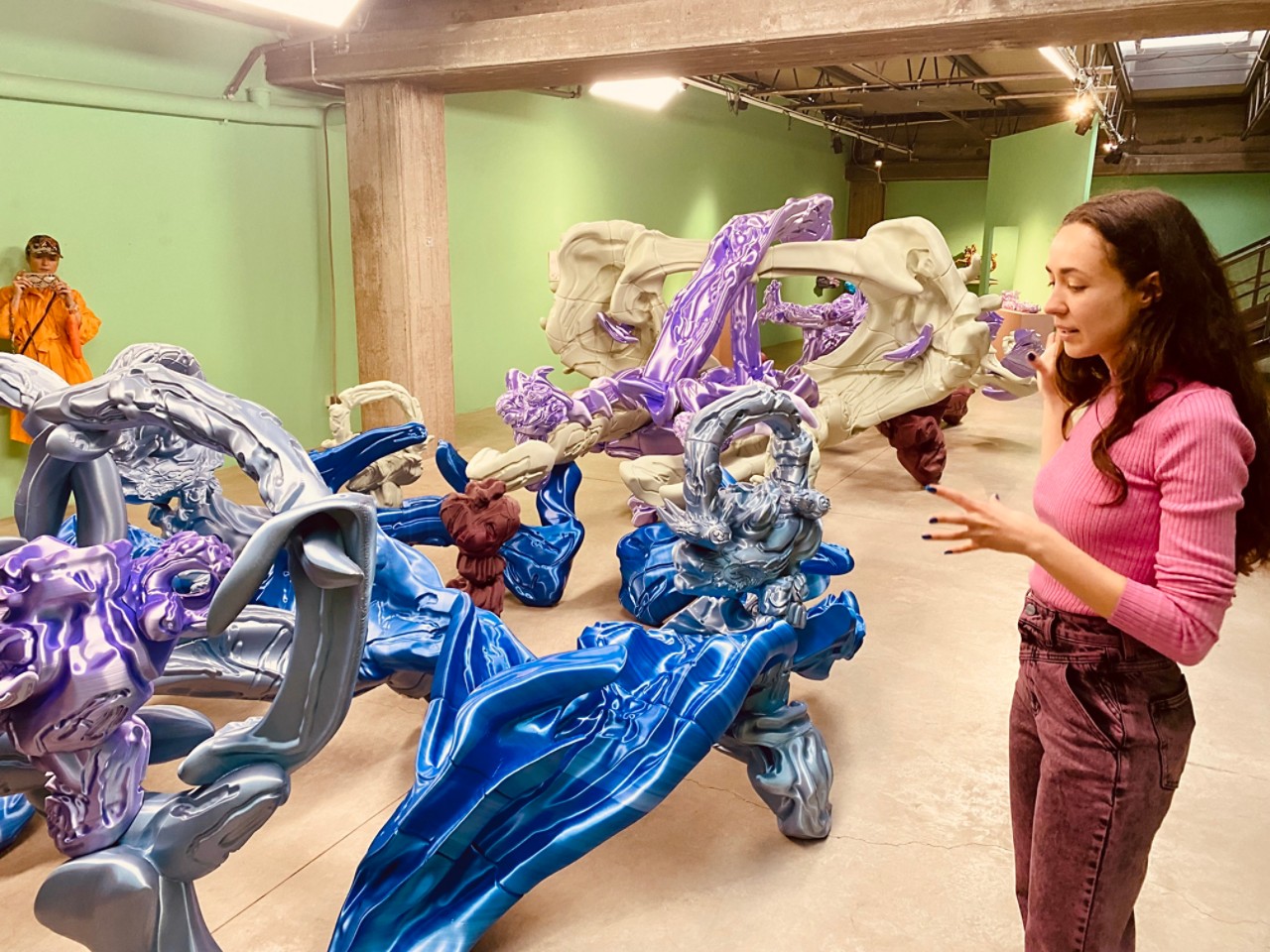
Audrey Large began collaborating with Nilufar in 2019. On the occasion of Milan Design Week 2023, Nilufar dedicated the spaces of the so-called “Palcoscenico” to Large for her most extensive solo exhibition in the gallery to date. The exhibition CELESTIAL PROCEEDINGS, orchestrated side by side with Nina Yashar, is an explosion, even in terms of size, of the research undertaken by the artist and presented by the gallery over the years.
Large created the sculptures by drawing shapes by hand on a digital tablet, after which she 3D-printed the physical polylactic acid (PLA) sculptures that intend to represent 2D digital forms seen on-screen. Presented in iridescent shades of bright green, yellow and purple, the sculptures are ambiguously shaped, with a liquid-looking texture that resembles molten lava.
Large physical sculptures are created from "infinitely transformable" digital files, they suggest the possibility of morphing into something else too.
Audrey Large is an Eindhoven-based French designer whose bold, irridescent work sets out to actively complicate the relationship between image and object—real and digital.
オードリー・ラージは2019年からニルファーとのコラボレーションを開始。ニナ・ヤシャールとの共同企画による大規模な展示「CELESTIAL PROCEEDINGS(天空のイベント)」は、ラージの長年のリサーチとギャラリー発表の成果の集大成だ。
デジタルタブレットに手書きで形を描き、ポリ乳酸(PLA)を3Dプリントし、スクリーン上で2Dデジタルフォームを表現するための彫刻を制作。鮮やかな緑、黄色、紫の虹色の色合いで表現された彫刻は、曖昧な形状で、溶けた溶岩のような液体状の質感を持っている。大型の彫刻は「無限に変形できる」デジタルファイルで制作され、別のものに変形してゆく可能性を秘めている。
ラージは、オランダ・アイントホーフェン市を拠点に活動するフランス人デザイナーで、その大胆な虹色の作品は、イメージと物体、リアルとデジタルの関係を複雑化したものだ。
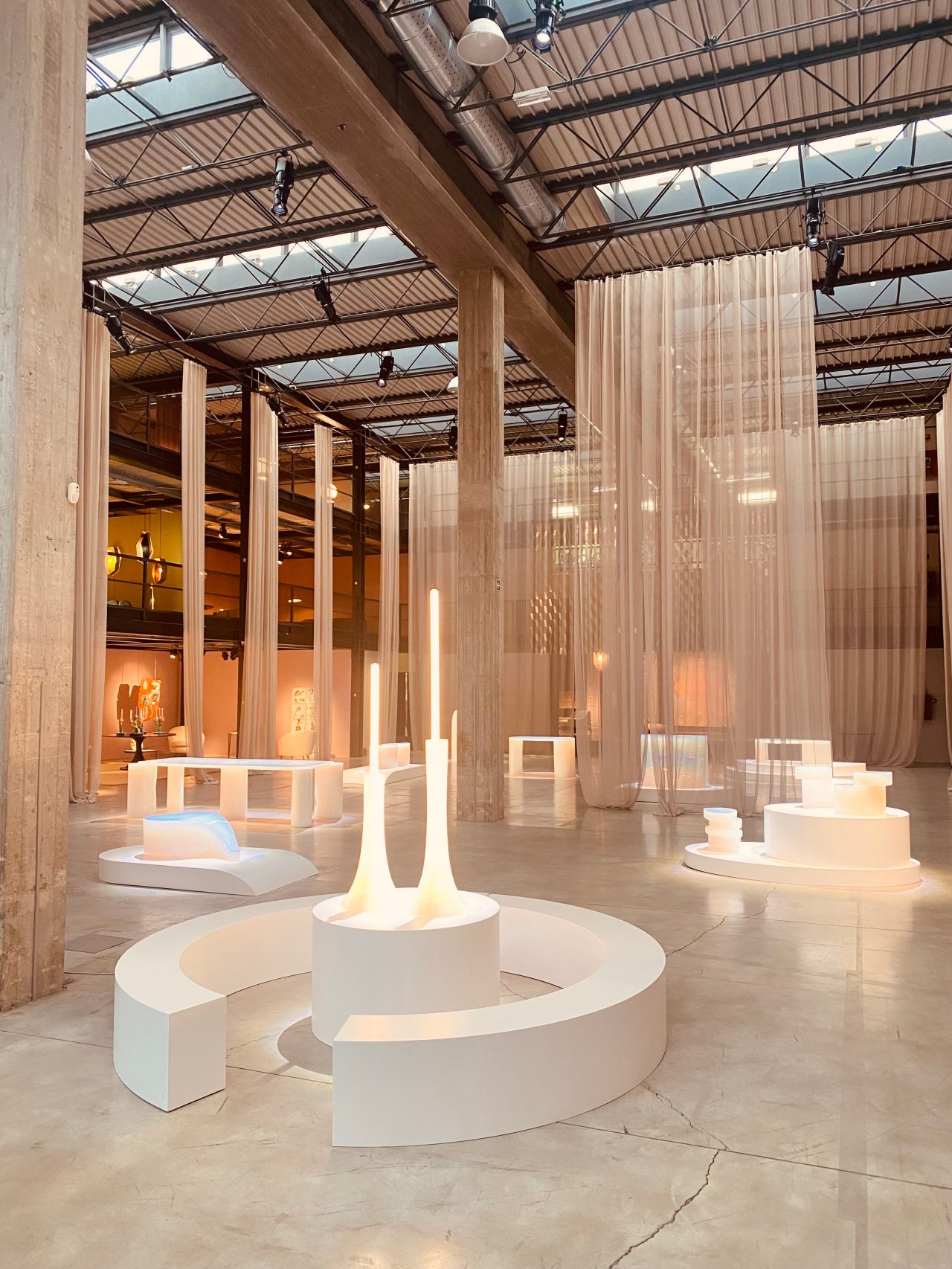
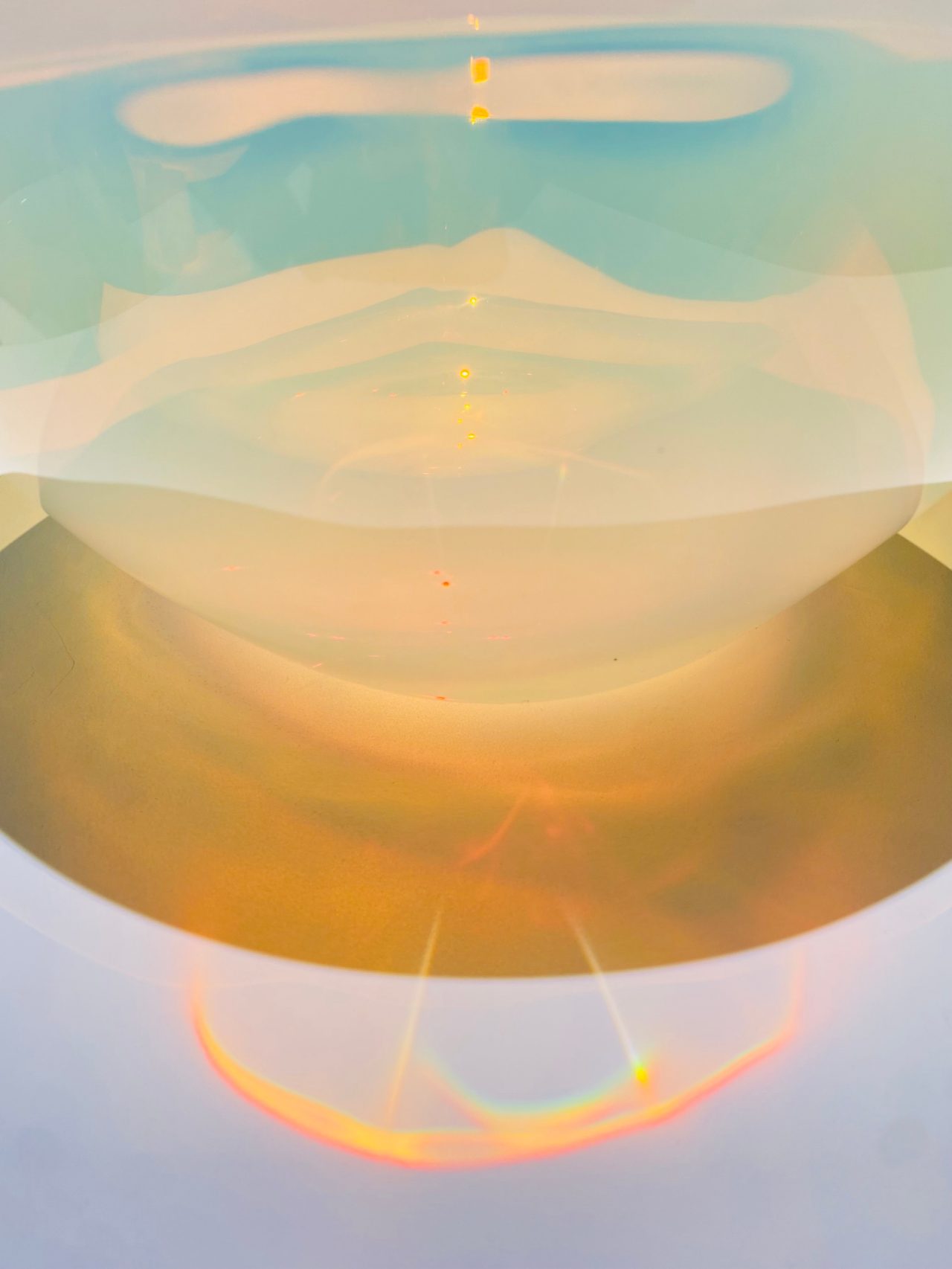
Nilufar Depot presented the site-specific installation “Poikilos”, signed by Objects of Common Interest. This exhibition explores the concept of light and magic, blending it with materiality.
Objects of Common Interest is formed by Eleni Petaloti and Leonidas Trampoukis with the focus in creating still life installations and experiential environments and objects, demonstrating a fixation with materiality, concept and tangible spatial experiences. Their work roots from an amalgamation of thinking and making between two diverse poles, Greece and New York, switching between the formal and the intuitive, embracing the handmade and the tactile, the experimental and the poetic.
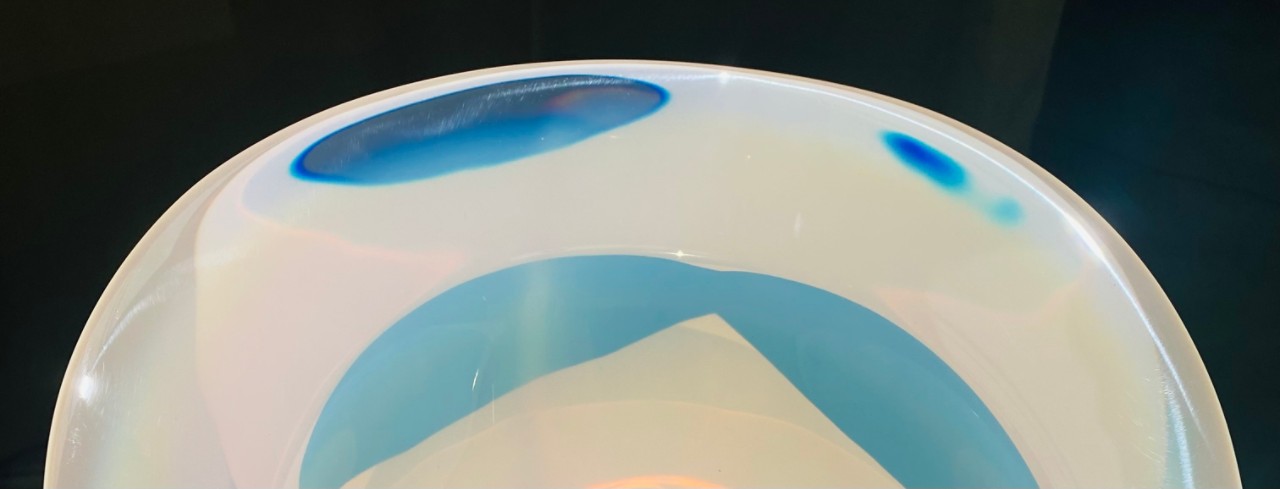
The Poikilos exhibition imagines liquified iridescent resin as solid sets of glossy furniture. The crystalline liquid of resin is poured into molds, and once it hardens, natural materials such as iron, marble, or wood reidentify its versatile being. Through this technique, Objects of Common Interest can melt the furniture back to their original liquid state and transfigure these pieces into new forms of being, maintaining the diaphanous reflection and materiality of the objects. The set of furniture in the show exhibits the patient craftsmanship of making everything out of something, regardless of its native form. Objects of Common Interest takes a step further as the duo softens the visuals of their creations by guaranteeing optical play. As the light shines upon them, the glassy furniture mirrors what it sees around it, leaving wistful traces of finespun magic in the bodies of functional objects.
オブジェクツ・オブ・コモン・インタレスト
ミラノデザインウィーク用の同展示「POIKILOS / ポイキロス」は、光と魔法のコンセプトを探求し、物質性と融合させたもの。
静物インスタレーション、体験的環境とオブジェの創作を中心に、物質性、コンセプト、空間体験へのこだわりを表している。ギリシャとニューヨークの両極地における思考と制作の融合を作品のルーツとし、形式的なものと直感的なもの、ハンドメイドと触覚的なもの、実験的なものと詩的なものを取り入れている。
「ポイキロス」は、虹色の液体樹脂を、光沢ある家具に見立てたもの。型に流し込んだ結晶性液体樹脂が固まると、鉄、大理石、木などの天然素材がその多彩な存在感を現わす。逆に、家具を溶融させて元の液体に戻し、繊細で透明な特徴を維持しつつ新たな存在に変容させる。本来の形とは無関係に、あらゆるものを作り出すという職人技の表れだ。また、光の遊びを生み出すために柔らかなフォルムとし、ガラスのような家具は、光にあたると周りのものを映し出し、機能的オブジェに繊細な魔法が生み出される。
https://objectsofcommoninterest.com/
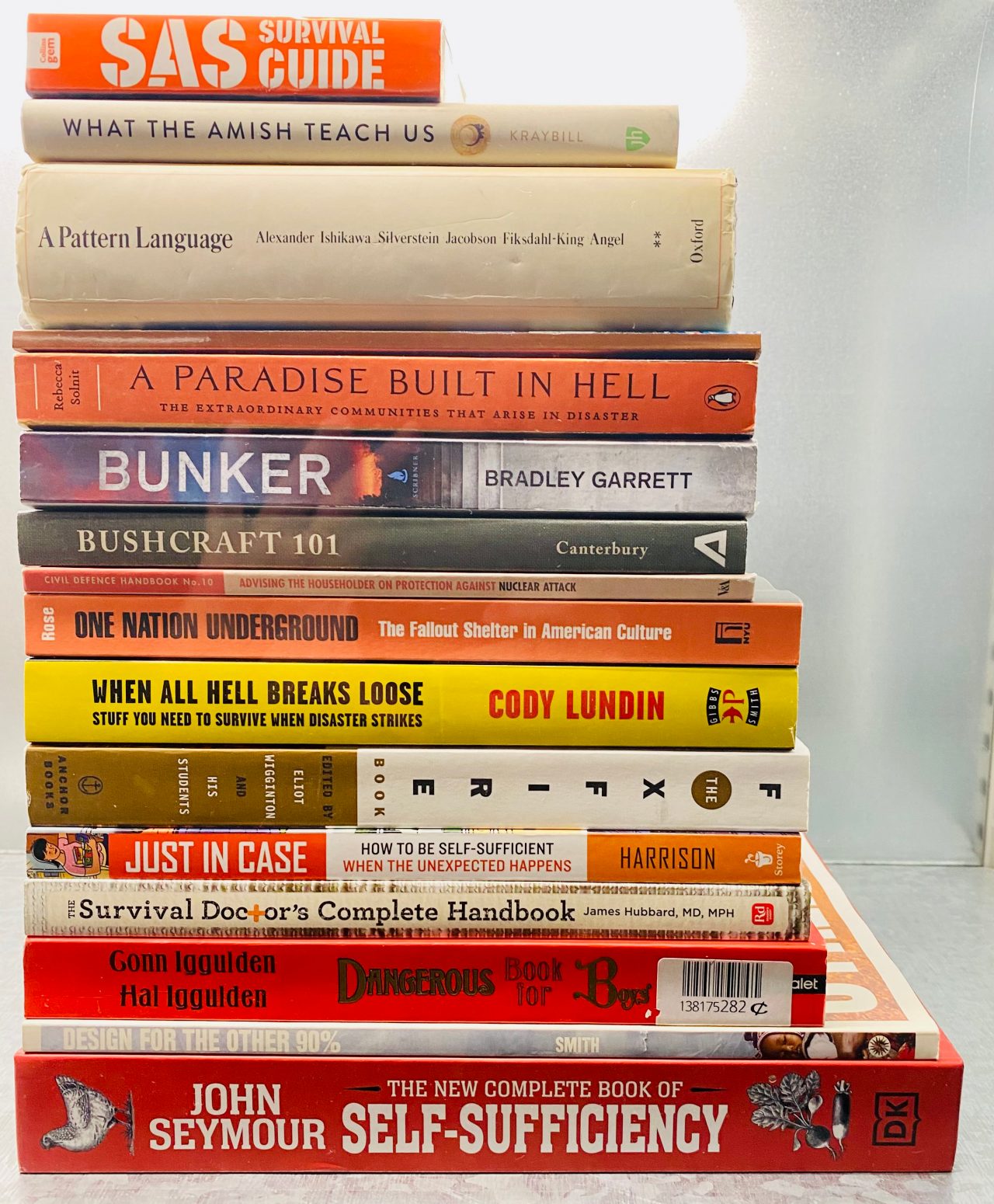
In tunnel 46 Drop City presents “Prepper’s Pantry: Objects That Save Lives”, the preview of a new broad-reaching study on the theme of survivalists.
“Preppers” and “survivalists” are terms that tend to evoke extreme, marginalised images: a woodsman in the tinfoil hat, a hoarder of canned beans, a religious doomsdayer. However, this subculture has in fact evolved over the last century, mirroring larger social trends. The Milan installation is a first introduction to a new broad-based research on preparedness, inviting visitors to step into a Prepper’s Pantry. A place to store backup supplies, the pantry houses objects, tools, and equipment believed to be essential in case of emergency.
The showcase, curated by Anniina Koivu, takes visitors into a survivalist’s ordered pantry, with all the equipment needed to survive. From supplies to fuel, body care to simple lights, and even documentation on the history of the prepper movement. Everything can be purchased in the marketplace via the QR codes on display. This installation, conceived as a capsule, is designed as a self-sufficient closed system capable of not leaving a single trace at the end of Milan Design Week 2023.
The installation is designed by Camille Blin, Anthony Guex and Christian Spiess with graphic design by Frederik Mahler-Andersen.
マダック / MUDAC:「サバイバリストのパントリー(備蓄庫)」
サバイバリストをテーマとした新研究の紹介。"プレッパー"や "サバイバリスト"というと、極端で疎外されたイメージがあるが、このサブカルチャーは、前世紀に社会的潮流を反映しながら進化を遂げてきた。今回の展示は備蓄に関する新研究の導入編であり、この「サバイバリストのパントリー」には、緊急時に不可欠と思われる物や道具、装備が収納されている。消耗品から燃料、ボディケアから簡易ライト、またプレッパー運動の歴史資料まで揃っており、どれもQRコードから購入可能だ。このパントリーはカプセルとして考案され、展示終了後は、自給自足のクローズドシステムとなるよう設計されている。
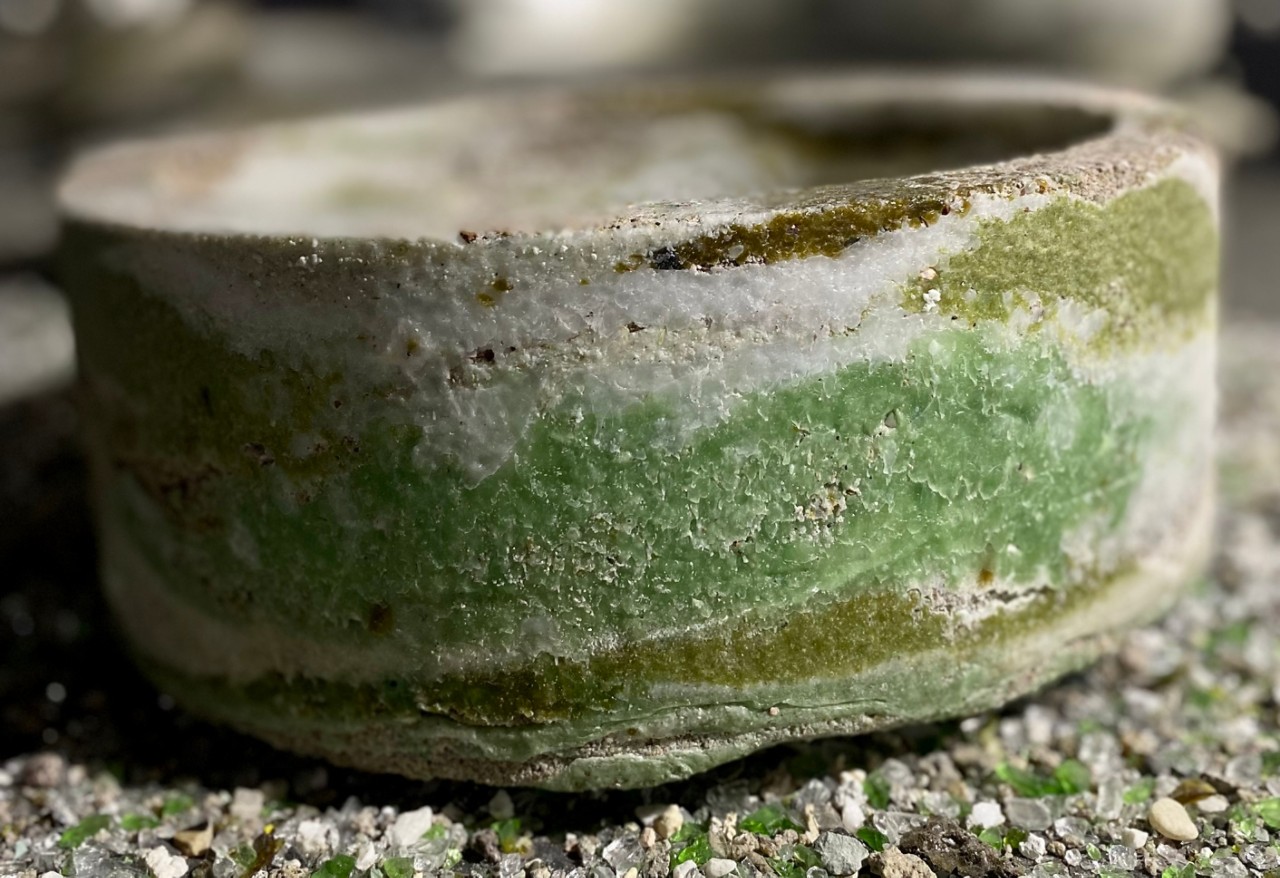
In tunnel 140, visitors find a collective of emerging Japanese designers, led by studio We+ and composed of Takt Project, Sae Honda, Satomi Minoshima and Takuto Ohta, who bring their most daring prototypes here. They expose their sophisticated point of view through a selection of objects called thinking pieces, addressing the challenges of the contemporary world such as waste disposal, changes in living context, and the relationship between nature and products.
“Urban Origin” by Hokuto Ando and Toshiya Hayashi of We+ proposes a public reevaluation of Tokyo’s industrial waste products, such as copper, glass and styrofoam, by transforming them into new, visually striking materials of entangled shimmering mesh and rock-like forms.
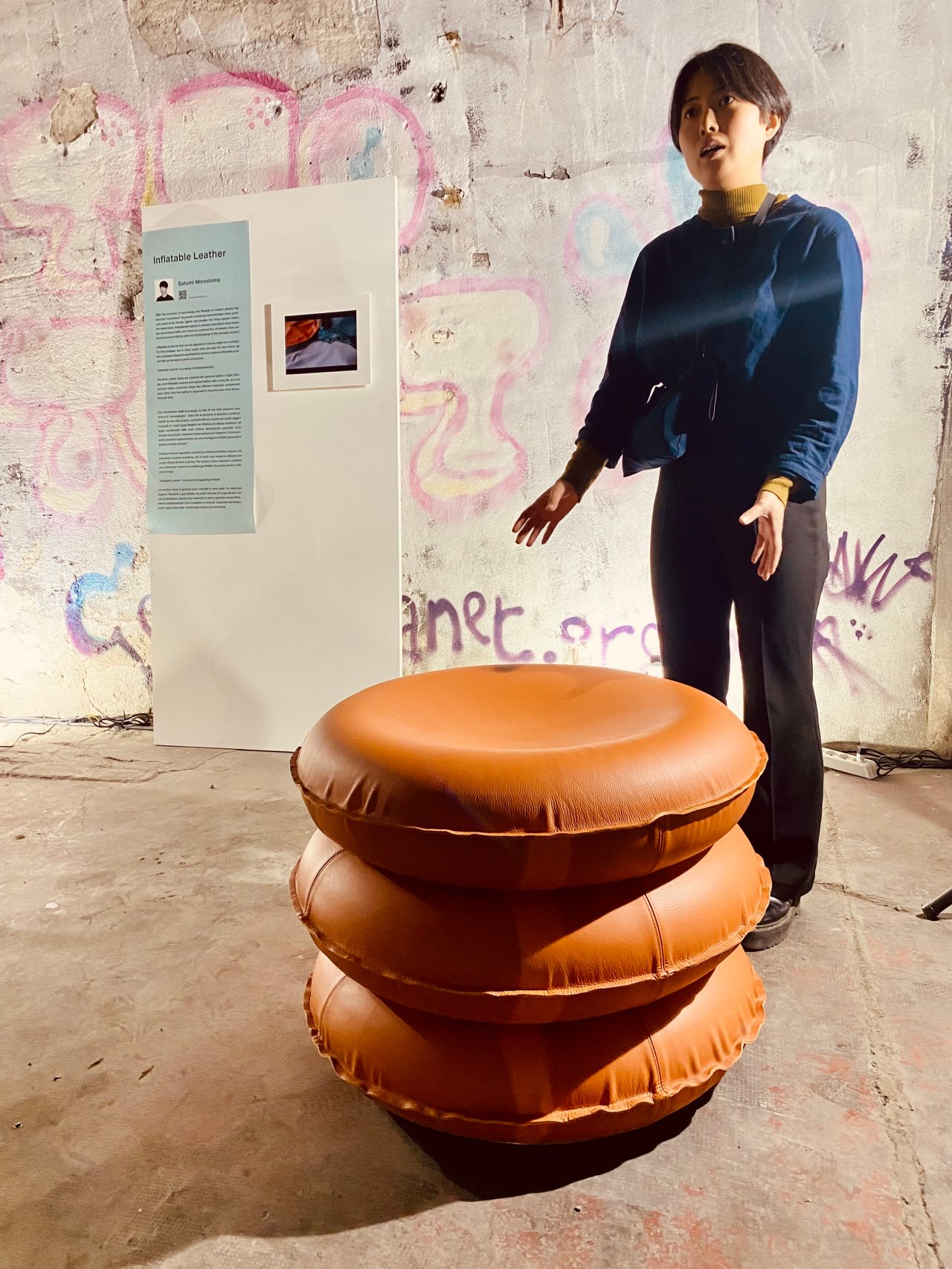
Satomi Minoshima considers the nomadic lifestyles of residents in overcrowded cities for her minimalist “Inflatable Leather” furniture, which is designed to be deflated for moving and compact enough for the smallest of apartments.
Sae Honda explores the craftsmanship of synthetic fur and its controversial relationship with the fashion industry and environmentalists. By using felting techniques to bind random scraps of faux fur waste, she creates “Cryptid” — a multitextured and primitive-looking textile.
We +:「シンキング・ピース / オブスキュア・ソリューションズ」
日本の新進デザイナーたちが、廃棄物処理、生活環境の変化、自然と製品の関係など、現代社会が抱える課題に取り組み、大胆なプロトタイプを披露。
安藤北斗と林登志也の「Urban Origin」は、銅、ガラス、発泡スチロールといった東京の産業廃棄物から、きらめくメッシュや岩のようなフォルムの新素材を生み出している。簑島さとみの「インフレータブル・レザー」は、過密都市の住人に遊牧民的ライフスタイルを提案したミニマリスティックな家具。引っ越し時には空気を抜き、どんな狭いアパートでも収納できる。本多沙映は「Cryptid(クリプティッド)」で、合成毛皮の職人技と、ファッション業界や環境保護論者との問題を探究。フェイクファーの端切れをフェルト技法でつなぎ合わせた、原始的な外観を持つ多重構造の織物だ。
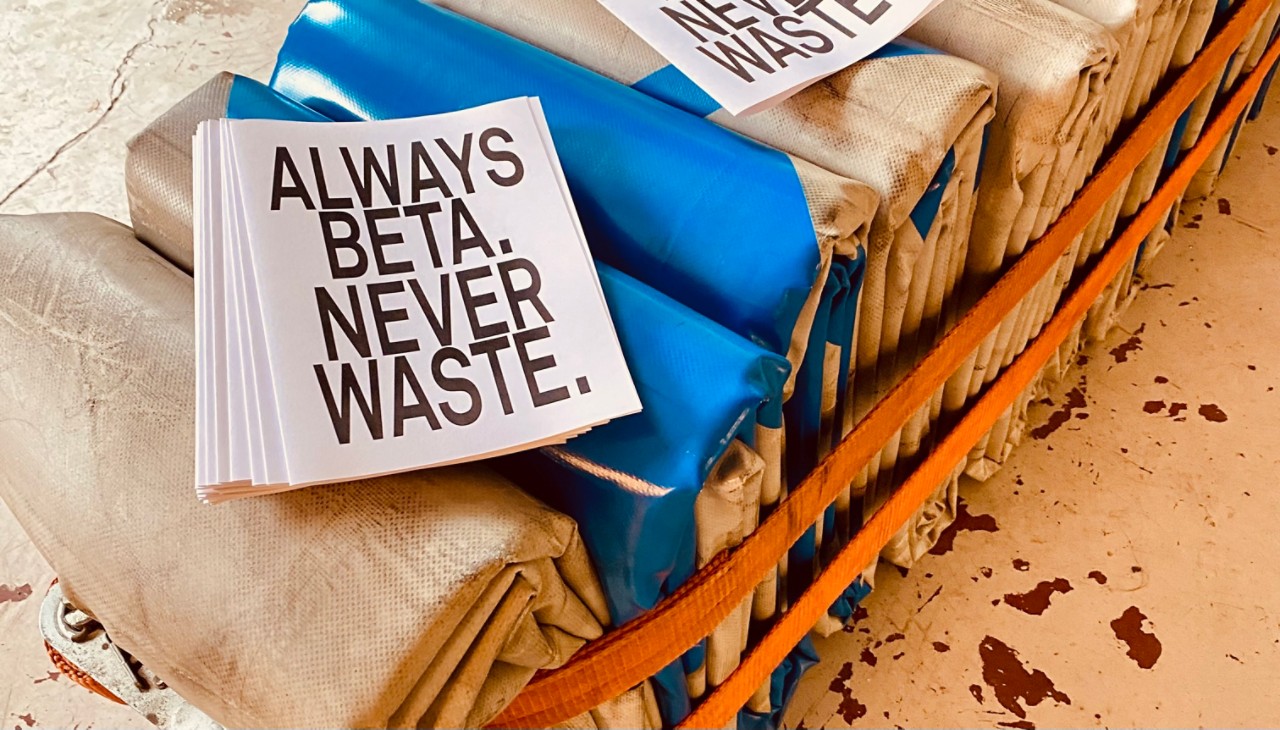
In tunnel 58 is the installation of the historic FREITAG brand, a Swiss company that gives new life to used truck tarps by transforming them into bags and accessories.
In this exhibition the company has fused two projects into an exhibition that demonstrates its attitudes and history while offering insights into the circular design of the future. Apart from telling the story of how FREITAG was born, the installation also shows how the company joined forces with conceptual artists Patrik and Frank Riklin to take the supply chain of bag designers ad absurdum. From this artistic perspective, the Zurich brand uses "Circular Tarp" to give a serious and realistic demonstration of how a cyclical future might look: Together with other industrial partners, FREITAG is researching and working towards the development of a truck tarp that, even after a long second life as a bag, doesn’t end up in the garbage but back in the cycle.
And for the first time, FREITAG provides an insight into a new approach to circular product and material development: A functional backpack that, from straps to buckles and fabric, is made of a single, recyclable material. The underlying idea is that although some materials are already recyclable today, only a few of them end up back in the cycle. FREITAG believes we can tackle this dilemma more successfully if products are made from just one recyclable material. At the end of their lifetime, they could be returned to the cycle in their entirety without the time- and energy-consuming procedure of taking them apart.
フライターク / FREITAG:「常にベータ、何も無駄にしない」
トラックの使用済みシートベルトに新たな命を吹き込み、バッグやアクセサリーを制作しているスイスの企業。
同展示では2つのプロジェクトを融合させ、同社の歴史・スタンスと、未来の循環型デザインについての考察を示した。コンセプチュアル・アーティストと手を組み、バッグデザイナーのサプライチェーンを構築した経緯を紹介。他社と共同開発中のトラック用防水シート「サーキュラー・タープ」は、バッグとして再利用後も循環可能となる素材だ。全部を再生可能な単一素材で作ったバックパックは、同社の循環型製品と素材開発への考え方を示している。再生可能な素材のほんの一部しか循環されていない現状を打破するには、一つの素材に絞るのが効果的だ。製品寿命が尽きれば、時間とエネルギーを要する分解プロセスを経ずに、そのままの状態で循環サイクルに戻せるからだ。
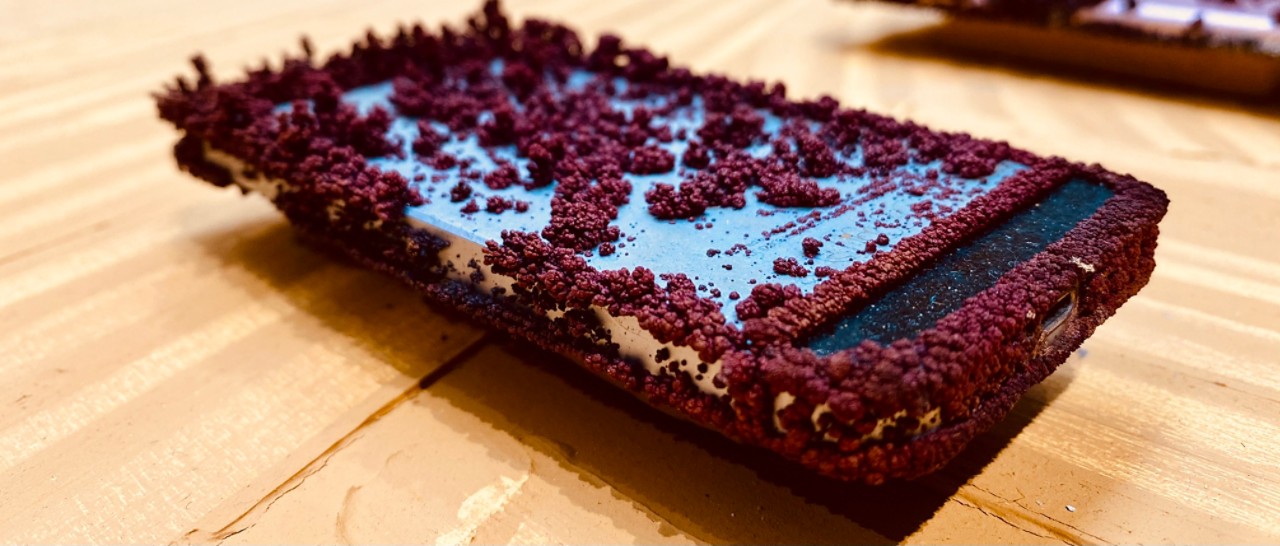
Objects for a New Kind of Society: the way we work' presents the concepts of eight designers that will become part of 5STRACKS interiors, bringing a new take on our working environments.While some designers reimagined everyday objects and rituals, others gave their perspective on technologies that are increasingly permeating our work environments.
Teresa Fernández-Pello invites us to contemplate our hyper-connected digital world by transforming invisible data streams into luminous patterns, while Clémentine Buffa (Studio Kloumi) explores the aesthetics of raw metal, and the organic forms of Barry Llewellynreflect the rhythm of the natural world.
Dutch Invertuals is an independent force that aims to inspire positive change with design, unconstrained by 'the way things are done'. They share in the responsibility to use the power of design for the greater good. Since 2009, they bring together established and emergent design talents and work with their collaborators and partners to make the previously unthinkable tangible, engaging people with critical questions and speculative visions about the futures we want to live in.
ダッチ・インバーチュアルズ / DUTCH INVERTUALS:「新社会のためのオブジェ、働き方」
職場環境に新風を吹き込むコンセプト:日用品や日課の再構築から、職場に浸透しつつあるテクノロジーへの新たな視点など、8人のデザイナーが表現。
テレサ・フェルナンデス=ペロは、目に見えないデータストリームを発光パターンに変換することで、ハイパーコネクテッドなデジタル世界について再考を促す。クレマンティーヌ・ブッファは生の金属の美学を探求、バリー・ルウェリンの有機的フォルムは自然界のリズムを映している。
ダッチ・インヴァーチュアルズは「これまでのやり方」にとらわれず、デザインによるポジティブな変化を目指している。新進デザイナーを含む様々な才能を結集し、これまで考えられなかったことを具体化し、私たちが望む未来について問いかけ、思索的ビジョンを提案している。
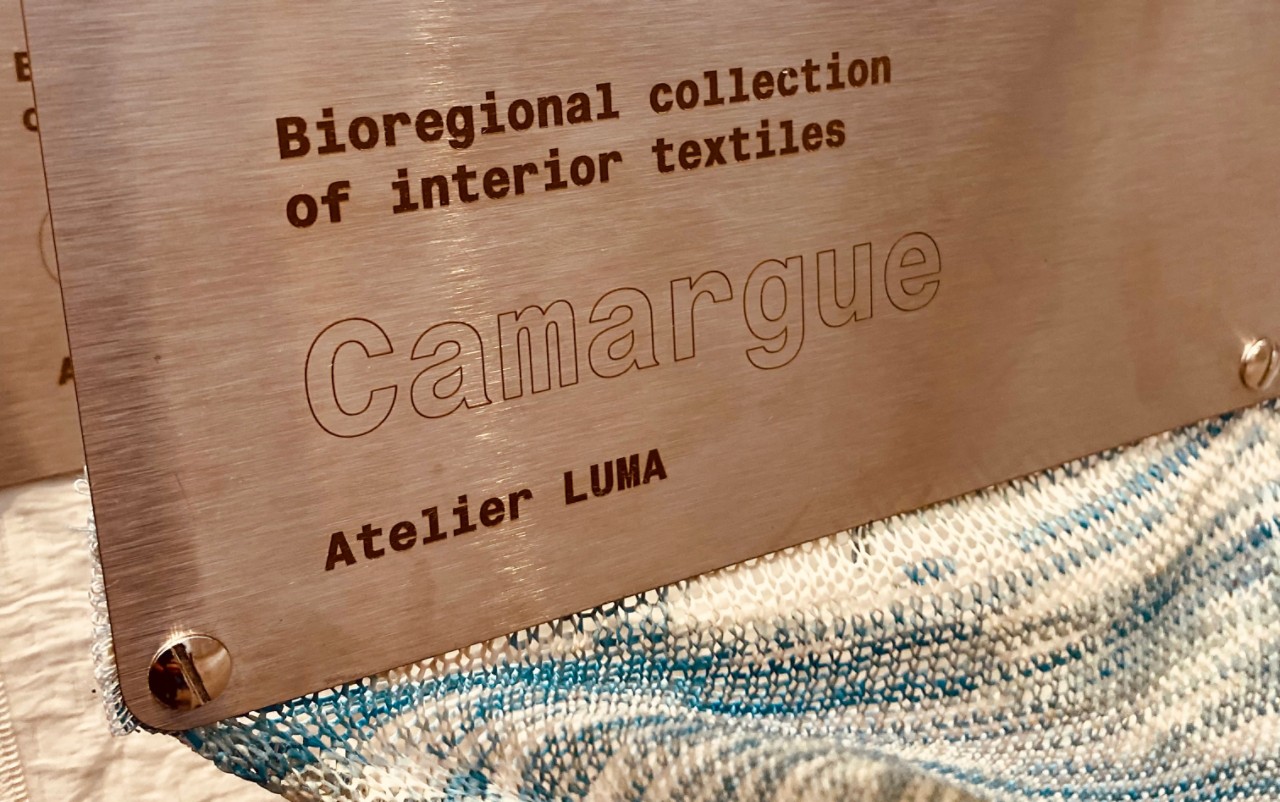
The research platform Atelier LUMA, LUMA Arles, coordinated by Jan Boelen, invited visitors to engage in an immersive and scenographic journey into the world of matter, building on years of experimentation and materials development by the group.
All of the objects and furnishings presented in this exhibition were created by combining locally available material and human resources. From construction materials to upholstery fabrics, and from plant-based shoes to molded palm sheath, all of the experimental objects resulted from careful investigation and extensive collaboration.
Five large installations offer sensory experiences rooted in specific cultural and natural landscapes. Rice straw, salt, textiles, and wool provide glimpses into the bioregion surrounding Arles through sound, light, colors, motifs, and textures. Algae and agricultural byproducts take shape as bioplastic seating in the exhibition’s discussion space. Middle Eastern materials, including palm fronds, are used to reimagine a traditional sitting area, where fragrances created by Jorge Fernandez, perfumer at Givaudan, evoke desert landscapes.
Atelier LUMA, a biodesign laboratory located in the Parc des Ateliers in Arles, honed its approach through a firm anchoring in its own bioregion: Arles, the Camargue, the Alpilles mountains, and the Crau plains.
アトリエ・ルマ / ATELIER LUMA: 「バイオリージョナル・デザインの実践」
ルマ・アルル (LUMA Arles) のリサーチ・プラットフォーム。同グループの長年にわたる実験と素材開発をベースに、物質の世界へと誘う。展示されたオブジェや家具はすべて、仏・アルル地方の材料と人材で作られた。建材から椅子張り生地、植物由来の靴から椰子皮の成形物まで、全て入念な調査と広範な共同作業から生まれた実験的作品だ。
5つの大規模な展示で、特定の文化や自然に根ざした感覚的体験に誘う:藁、塩、織物、羊毛が、音や光、色・モチーフや質感を通して、アルル地方の生態系を垣間見せる。藻類や農業副産物をバイオプラスチックのシートに使い、椰子の葉などの中東の素材で伝統的な座り心地を再現し、ジボダン (Givaudan) の調香師による香りが砂漠の風景を彷彿とさせる。
アトリエ・ルマはアルル地方のバイオデザイン研究所で、独自のバイオ地域(アルル、カマルグ、アルピーユ山脈、クラウ平原)に根ざした研究を続けている。
CIRCULAR ECONOMY: Innovative sustainable systems that are kinder to people and planet
INCLUSIVITY: Using design as a tool to engage with underserved communities
SUSTAINABILITY: Rethinking how to view waste, design protocles to reduce or re-use waste, discovery of new bio materials
INNOVATION: Research & innovative technologies to develop new materials, processes and usages
CRAFTSMANSHIP: Design processes inspired by traditional craftmanship with contemporary applications
ミラノサローネで学んだこと
循環経済:人と地球に優しい革新的な持続可能システム
インクルーシビティ:充分なサービスを受けていないコミュニティのため、デザインをツールとして活用
持続可能性:廃棄物の捉え方の再考、廃棄物の削減や再利用のためのデザインプロトコール、新しいバイオ素材の発見
イノベーション:新素材、プロセス、用途を開発するための研究と革新的技術
クラフトマンシップ:伝統的クラフトマンシップに触発されたデザインプロセスを現代に応用
OBJECTS OF COMMON INTEREST: POIKILOS
WE +: THINKING PIECE/OBSCURE SOLUTIONS
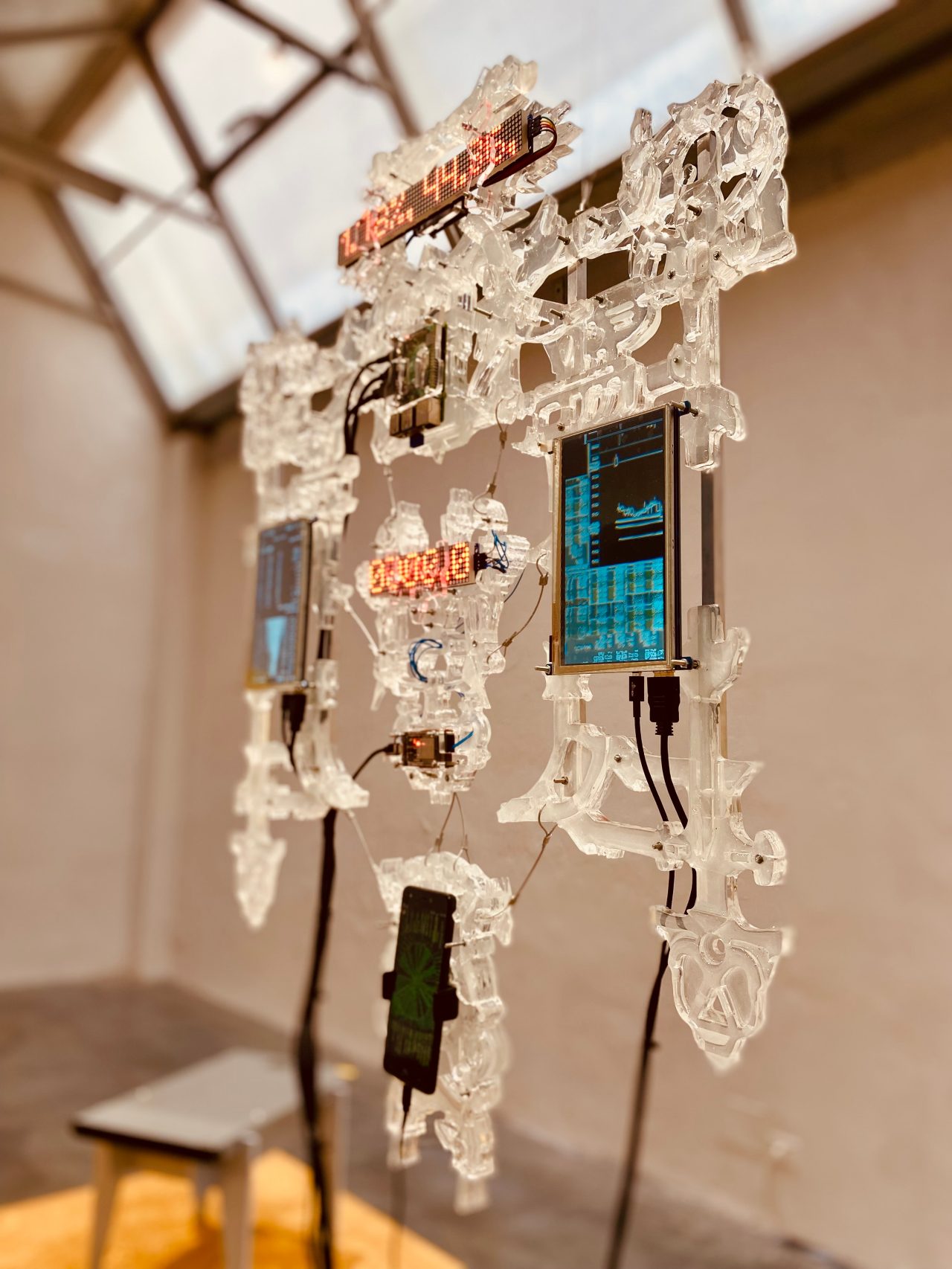
DUTCH INVERTUALS: Objects for a New Kind of Society, the way we work.