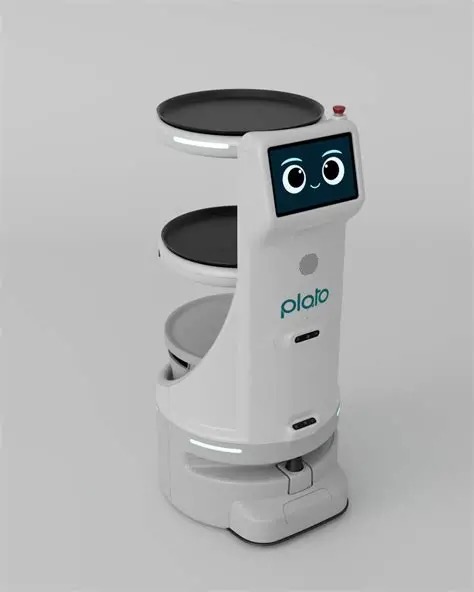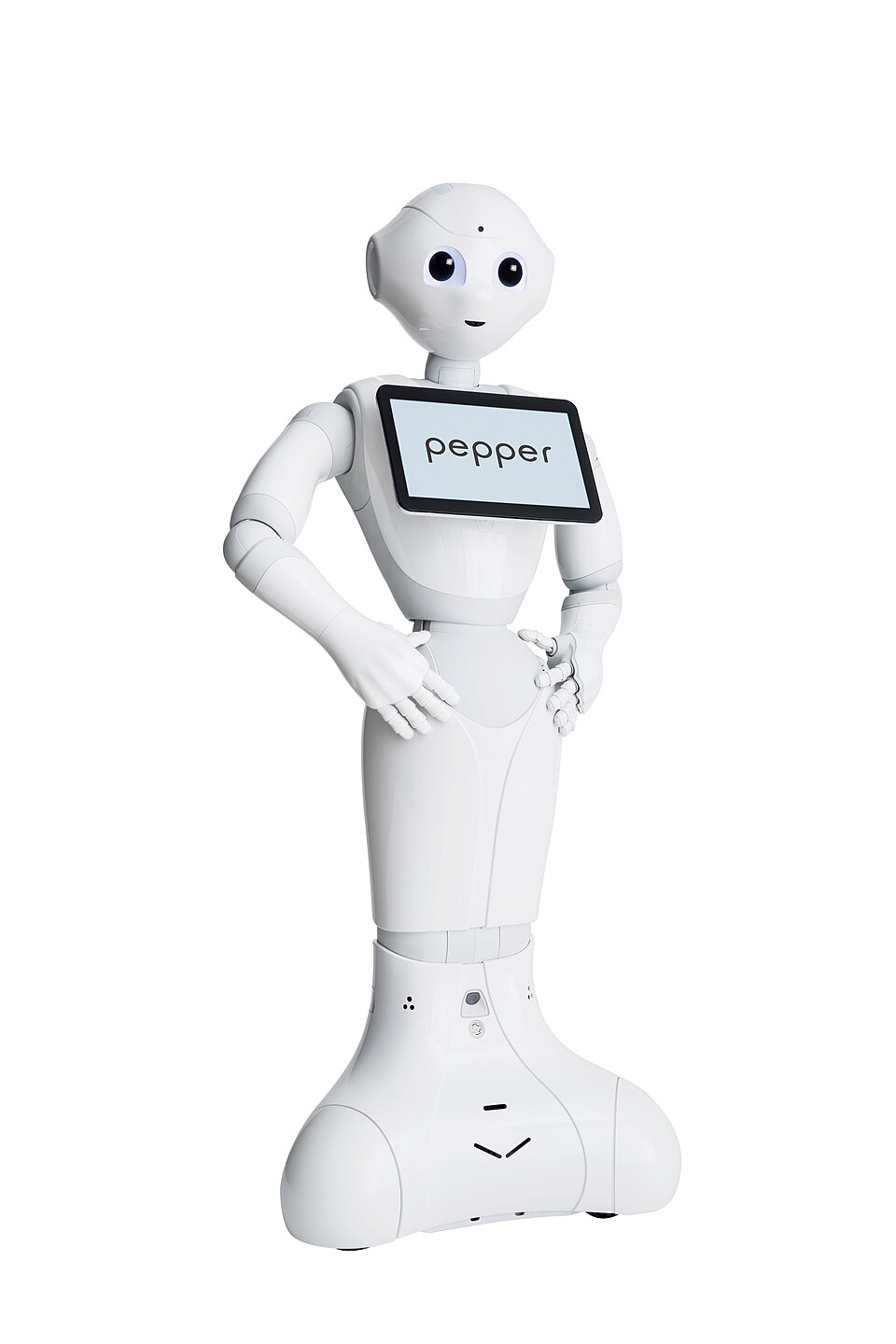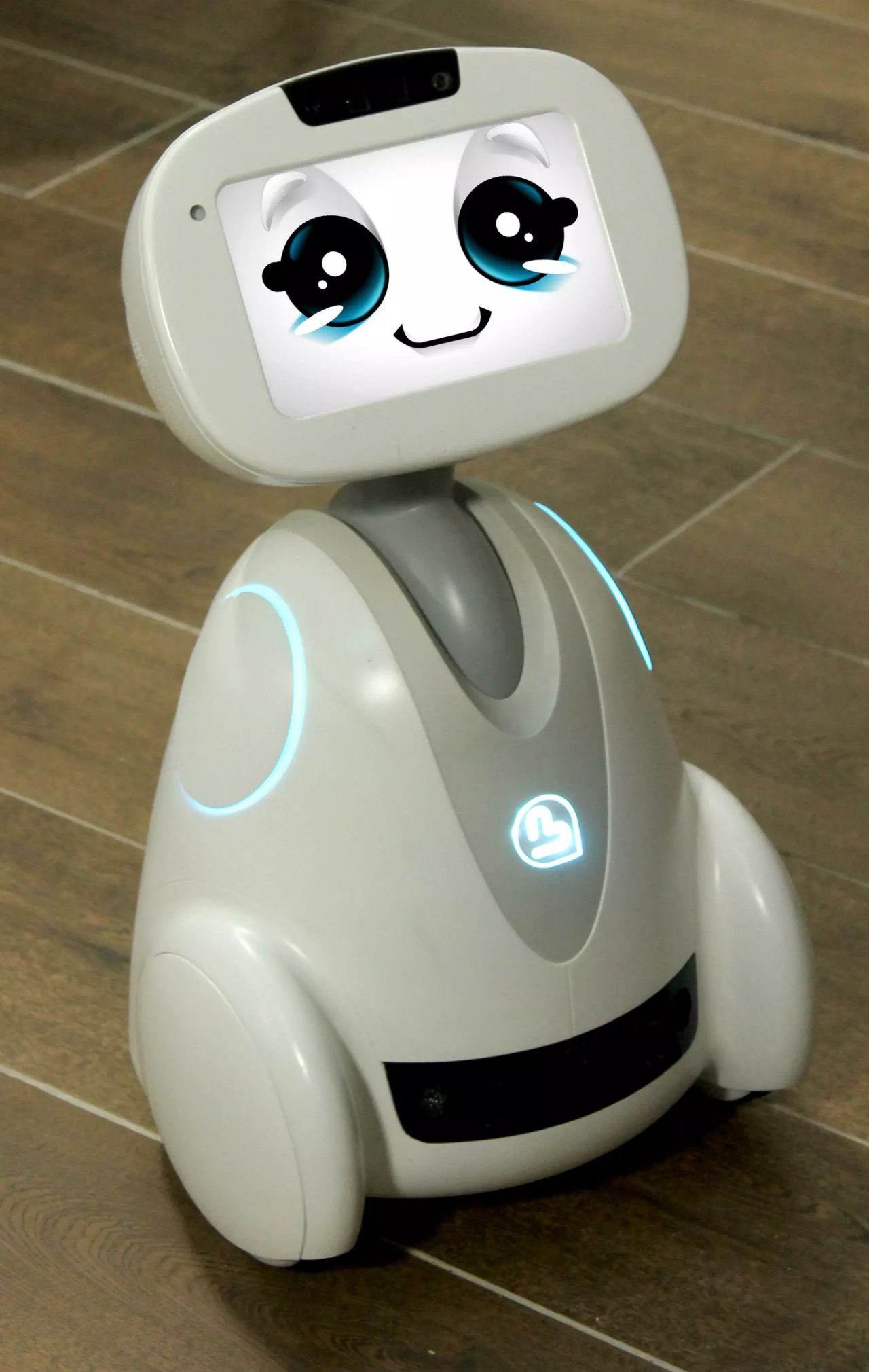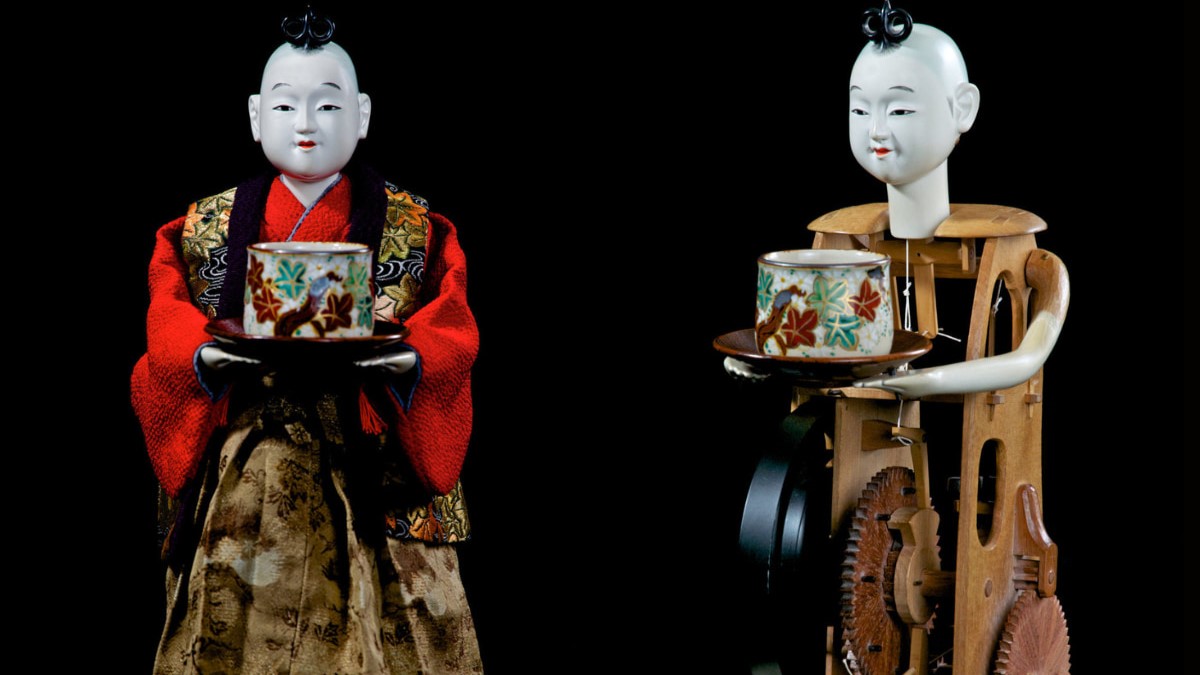

Across cultures, robots and animated objects carry markedly different meanings, nowhere more so than in Japan and Europe. In Japan, society has historically embraced automata not merely as technical curiosities, but as poetic and emotionally expressive creations rooted in animist belief.
The karakuri dolls of the Edo period were crafted to delight and to convey warmth, establishing a cultural continuity that extends to today’s characteristically friendly robotics.
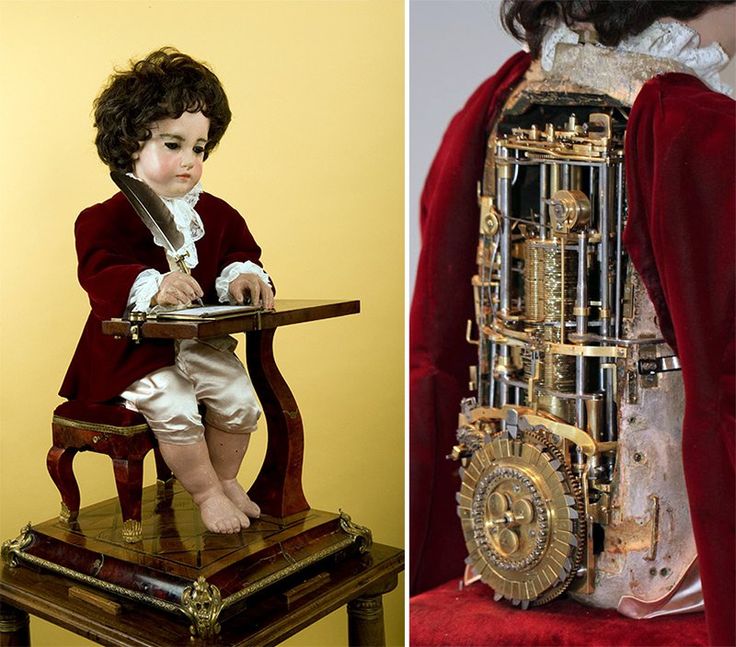
In Europe, by contrast, automata evolved primarily as demonstrations of scientific mastery and mechanical ingenuity. They were luxury artefacts symbolising progress, rationality and human control over nature.
This legacy has shaped a more functional and industrial orientation towards robotics, where machines are typically regarded as efficient tools rather than emotional partners.
In contemporary Japan, robots are widely accepted as companions, helpers and social actors. Research indicates high levels of cooperation, respect and comfort when robots occupy shared spaces. Popular media, religious traditions and decades of technological integration have reinforced this familiarity. Europeans, however, tend to adopt a more cautious and utilitarian stance.
Partial automation is often preferred ; interactions can be more instrumental; and public attitudes are shaped by cultural narratives that frame technological autonomy as potentially risky or destabilising.
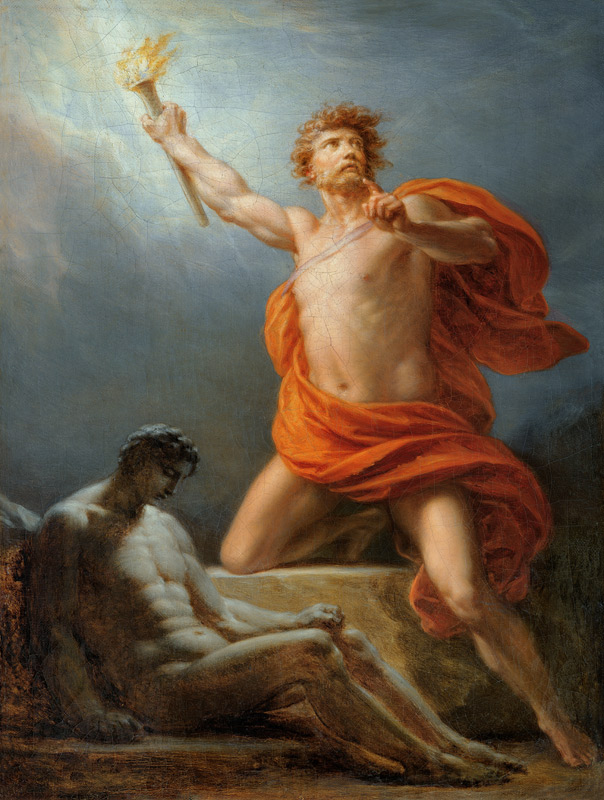
The roots of European ambivalence run deep. Classical mythology, notably the tale of Prometheus, warned of the perils of overreaching creation. Seminal literary works such as Frankenstein, R.U.R. and The Sandman, alongside cinematic landmarks including Metropolis and 2001: A Space Odyssey, have repeatedly portrayed artificial beings as unstable, deceptive or dangerous. This enduring cultural thread has sustained anxieties about rebellion, loss of control and the moral ambiguity of technological creation.
Yet Europe has also been at the forefront of innovation in the Internet of Things and connected robotics. Companies such as Violet and Aldebaran Robotics were early pioneers in connected devices and humanoid robotics, influencing global practice in education, care provision and service automation.
Today, a broad spectrum of robots is available across Europe from companion devices such as ElliQ and PARO to service assistants, entertainment platforms and telepresence systems. Together, they illustrate an expanding and increasingly nuanced integration of human robot relationships, spanning emotional engagement and practical support alike.
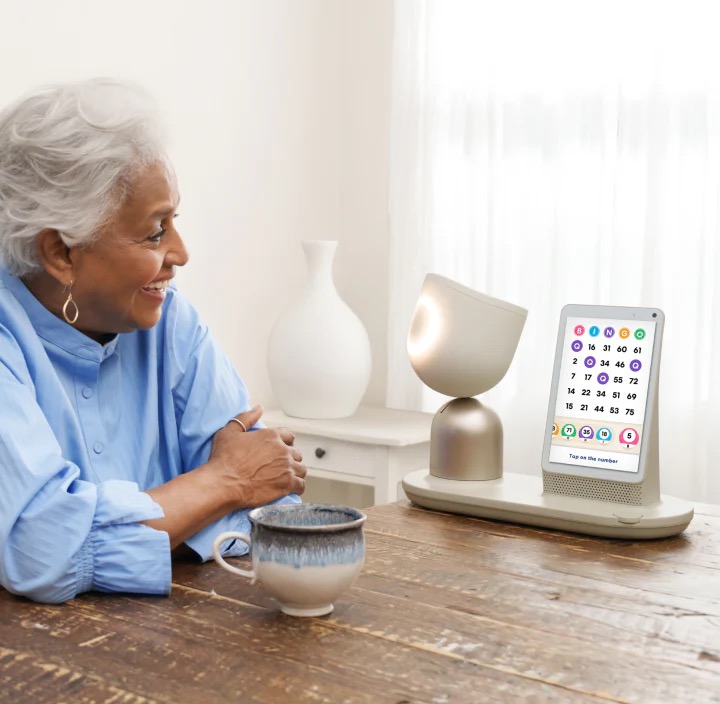
様々な文化において、ロボットや動く物体は著しく異なる意味を持ち、それは日本とヨーロッパで特に顕著だ。日本は昔から、自動人形を単なる技術的な珍品としてではなく、アニミズム信仰に根ざした詩的で感情表現豊かな創造物として受け入れてきた。江戸時代のからくり人形は人々を楽しませ温もりを伝えるために作られ、その文化は脈々と続き、友好性を特徴とする今日のロボティクスに至っている。
それに対しヨーロッパでは、機械人形は主に、科学の熟達と機械的創意工夫を示威するものとして発達し、進歩性と合理性、自然を支配する人間を象徴する高級工芸品であった。この伝統がより機能的・産業的指向の強いロボティクスを形成し、機械は感情的なパートナーというより、効率的な道具として捉えられている。
現代の日本では、ロボットは仲間、ヘルパー、社会的存在として広く受け入れられている。某調査によれば、ロボットが共有スペースにある場合、人は高レベルの協調性、敬意、安心感を示すという。大衆メディア、宗教的伝統、そして数十年にわたる技術統合が、ロボットへの親しみを育んできた。しかしヨーロッパ人は、より慎重で実用主義的だ。部分的な自動化を好むことが多く、ロボットとの相互作用は手段になりがちで、技術の自律性を潜在的な危険と不安定要素として見なす文化が、人々のロボットに対する認識を形作っている。
欧州のこの両義性の根は深い。古典神話、特にプロメテウスの物語は、創造の行き過ぎが招く危険を警告した。『フランケンシュタイン』『R.U.R.』『サンドマン』といった先駆的な文学作品や、『メトロポリス』『2001年宇宙の旅』など映画史に残る作品は、人工生命体を不安定で欺瞞的、又は危険な存在として繰り返し描いてきた。この一貫した文化的潮流が、技術創造物の反乱や制御喪失、道徳的な曖昧性に対する不安を育んできた。
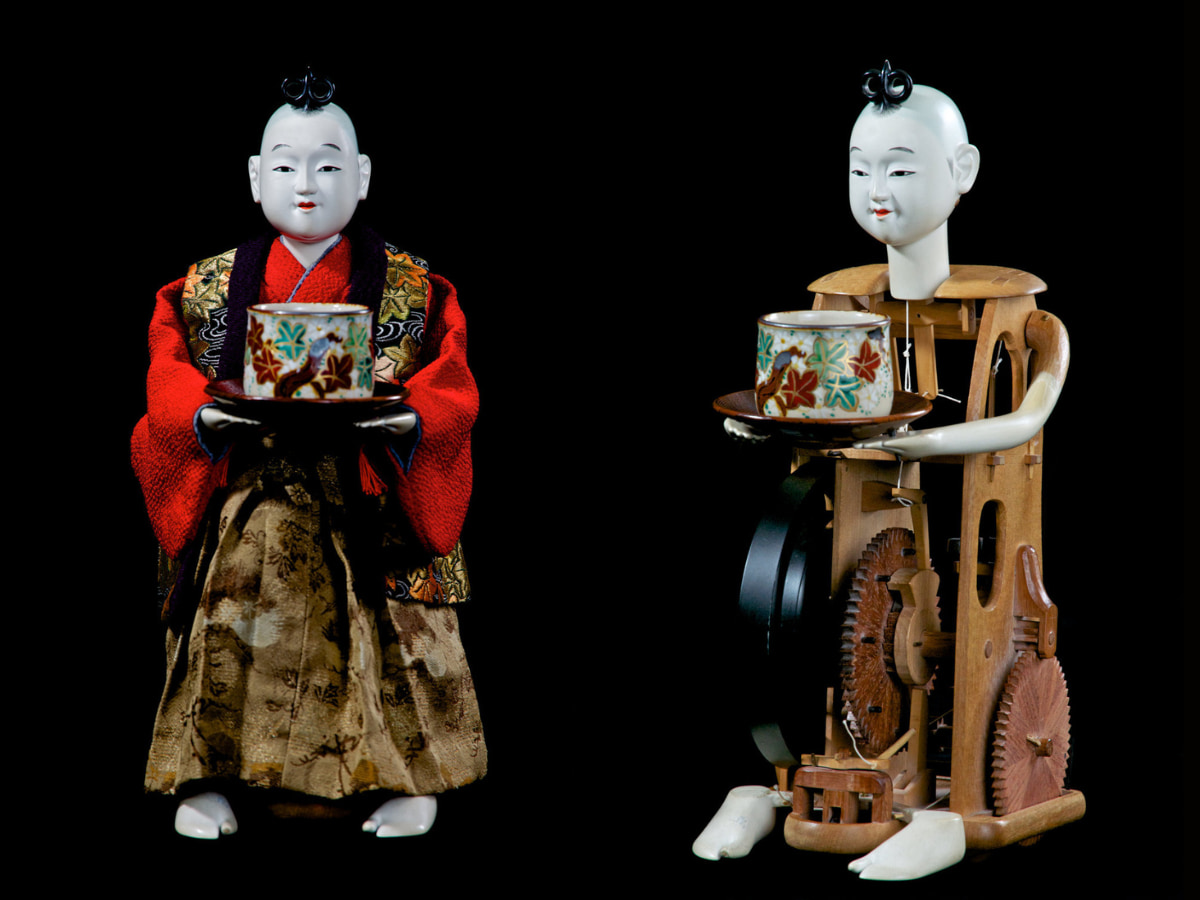
それと同時に欧州は、モノのインターネット(IoT)や接続型ロボティクスの革新の最前線にあった。ヴァイオレットやアルデバラン・ロボティクスなどの企業は、接続デバイスやヒューマノイド・ロボティクスの先駆者として、教育・介護・サービスの自動化において世界的な影響を与えてきた。
今日、欧州全域で多様なロボットが活躍している:エリオックやパロのようなコンパニオンデバイスから、サービスアシスタント、エンターテインメント・プラットフォーム、テレプレゼンス・システムなどだ。これらは感情的関与から実用的なサポートまで幅広い範囲に及び、人間とロボットの関係の拡がりと高度化を表している。