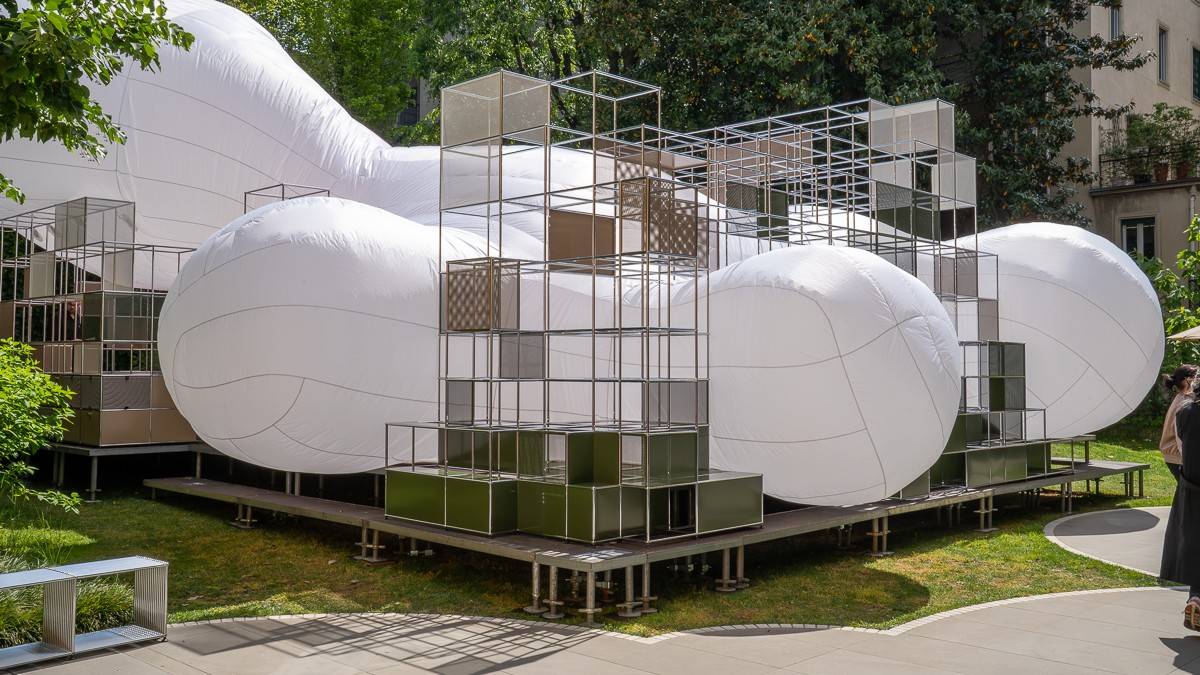

1. The Robinson Crusoe Experience
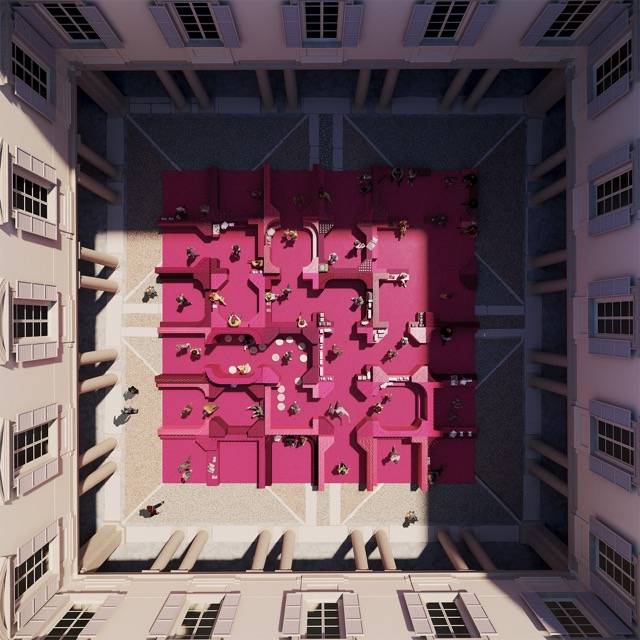
The myth of the undiscovered experience - the belief that each of us is destined to uncover something unique - is everywhere. Milan Design Week thrives on this narrative, presenting installations as rare discoveries, hidden treasures seemingly reserved for a discerning few.
The reality, however, tells a different story. Crowds queue for hours to access every supposedly “exclusive” experience, transforming individuality into collective behaviour. The promise of rarity becomes a shared ritual.
This contradiction presents an intriguing opportunity. What if a new brand embraced this paradox? A brand where the product itself mattered less than the value of the experience it creates. A brand built not around objects, but around the promise of personal discovery and emotional ownership.
2. The Insta-Trap
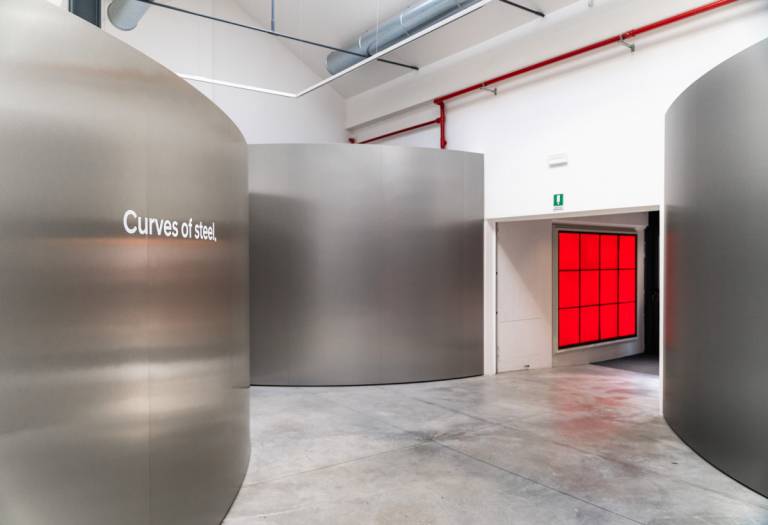
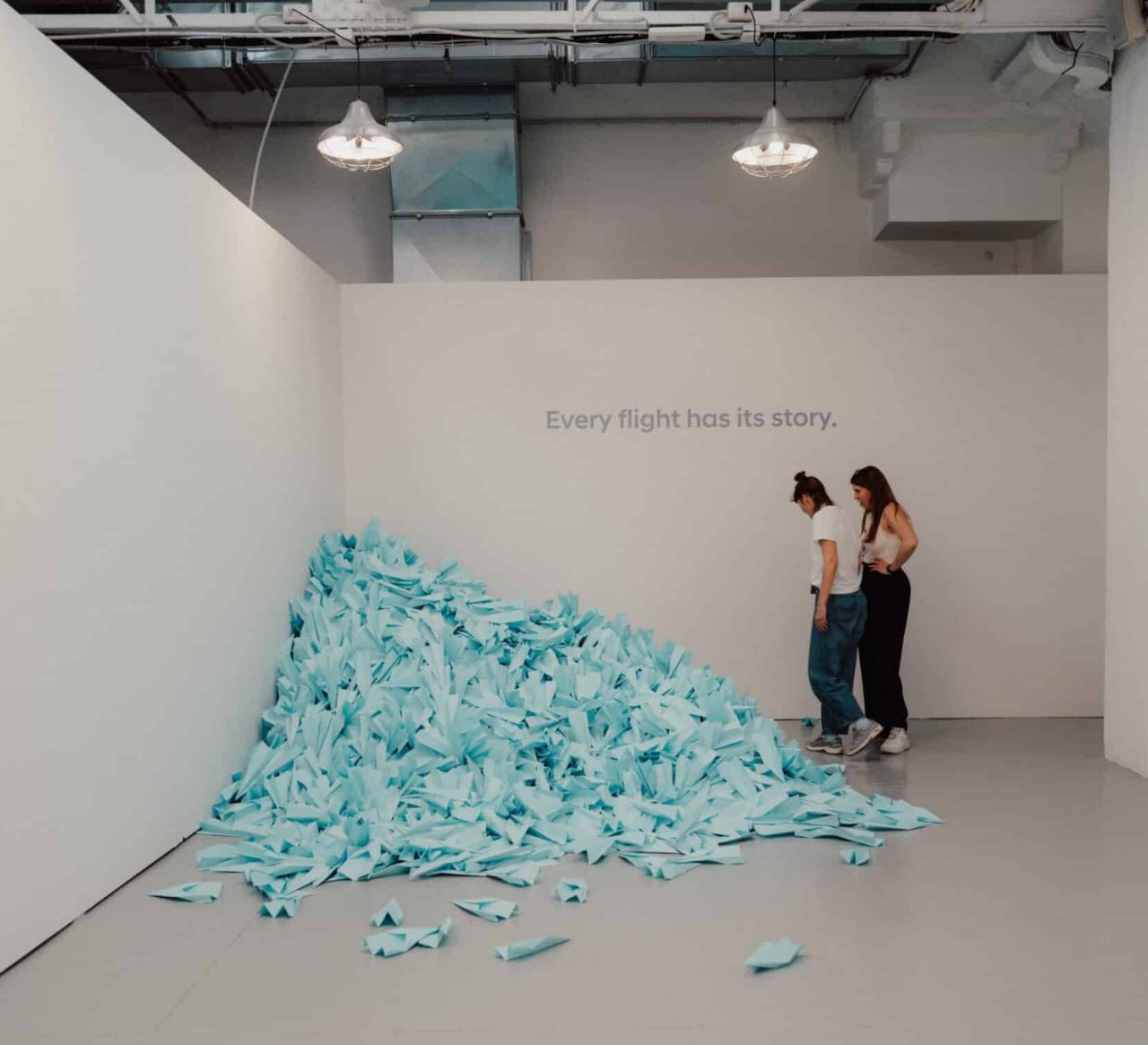
Each year, increasingly monumental installations emerge across Milan, expanding design beyond the object into immersive spatial experiences. Hyundai’s installation was perhaps the most accomplished example: a meticulously orchestrated environment built around its new design language of folded metal surfaces. Visitors were invited to create paper aeroplanes and launch them into a designated scoring area — playful, interactive and effortlessly measurable.
Everything was engineered for engagement, participation and social media visibility.
Yet creatively, it felt surprisingly hollow.
Beyond the immediate spectacle and the inevitable Instagram moment, many of these installations struggle to leave a lasting impression. Once the initial excitement fades, they often reveal a lack of narrative depth, particularly when compared with more crafted, thoughtful and emotionally resonant design experiences.
3. From Product Design to Collectible Design
One of the most significant shifts today is the transition from mass-produced products to collectible design. Limited editions, small production runs and unique pieces are redefining how value is perceived.
Rather than designing for scale alone, designers are increasingly creating objects with greater personal relevance and stronger emotional resonance. Scarcity becomes part of the story, while craftsmanship and individuality become central to the product’s identity.
This signals a broader evolution in design thinking: fewer objects, but ones that people value more deeply and keep for longer.
In many respects, this represents a more sustainable approach to design — extending longevity not only through durability, but through emotional attachment.
ミラノ・テイクアウェイ 2026 — オン・ザ・ゴー
1. ロビンソン・クルーソー体験
「まだ発見されていない体験」という神話――つまり、私たち一人ひとりが何かユニークなものを発見する運命にあるという信念――は至る所に存在している。ミラノ・デザイン・ウィークはこの物語を原動力としており、インスタレーションを、まるで目の肥えたごく少数の人のためにだけ用意されたかのような、希少な発見や隠された宝物として提示している。
しかし、現実は異なる物語を語っている。人々は、いわゆる「限定」体験にアクセスするために何時間も列に並び、個性を集団行動へと変容させてしまう。希少性という約束は、共有された儀式へと変わってしまうのだ。
この矛盾は、興味深い機会をもたらしている。もし新しいブランドがこのパラドックスを受け入れたらどうなるだろうか? 製品そのものよりも、それが生み出す体験の価値を重視するブランド。物ではなく、個人的な発見と感情的な所有感という約束を軸に築かれたブランド。
⸻
2. 「インスタトラップ」
毎年、ミラノの至る所でますます壮大なインスタレーションが登場し、デザインを単なる「モノ」の枠を超えて、没入型の空間体験へと拡大させている。ヒュンダイのインスタレーションは、おそらく最も完成度の高い例だった。折り重なる金属表面という新たなデザイン言語を軸に、綿密に演出された環境が構築されていた。来場者は紙飛行機を作って、指定された得点エリアへ飛ばすよう招待された――遊び心があり、インタラクティブで、成果も簡単に測定できる仕組みだった。
すべてが、関与、参加、そしてソーシャルメディアでの露出を目的に設計されていた。
しかし、創造性の面では、意外にも空虚な印象を受けた。
目先の華やかさや、必然的な「インスタ映え」の瞬間を超えて、こうしたインスタレーションの多くは、長く記憶に残る印象を与えることに苦戦している。最初の興奮が冷めると、特に、より精巧に作り込まれ、思慮深く、感情に響くデザイン体験と比較した場合、物語の深みの欠如が露呈することが多い。
⸻
3. プロダクトデザインからコレクタブルデザインへ
今日、最も重要な変化の一つは、大量生産品からコレクタブル・デザインへの移行です。限定版、少量生産、そして一点ものは、価値の捉え方を再定義しつつあります。
デザイナーたちは、単に規模を追求するのではなく、より個人的な関連性が高く、感情的な共鳴を強く呼び起こすオブジェクトを創造するようになっています。希少性は物語の一部となり、職人技と個性は製品のアイデンティティの中心となります。
これは、デザイン思考におけるより広範な進化を示唆しています。つまり、物の数は減るものの、人々がより深く価値を見出し、より長く手元に置いておくようになるということです。
多くの点で、これはデザインに対するより持続可能なアプローチを表しています。耐久性だけでなく、感情的な愛着を通じて、製品の寿命を延ばすことにつながるのです。