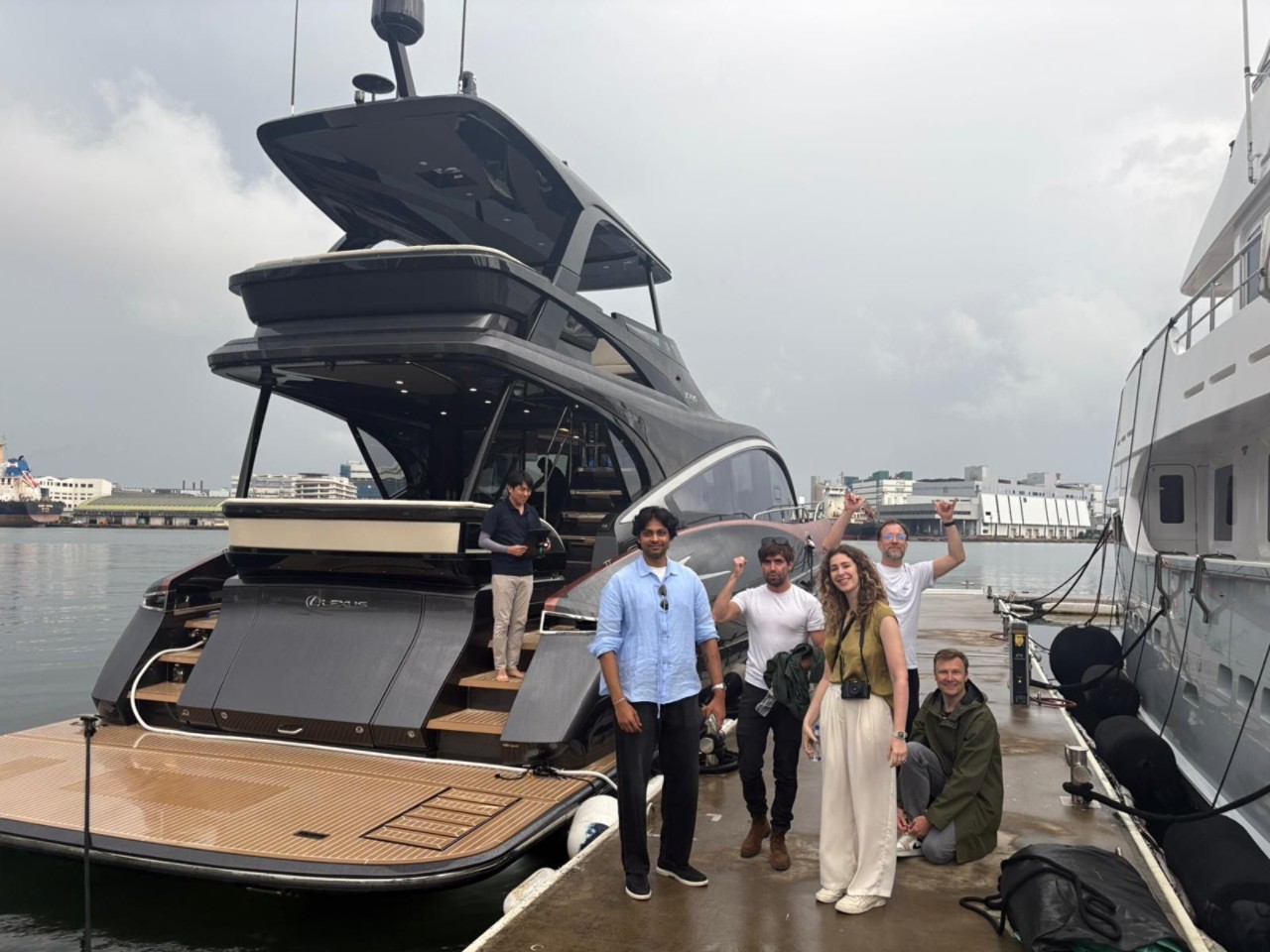

The first appearance of the sailing catamaran at JMS in Tokyo in 2024, followed by its presentation at Milano Salone 2025, was a statement of intent: to position Lexus as more than a brand that makes great cars, and to redefine what Lexus design could look like on the water.
The sailing catamaran also became the starting point for a new internal collaboration between several divisions within the Toyota and Lexus organisation: Toyota ED², VID at TMC, and the Toyota Marine Division.
When the decision was made to transform the sailing catamaran concept into a power catamaran, the project opened up to an international network of specialists. VPLP joined as the exterior naval architect, Aivan brought its expertise in high-end yacht design, and Horizon Shipyard in Taiwan builder of the current Lexus LY680 became responsible for bringing the vessel to life.
The business trip to Taiwan was the moment when the project became tangible for me and the wider team.
From an ED² perspective, we are typically involved in the more advanced phases of projects, contributing to concept vehicles, show cars and future vision studies. Being directly involved in the production development stage is therefore a relatively rare opportunity for us. Personally, it was an invaluable experience and a unique opportunity to grow as a designer.
The primary objective of the trip was to review the progress achieved through the digital development process and to assess both feasibility and ergonomics using a full-scale wooden mock-up. This traditional approach remains widely used in the yachting industry, allowing teams to validate layouts, proportions and user interactions before construction of the final vessel begins.
For me, the experience felt like stepping 10 to 15 years back in time, to an era when ED² was still building physical models in Turin. The process was highly analogue, hands-on and collaborative, with design modifications made directly on the model rather than through successive digital iterations.
There was something particularly authentic about the atmosphere at Horizon Yachts in Taiwan. The passion, craftsmanship and openness of the team reminded me of the close partnerships we once enjoyed with Italian prototype makers. It was a refreshing reminder that, even in an increasingly digital design process, there is still immense value in working physically, around a real object, and solving problems together.
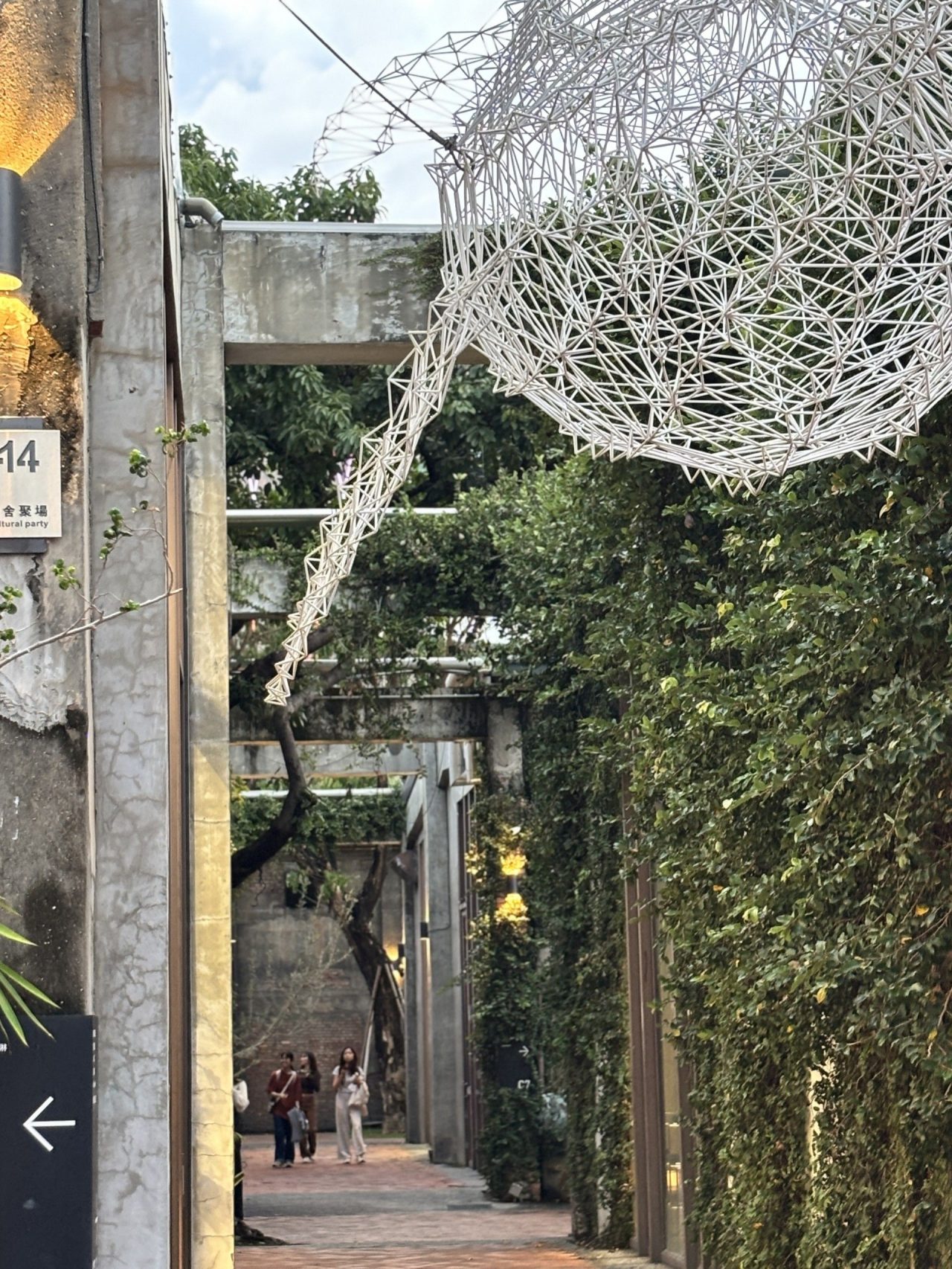
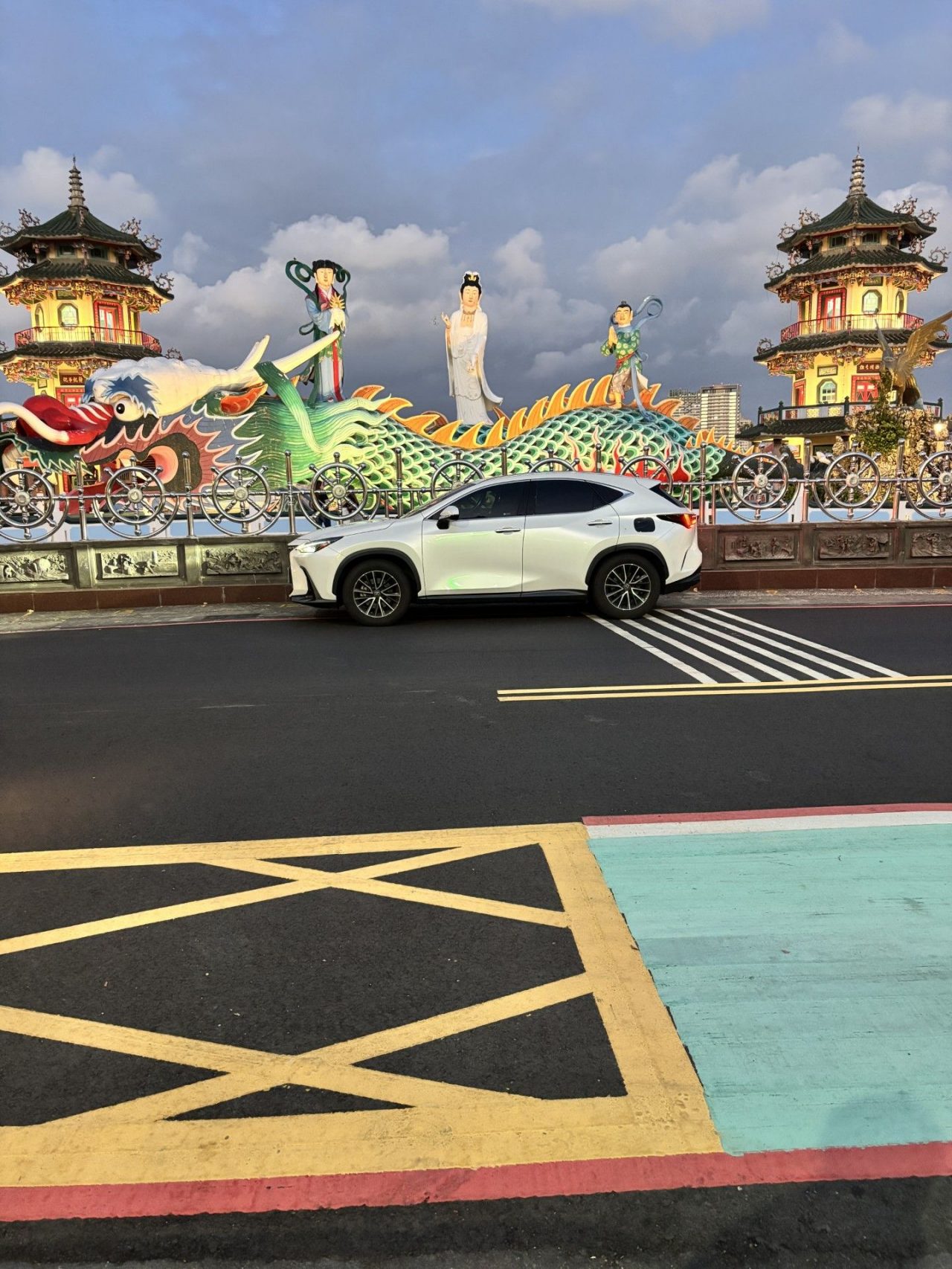
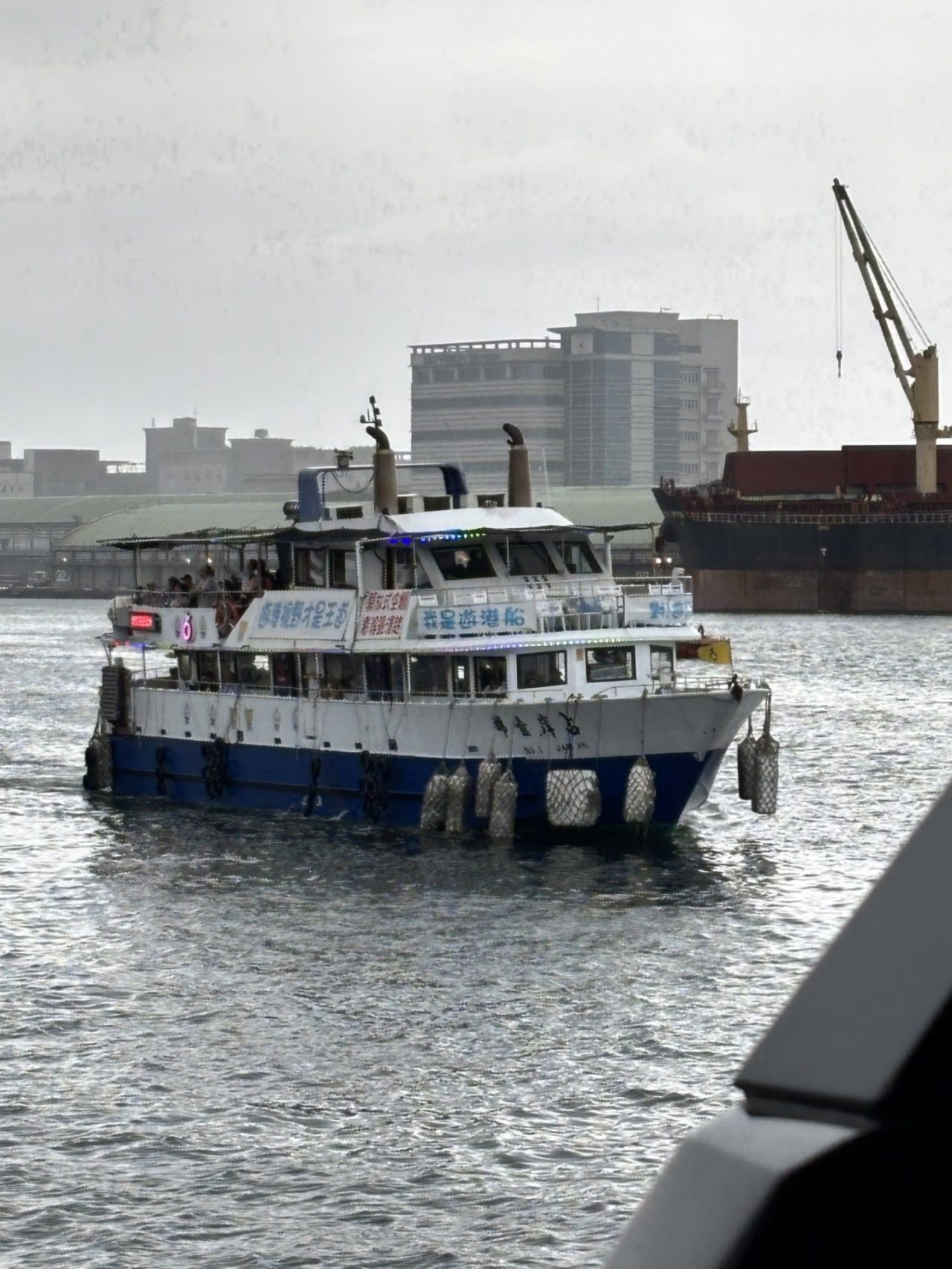
Our time in Taiwan also gave us the opportunity to experience different aspects of the country beyond the shipyard. We explored Taiwan’s own automotive landscape, including the local brand Luxgen, against the backdrop of the many Toyotas on the road.
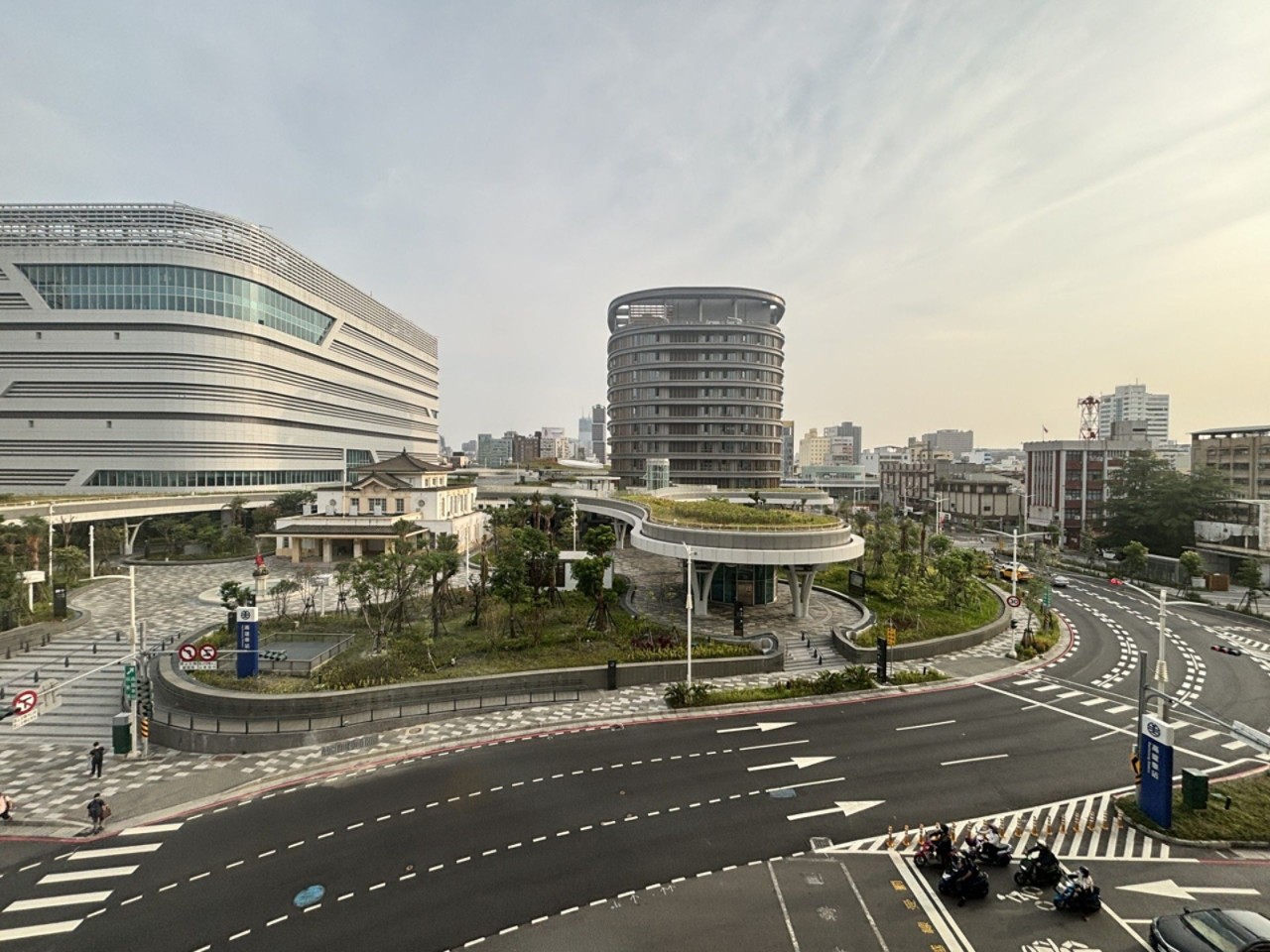
We also witnessed a fascinating transformation in mobility. As Taiwan has developed economically, its urban infrastructure has progressively shifted from being dominated by two-wheelers towards a more car-oriented environment. Seeing this evolution first-hand provided an interesting perspective on how mobility, infrastructure and economic development continuously shape one another.
Ultimately, the Taiwan trip was about much more than reviewing a physical model. It was an opportunity to experience a different design culture, to work across disciplines and continents, and to discover how an idea born within the Toyota and Lexus design world could gradually evolve into a real product through international collaboration.
国際的なチームワークの発見
2024年に東京で開催されたJMSでのセーリングカタマランの初公開、そして続く2025年のミラノ・サローネでの発表は、レクサスを「優れた自動車を製造するブランド」以上の存在として位置づけ、水上におけるレクサスのデザインの可能性を再定義するという、私たちの決意を示すものでした。
また、このセーリングカタマランは、トヨタおよびレクサス組織内の複数の部門――トヨタED²、TMCのVID、そしてトヨタマリン部門――による新たな社内コラボレーションの出発点ともなった。
セーリングカタマランのコンセプトをパワーカタマランへと転換する決定が下されると、このプロジェクトは国際的な専門家ネットワークへと門戸を開きました。VPLPが外装造船設計者として参画し、Aivanはハイエンドヨット設計の専門知識を提供し、現在のレクサスLY680を建造している台湾のホライゾン・シップヤードが、この船舶を現実のものとする役割を担いました。
台湾への出張は、私やチーム全体にとって、このプロジェクトが現実のものとして実感できた瞬間でした。
ED²の立場から言えば、私たちは通常、プロジェクトのより高度な段階に関与し、コンセプトカーやショーカー、未来ビジョン研究に貢献しています。そのため、生産開発段階に直接関与することは、私たちにとって比較的稀な機会です。個人的には、かけがえのない経験であり、デザイナーとして成長するためのまたとない機会となりました。
この出張の主な目的は、デジタル開発プロセスを通じて達成された進捗状況を確認し、実物大の木製モックアップを用いて実現可能性と人間工学の両面を評価することでした。この伝統的な手法はヨット業界で今も広く用いられており、最終的な船舶の建造が始まる前に、チームがレイアウト、プロポーション、ユーザーとのインタラクションを検証することを可能にしています。
私にとって、この体験はまるで10年から15年前にタイムスリップしたかのようでした。ED²がまだトリノで実物模型を製作していた時代へと戻った気分です。そのプロセスは極めてアナログで、実践的かつ協働的なものであり、設計変更はデジタルでの反復作業を経るのではなく、模型そのものに直接施されていました。
台湾のホライゾン・ヨット社の雰囲気には、特に本物らしさを感じました。チームの情熱、職人技、そしてオープンな姿勢は、かつて私たちがイタリアのプロトタイプ製作者たちと築いていた緊密なパートナーシップを思い出させました。設計プロセスがますますデジタル化が進む中でも、実物を取り囲んで物理的に作業し、共に問題を解決することには依然として計り知れない価値があるということを、改めて実感させてくれる、清々しい体験でした。
台湾での滞在は、造船所以外でもこの国のさまざまな側面を体験する機会となりました。道路を走る多くのトヨタ車を背景に、現地ブランド「Luxgen」を含む台湾独自の自動車業界の様子を探りました。
また、モビリティにおける興味深い変容も目の当たりにしました。台湾の経済発展に伴い、都市のインフラは二輪車が主流だった状態から、次第に自動車中心の環境へと移行しています。この変遷を直接目にすることで、モビリティ、インフラ、経済発展がいかにして互いに影響し合い、絶えず形作られているかについて、興味深い視点を得ることができました。
結局のところ、今回の台湾訪問は、単なる実物モデルの検討にとどまらないものでした。異なるデザイン文化を体験し、分野や大陸を越えて協働し、トヨタとレクサスのデザインの世界で生まれたアイデアが、国際的な協業を通じてどのようにして徐々に実際の製品へと進化していくのかを発見する機会となったのです。