DESIGN
Harmans' studio in Nagoya
On March 13, alongside the Interior Summit, the Interior Team was invited to visit Harman’s studio in Nagoya. Widely recognized for its successful domestic products and portfolio of renowned brands, Harman is also actively expanding its expertise into the automotive sector. The purpose of the visit was to gain a deeper understanding of the company’s work and to discover three interior-focused concepts developed by the team.
The day began with an introduction to the different typologies of audio tuning and their impact on the in-car experience. Yann Lecoeur, Acoustic Engineer, and Frédéric Dandault, Product Development Lead, presented the principles behind sound optimization, explaining how speaker placement and distribution throughout the cabin influence acoustic performance and vibration quality.
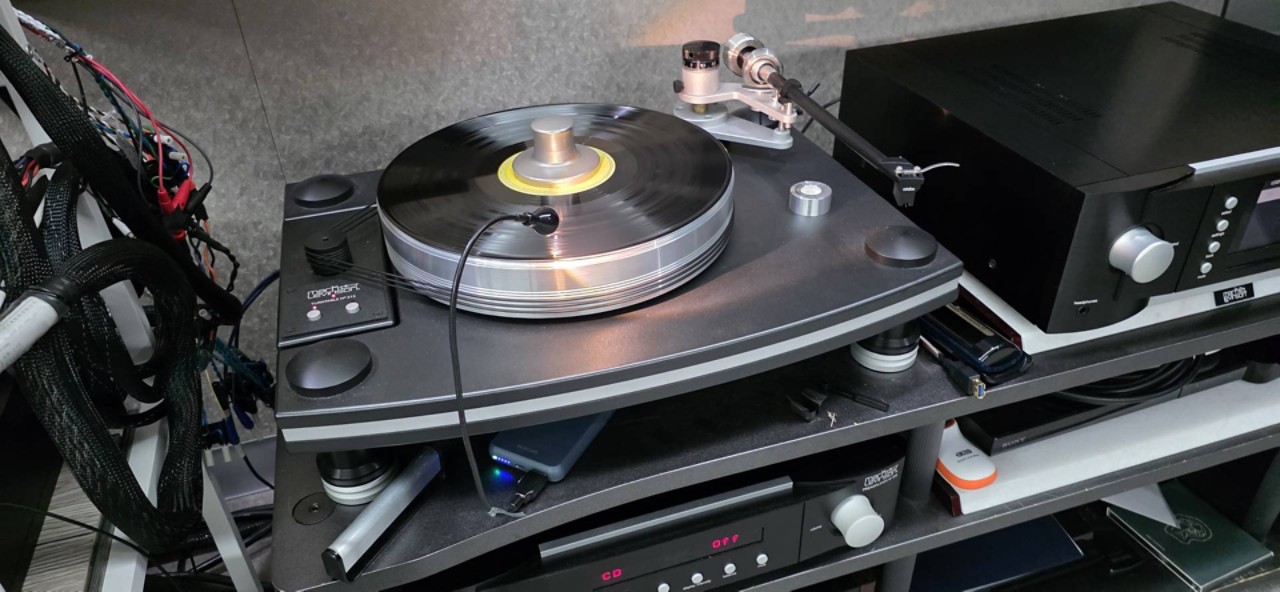
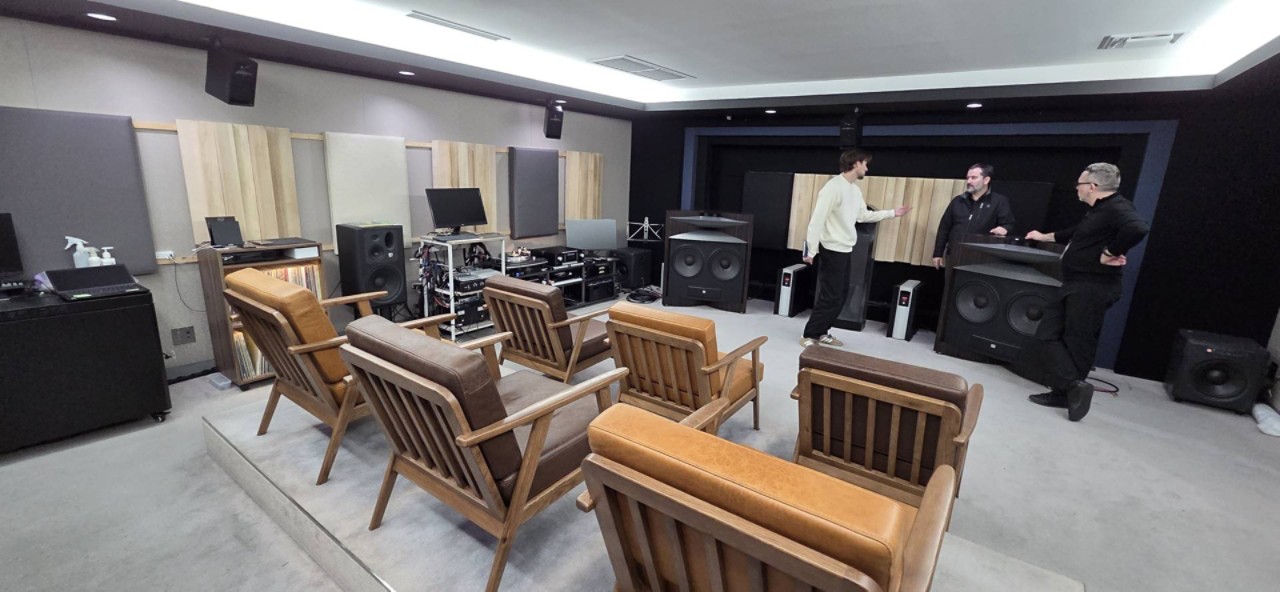
Following the presentation, we were invited into the listening room for an immersive demonstration of some of Harman’s most prestigious audiophile products, including the JBL Everest speakers paired with Mark Levinson amplifiers. In just ten minutes, we travelled across the full spectrum of audible frequencies and gained a tangible understanding of what “pure sound” means to acoustic engineers.
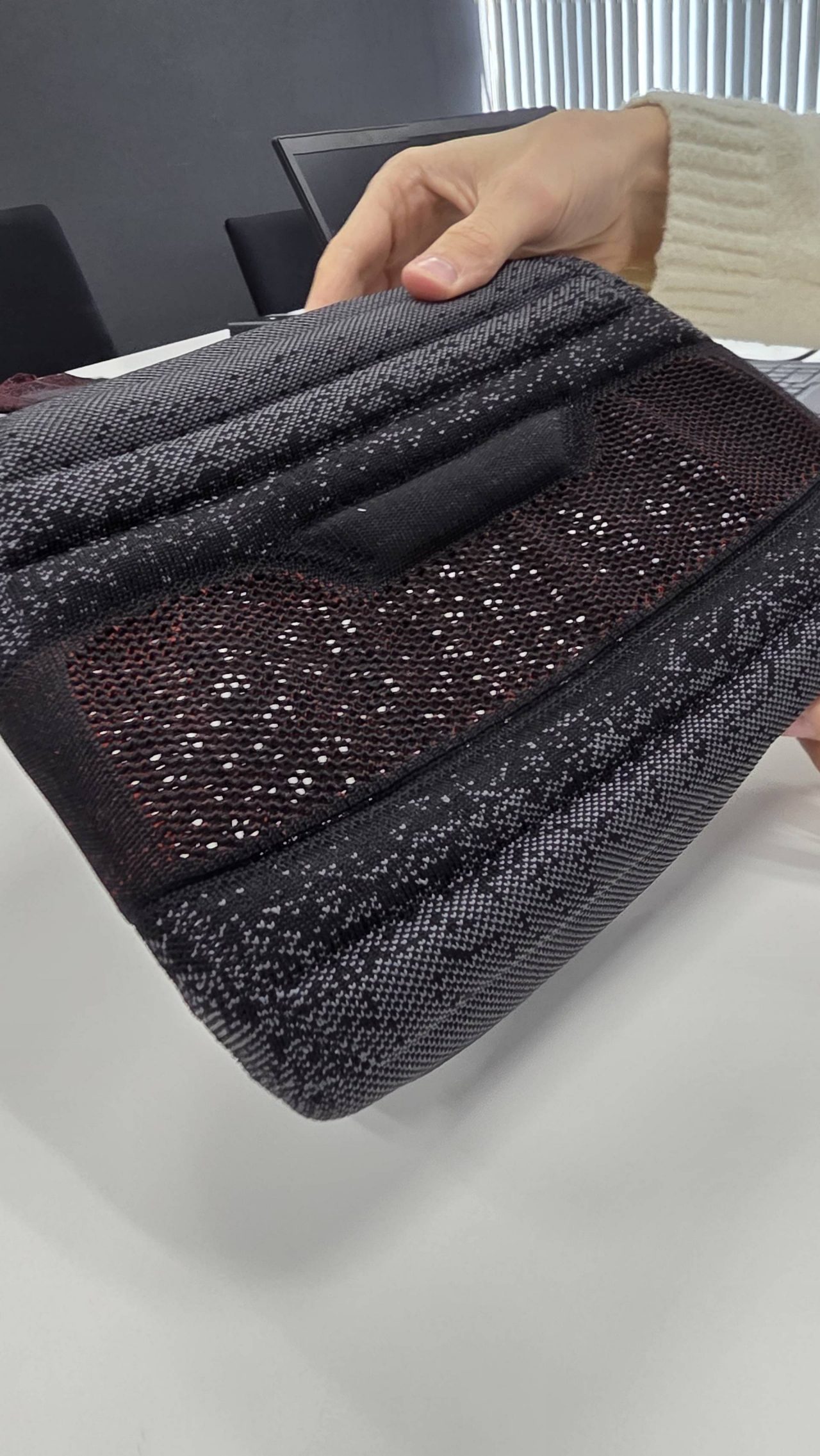
This experience naturally led to the first automotive application: the LS demonstration vehicle. Designed to deliver the ultimate in-car audio experience through Mark Levinson technology, the project required Harman to rethink parts of the vehicle’s architecture to optimize acoustic resonance and overall user experience. The team also introduced knitted materials to create a seamless transition between soft interior surfaces and speaker-integrated areas.
Equipped with no fewer than 20 speakers, the cabin delivers a truly immersive Dolby Digital experience. The centre console was subtly redesigned around what could be described as the audio system’s anthem piece: a physical control knob that triggers interface animations and menu selections, reinforcing the tactile connection between user and technology.
3月13日、「インテリア・サミット」の開催に合わせ、インテリアチームがハーマンの名古屋スタジオを訪れました。ハーマンは、優れた国内製品と数々の有名ブランドを擁することで広く知られていますが、その専門知識を自動車分野でも積極的に展開しています。今回の訪問目的は、同社の取り組みをより深く理解するとともに、同社のチームが開発した3つのインテリアコンセプトを視察することでした。
まず最初に、オーディオチューニングのさまざまなタイプと、それらの車内体験に与える影響についての説明がありました。音響エンジニアのヤン・ルクール氏と製品開発リーダーのフレデリック・ダンドー氏が、サウンド最適化の原理に関するプレゼンテーションを行い、キャビン内のスピーカーの配置が音響性能や振動の質にどのように影響するかを解説しました。
プレゼンテーションの後、私たちは試聴室に招かれ、JBLの「エベレスト」スピーカーとマーク・レビンソンのアンプを組み合わせたものなど、ハーマンの最高級オーディオファイル向け製品の没入感あふれるデモンストレーションを体験しました。わずか10分間で可聴周波数の全帯域を巡り、音響エンジニアにとって「ピュアサウンド」とは何かを肌で感じることができました。
この体験は、自動車への最初の応用例である「LS」コンセプト(デモカー?)へとつながりました。マーク・レビンソンの技術による究極の車内オーディオ体験を目的とするこのプロジェクトでは、音響共鳴と全体的なユーザー体験の最適化のために、ハーマンによる車両構造パーツの見直しが必要でした。また、柔らかな内装表面とスピーカーを組み込んだエリアとのつなぎを滑らかにするため、ニット素材が使われました。
約20個ものスピーカーを装備した車内では、没入感あふれるドルビーデジタル体験が味わえます。センターコンソールを見ると、オーディオシステムの象徴とも言えるコントロールノブの周囲が、さりげなく再設計されています。インターフェースのアニメーションやメニュー選択を起動するこのノブは、ユーザーとテクノロジーを触覚的につなげる重要な役割を果たしています。
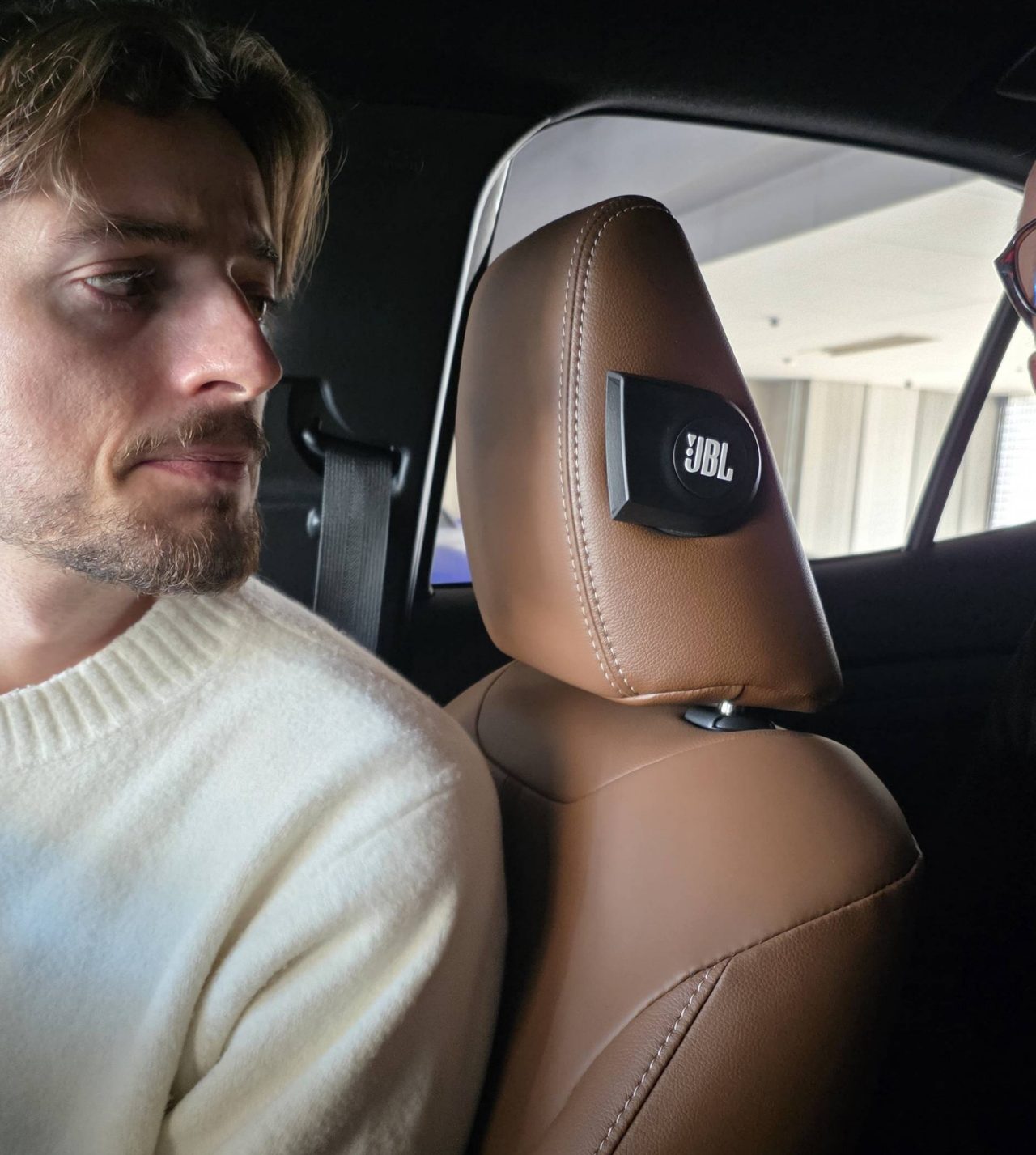
Harman’s second concept addresses a challenge familiar to anyone who has travelled in a large vehicle: communication between occupants. Speaking to the driver from the third row often requires raising your voice just to be heard. Harman’s solution intelligently detects occupants’ voices and automatically lowers media volume whenever someone speaks. Thanks to a network of microphones and speakers positioned near each seat and headrest, conversations feel effortless, natural, and remarkably smooth.
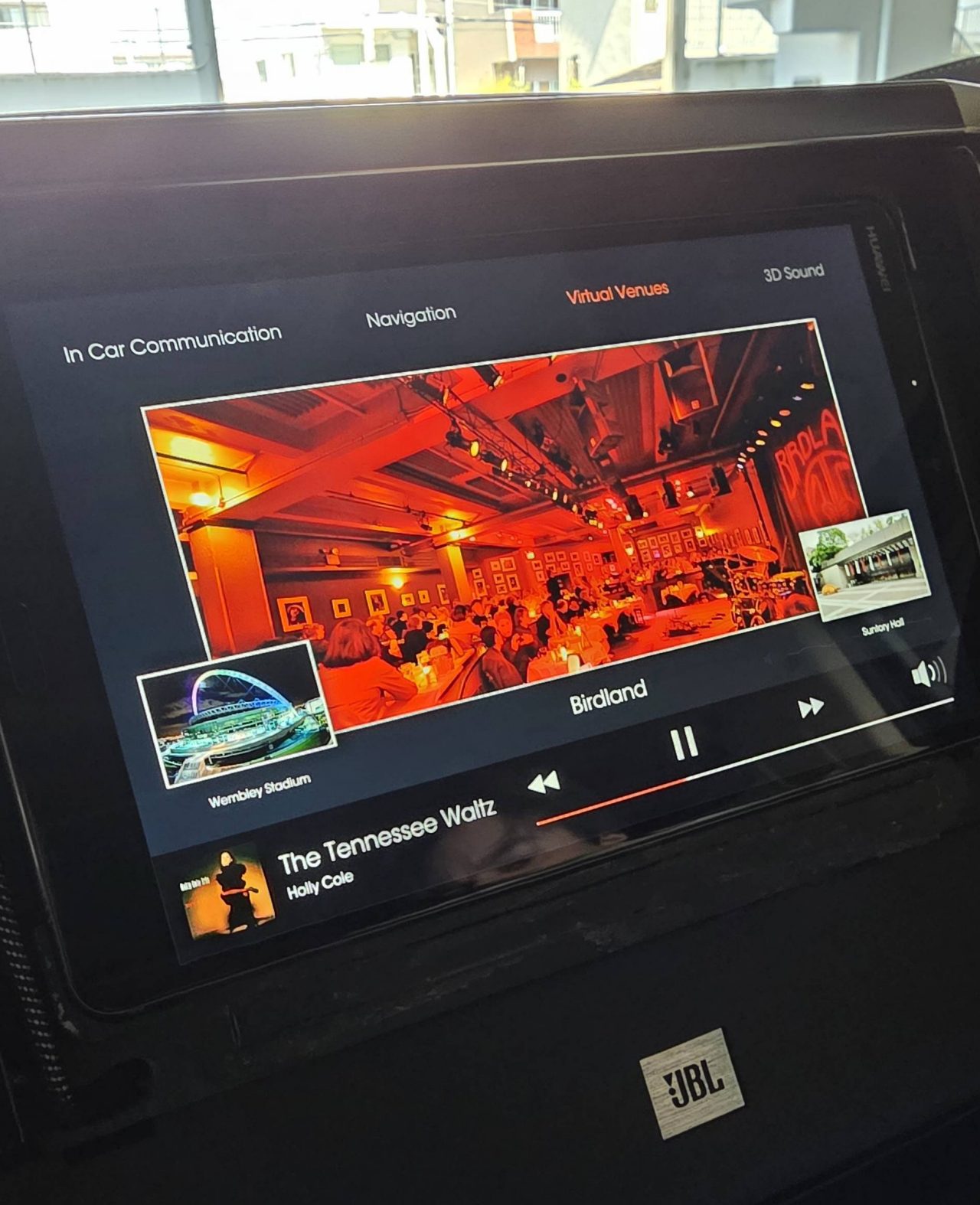
The concept’s most surprising feature, however, was its ability to recreate the acoustics of a live performance venue. By simulating different stage environments, the system adds a new layer of immersion to every song. While some may initially see it as a novelty, it quickly proves its value—especially during long journeys where entertainment becomes part of the travel experience itself.
Sound and interface design are rapidly emerging as a new playground for automotive designers. As vehicle architectures become increasingly optimized and more difficult to differentiate through conventional means, the sound experience is becoming a defining element of premium and luxury vehicles. The intangible nature of sound has the power to reshape architecture, inspire new forms of ornamentation, and unlock fresh opportunities for storytelling.
Our exploration of Harman’s vision is only beginning. It will continue with a visit to Bang & Olufsen’s headquarters in May 2026, where we will further investigate the evolving relationship between sound, design, and the future of mobility.
ハーマンの2つ目のコンセプトは、大型車両に乗ったことのある人なら誰もが経験する、乗員間コミュニケーションの課題に取り組んだものです。3列目の座席からドライバーに話しかける際、声を張り上げなければ聞こえないことがよくあります。それに対するハーマンのソリューションは、乗員の声を検知し、誰かが話しかけると自動的にメディアの音量を下げるシステムです。各座席とヘッドレスト付近に配置されたマイクとスピーカーのネットワークにより、自然に楽に、そして驚くほどスムーズに会話することができます。
しかしこのコンセプトカー(コンセプト?)の最も驚くべき特徴は、ライブパフォーマンスの音響再現能力です。さまざまなステージ環境のシミュレーションが、あらゆる曲に新たな没入感を生み出します。初めは単なる目新しさと捉える人もいるでしょう。しかしその真価は、特にエンターテインメントが旅体験の一部となる長距離移動などで大いに発揮されるのです。
サウンドとインターフェースのデザインは、急速にカーデザイナーの新たな活躍の場となりつつあります。車両アーキテクチャの最適化が進み、従来手法では差別化が難しくなる中、サウンド体験はプレミアム車や高級車を特徴づける決定的要素となりつつあります。音の無形性には、アーキテクチャを再構築し、新しい装飾様式を生み出し、新たなストーリーテリングの可能性を切り拓く力があります。
ハーマンのビジョンへの探求は、まだ始まったばかりです。2026年5月にはバング&オルフセンの本社を訪問し、音、デザイン、モビリティの未来の相互関係の進化をさらに深く掘り下げていきます。